


Regency Mahogany Drawer Unit
These regency mahogany drawer unit pieces are sturdy chests and cabinets built from rich timber, offering timeless storage for any traditional interior.
Regency Mahogany Drawer Unit
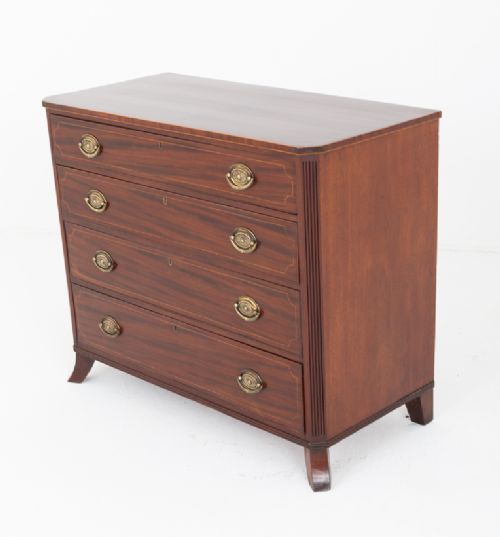
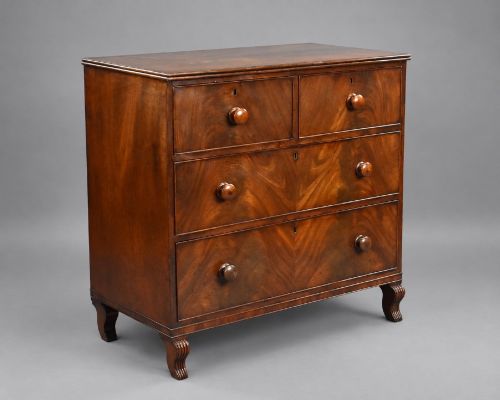
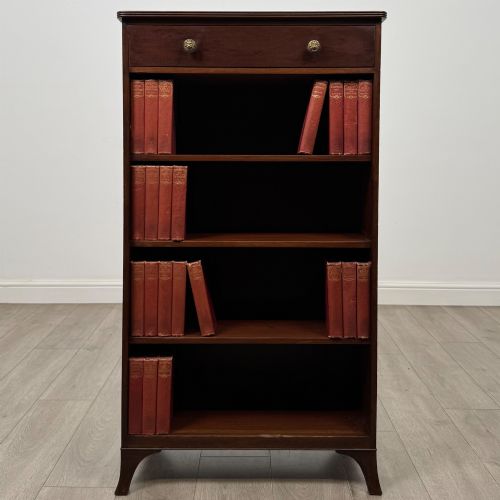
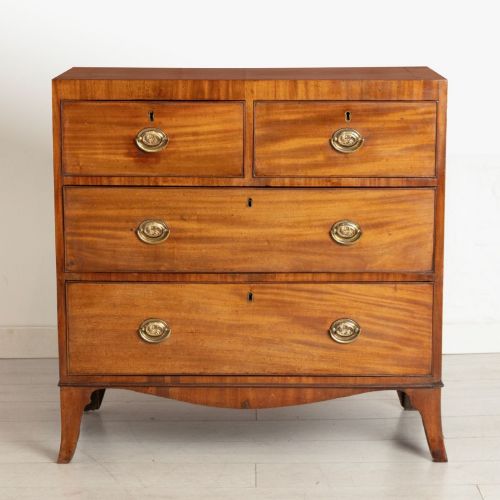
When you search for a regency mahogany drawer unit, you encounter solid chests of drawers, bookcases, and multi-tiered whatnots originating from the Regency period, the Georgian era, and later Victorian revivals. The most common form on this page is the classic chest of drawers featuring multiple graduated tiers for storage.
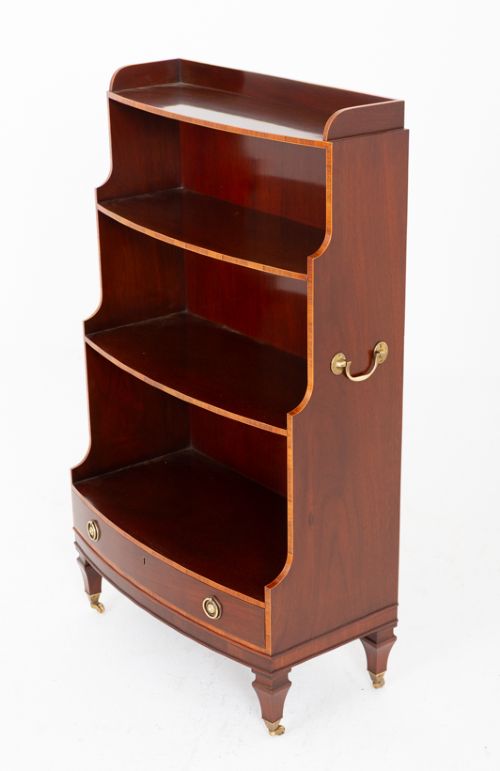
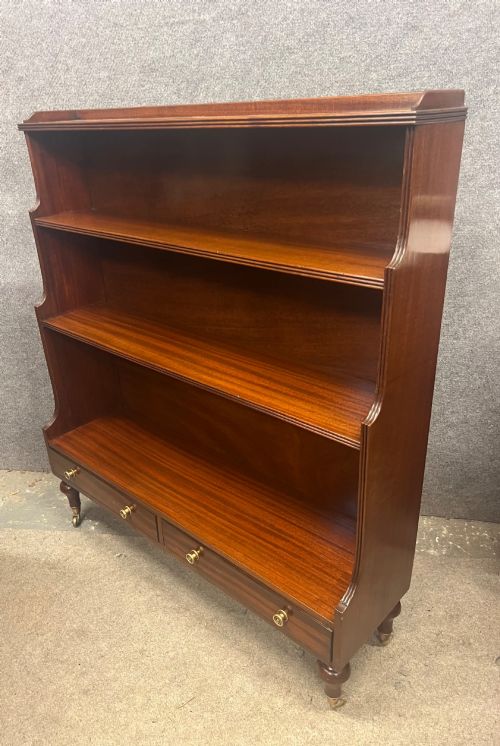
Beyond standard chests, the selection includes open waterfall bookcases, etageres, and freestanding display stands incorporating specialised compartments like cellarettes. These items reflect the functional domestic requirements of nineteenth-century interiors, blending display capability with concealed storage.
The periods represented span from George III and George IV through to later twentieth-century interpretations built in the Regency style. Buyers often find pieces labelled simply as nineteenth century, reflecting the broad span of traditional cabinet making.
What varies in quality
Quality in these pieces is dictated by the selection of timber figures, such as the richness of flame mahogany veneer, and the crispness of any inlay work. Finer examples display carefully matched grain patterns across multiple drawer fronts.
The refinement of structural elements, including the weight of brass hardware and the neatness of dovetail joinery within the drawers, separates standard production items from superior cabinet work.
Charles William Schofield signed a collectors cabinet in July 1827, leaving a neat temporal anchor inside the wood.
Charles William Schofield
The Regency Mahogany Drawer Unit Glossary
- Flame mahogany
- A veneer cut from timber where the branch meets the trunk, producing a distinctive flame-like pattern. This figured wood was prized by cabinet makers for principal surfaces.
- Whatnot
- A set of open shelves used for displaying ornaments and books. These freestanding stands typically feature three or more tiers supported by slender uprights.
- Etagere
- A small set of decorative shelves designed for holding ornaments or small objects. They share similarities with whatnots but often lean towards lighter, more decorative display functions.
- Cellarette
- A fitted container or cabinet used for storing bottles of wine or spirits. In nineteenth-century furniture, these are occasionally integrated into larger stands or whatnots.
- Satinwood
- A luminous hardwood with a yellowish sheen used for contrasting stringing and inlay. It provides sharp visual definition against darker mahogany surfaces.
Regency Mahogany Drawer Unit: Frequently Asked Questions
How do I identify a genuine Regency chest of drawers?
Authentic pieces from the Regency era typically display hand-cut dovetails, secondary timbers consistent with the period, and proportions characteristic of early nineteenth-century design.
Examination of the backboards and drawer linings often reveals the age of the timber and the methods used by period cabinet makers.
What is the difference between a whatnot and a bookcase?
A whatnot is primarily an open tiered stand designed for displaying decorative objects rather than housing a large volume of books. Bookcases feature enclosed shelving built specifically for book storage.
Many pieces listed under this search combine open shelving with lower drawers or cabinets to serve dual purposes.
Where should I place a mahogany drawer unit in my home?
These versatile timber units suit hallways, studies, and reception rooms where traditional storage or display space is required. Their compact footprints allow them to fit into narrow alcoves.
Keep wooden furniture away from direct heat sources and strong sunlight to protect the polish and prevent the mahogany veneer from drying out.
How should I clean antique mahogany furniture?
Maintain the surface by dusting with a soft, dry cloth and applying natural beeswax periodically to nourish the timber. Avoid using modern silicone sprays or abrasive cleaning products.
Consistent care preserves the polished finish and deepens the natural patina developed by the mahogany over generations.