


Regency Lady Painting
A regency lady painting captures the poised elegance and refined style of the period, offering collectors intimate portraits rendered in oil, watercolour, and delicate silhouette.
Regency Lady Painting
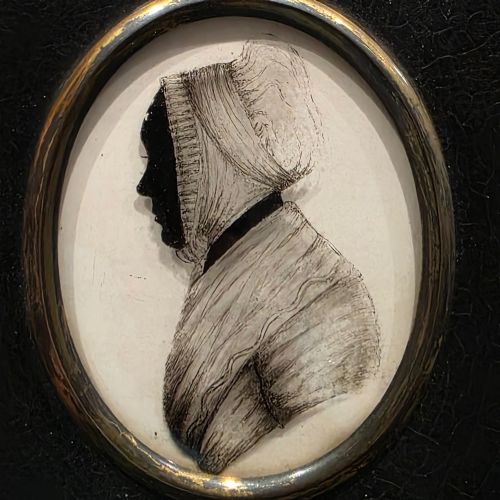
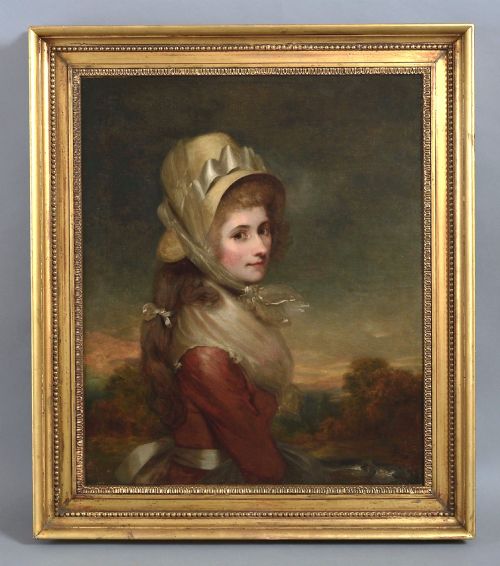
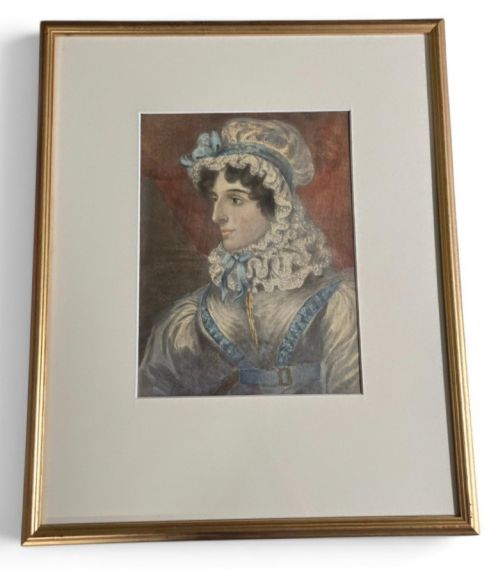
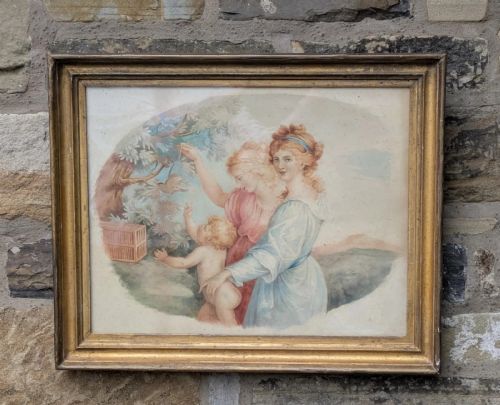
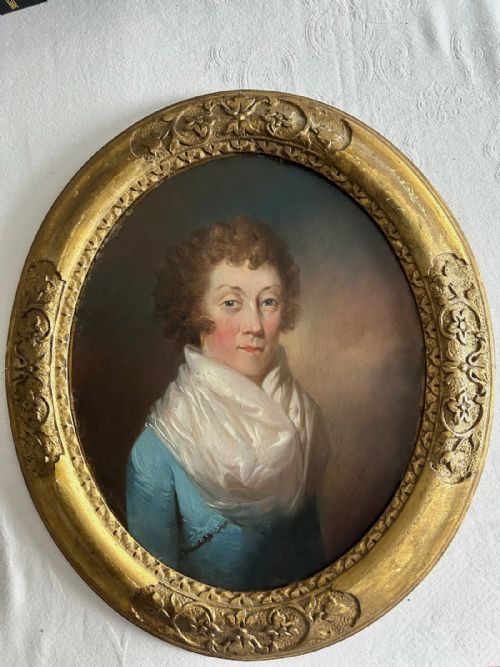
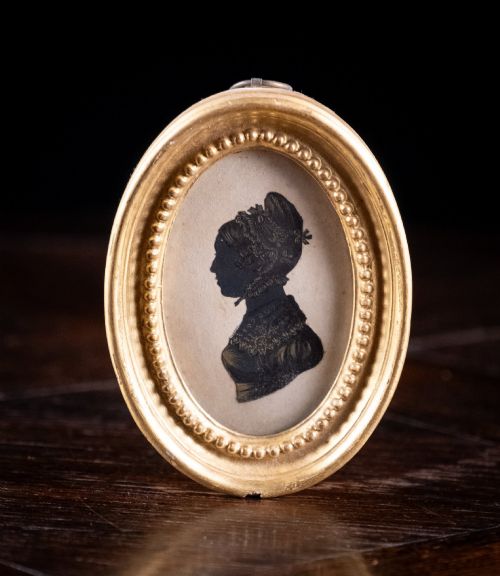
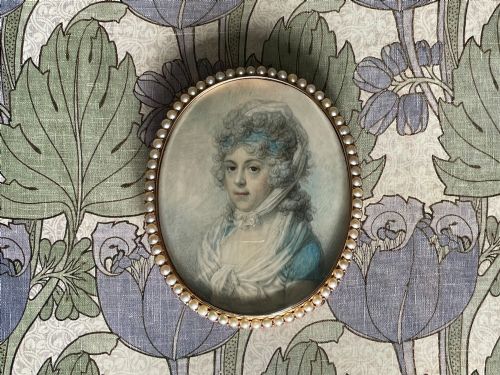
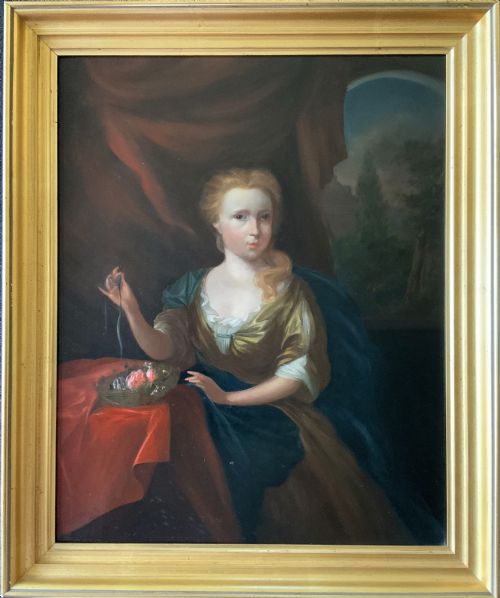
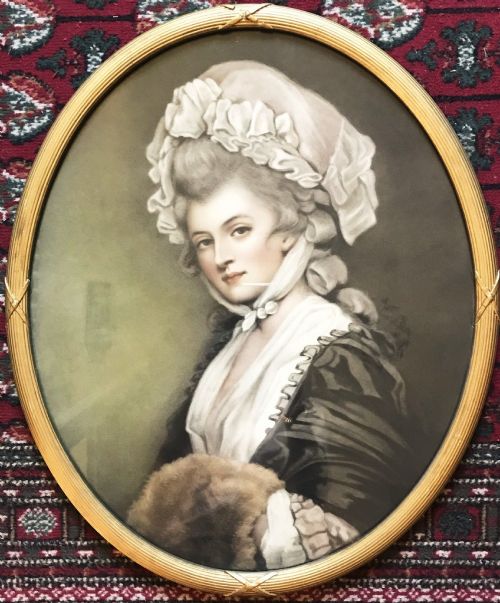
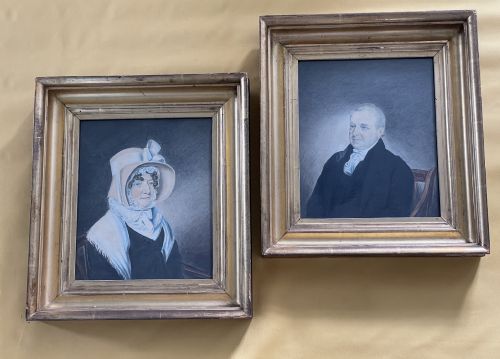
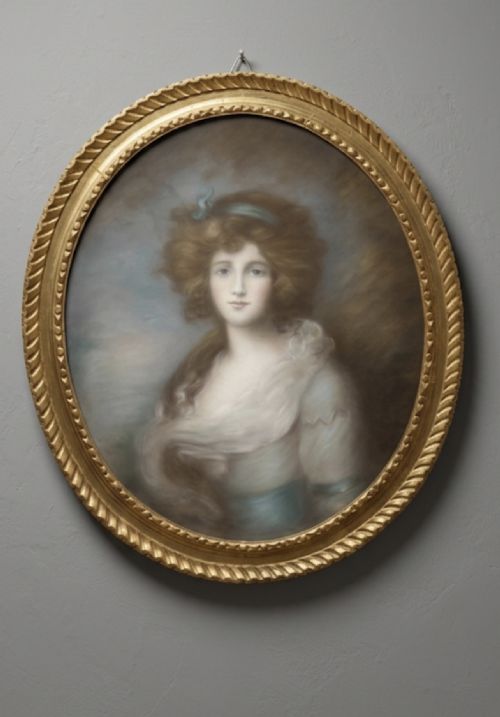
A buyer seeking a regency lady painting encounters a diverse selection of portraiture spanning the Georgian, Regency, and early Victorian eras. These works capture female subjects through various artistic mediums including oil on canvas, delicate watercolour, pastel, gouache, and reverse-painted silhouettes.
The pieces appearing most frequently range from intimate portrait miniatures framed in rosewood or giltwood to larger oil paintings and classical watercolour studies. Portraits frequently depict named subjects such as Mrs Grace Williams or Miss Godfrey, alongside elegant anonymous sitters adorned in period attire.
Originating predominantly from the late eighteenth and early nineteenth centuries, these artworks reflect the neoclassical aesthetic and romantic sensibilities of English art. Collectors find works by listed artists alongside pieces produced by the wider English school of the period.
Materials and Methods
Techniques varied from meticulous miniature painting requiring fine brushes to expressive pastel strokes and reverse painting on glass for silhouettes. Original glazed housings and rosewood frames often preserve these fragile surfaces.
Among the elegant ladies and nobility, one charming entry preserves the likeness of a hound dog named Lady alongside her litter.
Markers of Quality
Quality in these portraits rests upon the precision of the facial likeness, the delicacy of brushwork in details such as silk dresses and ringlets, and the preservation of the original medium. Works attributed to established portraitists demonstrate superior draughtsmanship compared to anonymous school pieces.
The survival of original framing, whether rosewood, maple, or gilded wood, contributes significantly to the integrity of the piece. Clarity in watercolours and stable pigment adherence in oil portraits distinguish finer examples.
Sir Martin Archer Shee·Richard Cosway·Nicolas Freese·Samuel Raven·John Raphael Smith·Archibald Skirving·Thomas Woolnoth·William Grimaldi·Henry Jacob Burch
The Regency Lady Painting Glossary
- Portrait Miniature
- A small, highly detailed painting, often executed on ivory, vellum, or paper during the eighteenth and nineteenth centuries. These intimate works were frequently worn as jewellery or kept in protective cases.
- Silhouette
- A portrait profile filled in with a solid dark colour, typically black, against a pale background. Examples from this era sometimes include delicate gold highlights on glass or paper.
- Giltwood
- Wood that has been coated with a thin layer of gold leaf or gesso preparation. Frames of this material are commonly found housing period paintings and miniatures.
- Gouache
- An opaque watercolour paint consisting of pigment mixed with a water-binding agent and a filler. Artists utilised this medium to achieve flat, matte areas of colour in portrait studies.
Regency Lady Painting: Frequently Asked Questions
What periods do these paintings cover?
The listings encompass works primarily from the late eighteenth century through the Regency era and into the mid-nineteenth century, including Georgian and William IV periods.
Dates span from the 1790s through the 1830s, reflecting the artistic styles prevailing during those decades.
How were portrait miniatures displayed?
Portrait miniatures were commonly housed in small, protective cases, hung on walls within enclosed wooden frames, or sometimes worn on the person as brooches and lockets.
Their intimate scale allowed sitters to carry likenesses of family members during travel.
What materials are typical for the frames?
Frames frequently incorporate giltwood, rosewood, maple, and brass fittings to complement the artwork. Many retain their original glazed frontages designed to protect delicate watercolours and paper surfaces.
Substantial oil paintings often utilise heavy gilded wooden frames characteristic of the nineteenth century.
How do you distinguish watercolours from oil paintings?
Watercolour paintings utilise paper or ivory supports under glass, displaying a translucent quality and delicate application of pigment. Oil paintings are executed on canvas or panel surfaces with heavier texture and visible brush relief.
Pastels and gouache offer intermediate visual textures between these two primary formats.