
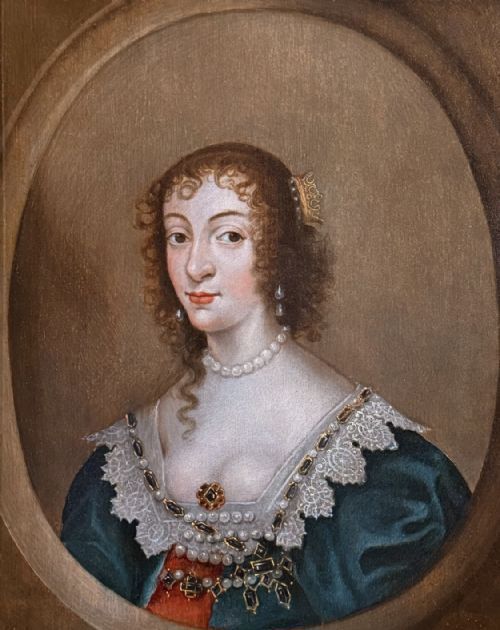
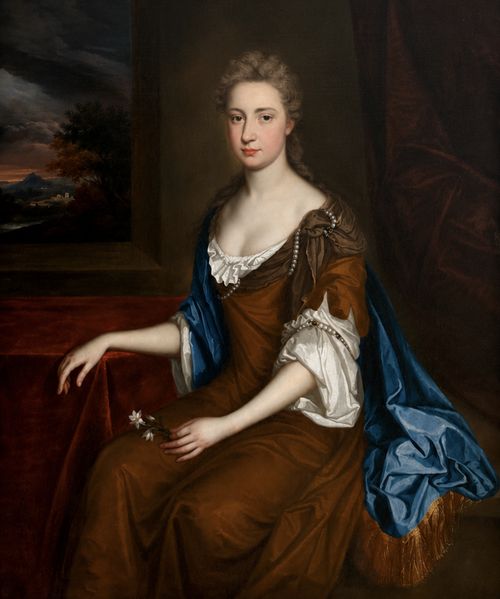
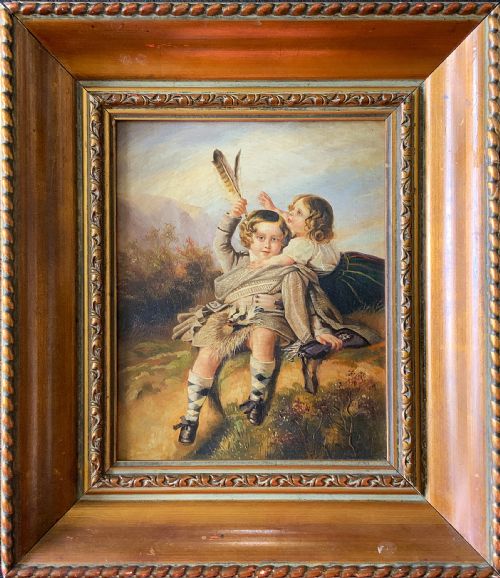


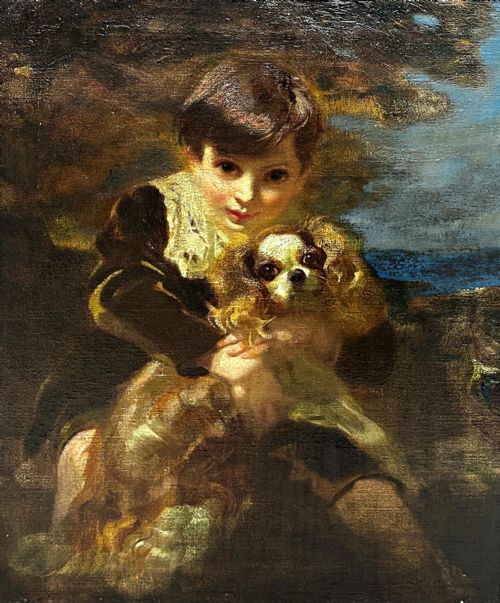


Brown Dress Portrait Painting
These brown dress portrait painting examples capture sitters across centuries through oils, watercolours, and pastels on canvas, wood, and paper.
Brown Dress Portrait Painting
A brown dress portrait painting records the likeness of historical figures, family members, and royalty rendered in various sartorial choices ranging from formal gowns to military attire and Scottish dress. These artworks span from the seventeenth century through to the mid-twentieth century, showing shifts in portraiture conventions across Georgian, Victorian, and Edwardian periods.
The assortment includes works executed in oil paint on canvas and wood panels alongside delicate watercolours and pastels on paper. Collectors encounter pieces originating from specific named artists as well as works attributed to various European schools and studio circles.
Domestic settings, royal commissions, and informal studies all appear within these listings, demonstrating the broad social scope captured by period portraiture. The execution varies from intimate sketches of children to grand depictions of nobility.
Materials and technique
Artists built these compositions primarily using oil paint applied to stretched canvas or prepared wood panels, allowing for rich colour layering and subtle tonal gradation. Watercolours and pastels on paper offered a swifter medium for capturing likenesses with immediacy and delicate pigment dispersion.
The listings on this page span from the seventeenth century through to the mid-twentieth century, utilising canvas, wood, paper, glass, and oil paint.
Distinctions in execution
The competence of the hand behind the brush determines the depth of characterisation, anatomical proportion, and the convincing rendering of textiles such as the characteristic brown dresses. Superior works display confident handling of light and shadow on drapery, whereas lesser examples rely on formulaic repetition.
Provenance and attribution to documented painters elevate a piece beyond standard decorative portraiture. The integration of original framing and well-documented subject identities further separates standard archival records from exceptional historical documents.
Georges Goursat·Helena Maguire·Frank Owen Salisbury·Sonia Mervyn·Kershaw Schofield·John Irvine·Francis Alleyne·Philip Mercier·Eden Upton Eddis·George Clint·John Raphael Smith
The Brown Dress Portrait Painting Glossary
- Oil on canvas
- A painting technique utilising pigment suspended in a drying oil medium applied to a woven fabric support. This combination allowed artists to blend colours smoothly and achieve rich luminosity.
- Panel painting
- A flat piece of wood used as a rigid structural support for oil or tempera pigments. Panels were particularly common in earlier periods before canvas became the dominant support.
- Watercolour
- A painting method where pigment is suspended in a water-soluble vehicle, typically applied to paper. It yields translucent washes of colour that rely on the reflective quality of the white paper beneath.
- Pastel
- A dry art medium in the form of a stick, consisting of powdered pigment and a binder. Pastels produce velvety surfaces with direct, unmixed colour application.
- Attributed to
- A term applied by experts when a work shows strong stylistic similarities to a known master but lacks definitive documentation or signature confirming direct authorship.
Brown Dress Portrait Painting: Frequently Asked Questions
How do I date a portrait painting?
Dating relies on stylistic clues, including the cut and colour of the clothing, hairstyles, and framing techniques. Documentation on the reverse of the canvas or historical records of the sitter often provide precise chronological anchors.
Material analysis of the canvas, wood panel, and pigments can also corroborate the period of execution. Comparing the brushwork to authenticated works from the same era helps narrow down the decade.
What subjects appear in these portraits?
The sitters range from aristocracy and military officers to children, family members, and literary figures. Many wear specific garments such as clerical dress, military uniforms, or regional Scottish attire.
Some works depict historical or theatrical characters rather than private individuals. This variety reflects the changing social functions of portraiture over several centuries.
How should I care for antique paintings?
Keep painted canvases and panels away from direct sunlight, high humidity, and rapid temperature fluctuations. Environmental stability prevents the wood, canvas, and paint layers from warping, cracking, or lifting.
Dust surfaces gently with a soft, dry brush without applying pressure. Avoid using commercial cleaning liquids or water on the painted surface.
What is the difference between oil and watercolour?
Oil paint utilises a slow-drying oil binder that allows for rich blending, deep tones, and heavy impasto textures on canvas or wood. Watercolour employs a water-soluble medium on paper, producing lighter, translucent washes.
Watercolours require framing under glass to protect the paper and pigments from moisture and atmospheric pollutants. Oil paintings are typically displayed unglazed, allowing the textured surface of the paint to remain visible.