




Regency Hanging Mirror
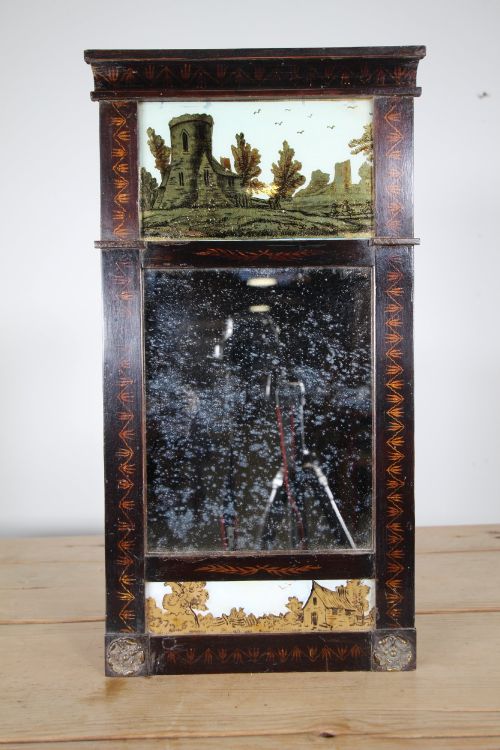
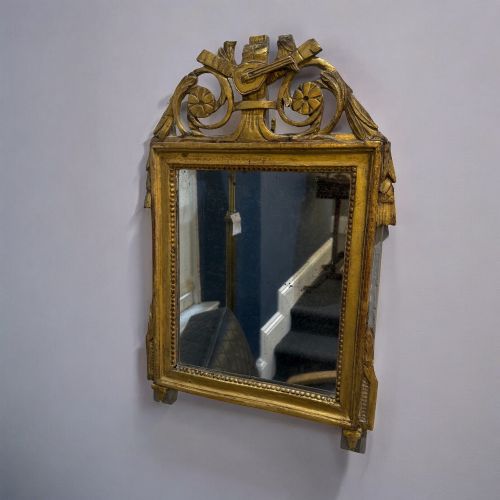
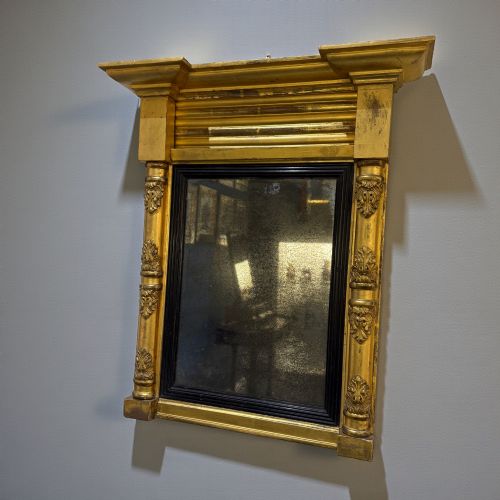
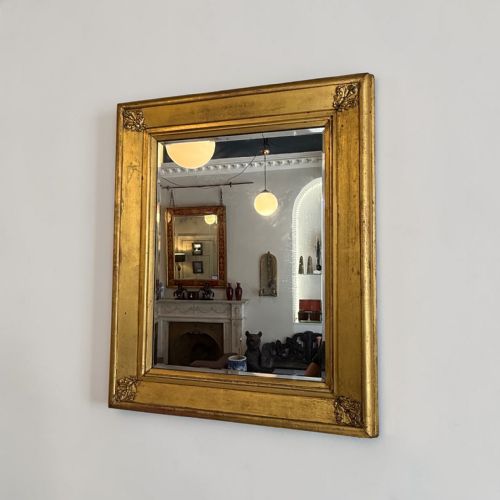
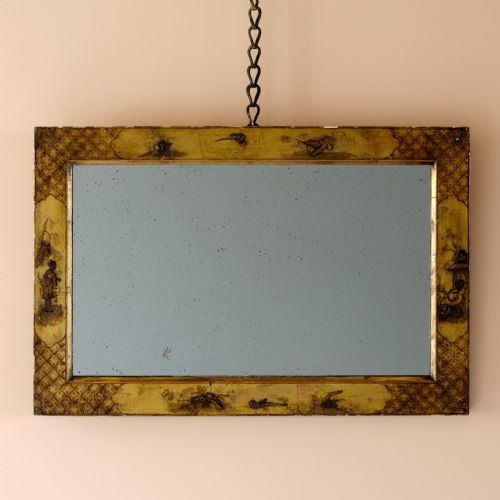
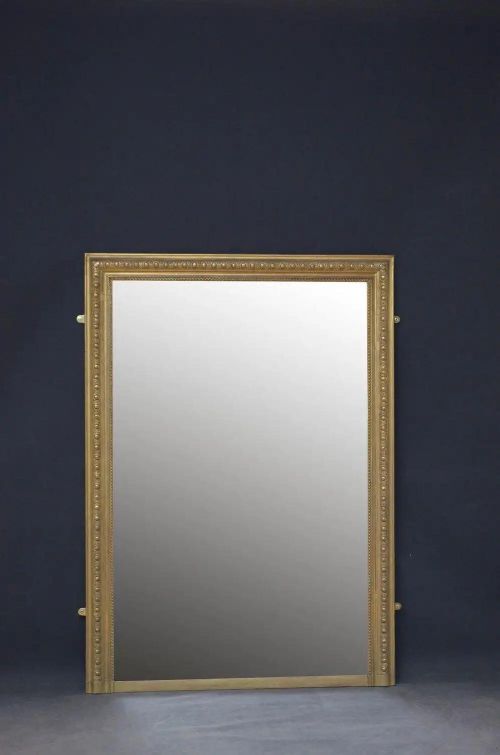
A regency hanging mirror brings brilliant light and classical proportion into a room, framed in rich giltwood or dark exotic timbers.
Regency Hanging Mirror
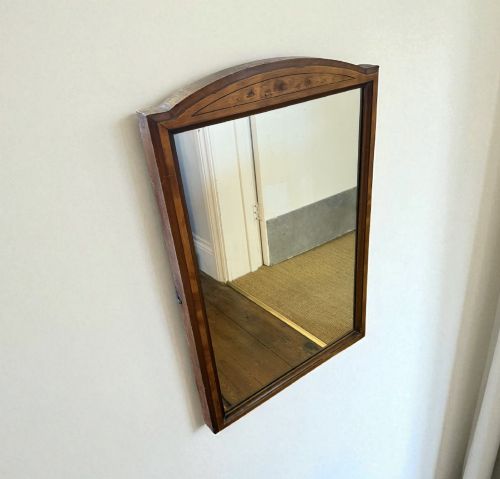
When you search for a regency hanging mirror, you find wall mirrors spanning the nineteenth century alongside later revivals, designed to hang in principal rooms and halls.
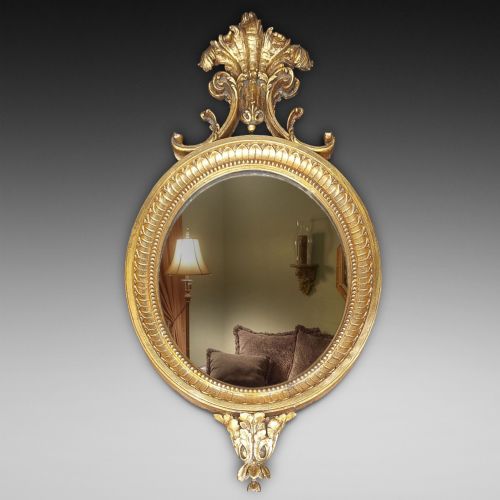
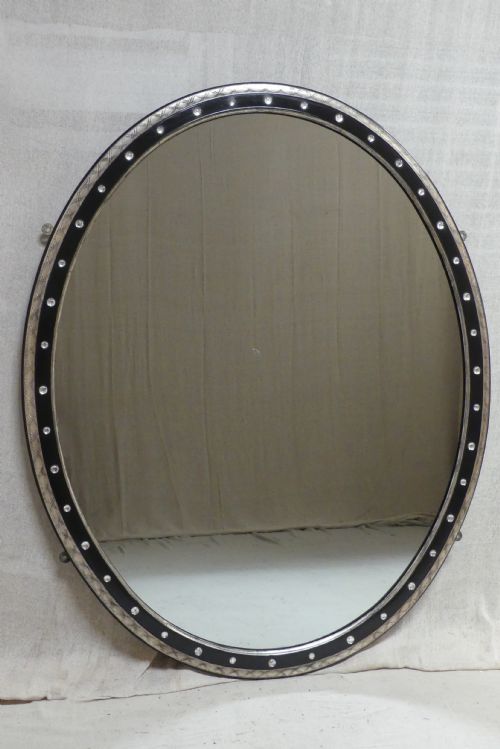
You are most likely to meet giltwood pier mirrors and oval frames bearing the characteristic classical restraint of the period.
The selection includes rectangular wall mirrors, overmantels, and convex glasses framed in mahogany, rosewood, and gesso.
How they were made
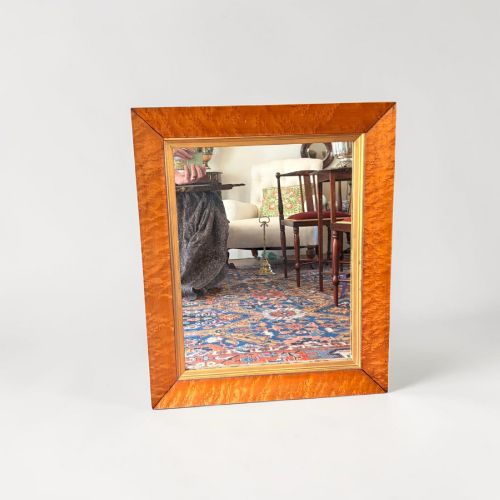
Frames are constructed from timbers such as mahogany, rosewood, birds-eye maple, and walnut, often finished with applied gesso and heavy gilding.
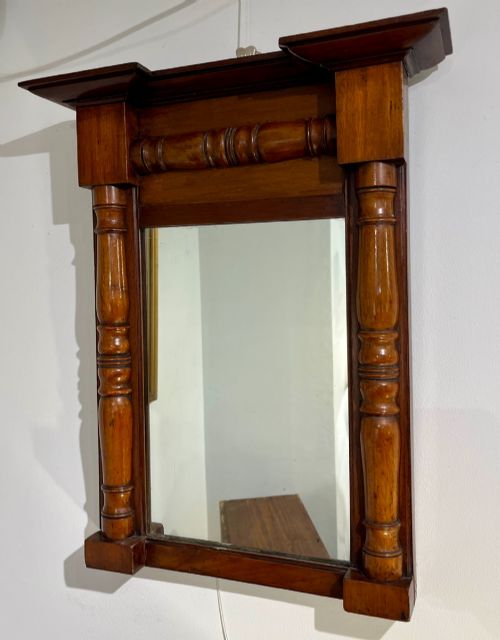
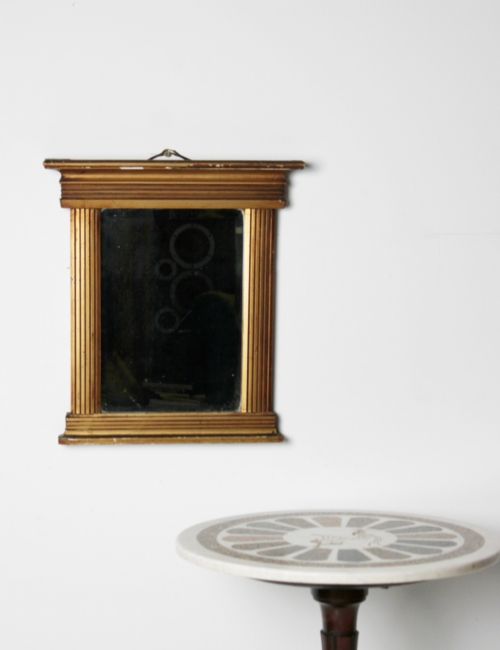
Glass plates are set within moulded wooden profiles, sometimes featuring reeded slips, half columns, or carved neoclassical motifs like rams' heads.
Regency Hanging Mirror Retail Price Guide 2026
Typical asking prices for regency hanging mirror among the pieces listed under this phrase on Sellingantiques today, from the lower quarter to the upper quarter. They describe what is for sale here now, not the wider market.
Certain frames stare back with cast brass rams' heads guarding the corners from mischievous spirits.
What varies in quality
The finesse of the carved gesso ornamentation and the depth of the original gilding set finer examples apart from simpler pieces.
The integrity of the mirror plate itself, whether original mercury glass or later replacement, dictates the character and depth of the reflection.
The Regency Hanging Mirror Glossary
- Giltwood
- Wood carved and coated with a thin layer of gold leaf or gilt finish. It catches the ambient daylight in a room.
- Gesso
- A plaster-like mixture applied to a wooden substrate and carved into decorative relief mouldings before gilding. This technique allows for crisp classical details.
- Pier mirror
- A tall wall mirror designed to hang on the narrow section of wall between two windows. They were frequently paired with console tables.
- Mercury plate
- An older silvering technique utilising a tin and mercury amalgam behind the glass. It produces a mottled, atmospheric reflection.
- Reeded
- A decorative moulding formed of parallel convex semicircular ridges. It is commonly found on classical doorframes and mirror surrounds.
Regency Hanging Mirror: Frequently Asked Questions
Where should I hang a pier mirror?
Pier mirrors are traditionally hung in the narrow space between two windows to bounce natural light back into the room.
They also work effectively above a mantlepiece or sideboard to create a sense of vertical height.
How do I identify a genuine period frame?
Look closely at the construction of the timber backing and the composition of the gesso mouldings beneath the gold leaf.
Period pieces show appropriate wear to the gilding and timber shrinkage consistent with nineteenth-century manufacture.
What is the difference between an overmantel and a wall mirror?
Overmantel mirrors are traditionally wider than they are tall, designed specifically to sit directly above a fireplace mantelpiece.
Standard wall mirrors are proportioned vertically or as ovals to hang freely on any open wall surface.