

Regency Glass Stand
A regency glass stand brings structural clarity to a room, offering a surface designed to elevate decanters, bowls or mirrors with period balance.
Regency Glass Stand
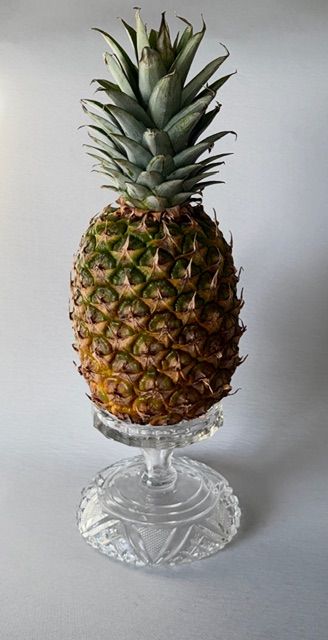
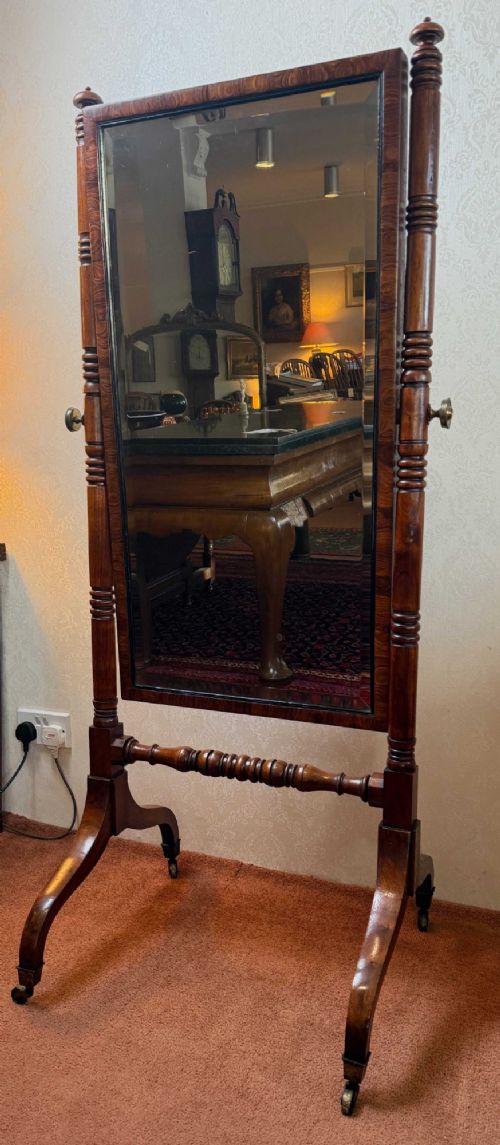
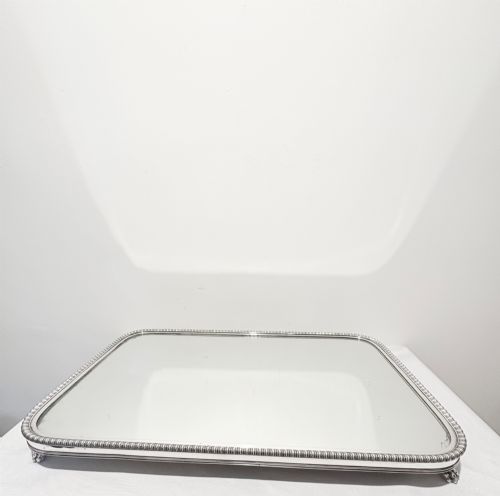
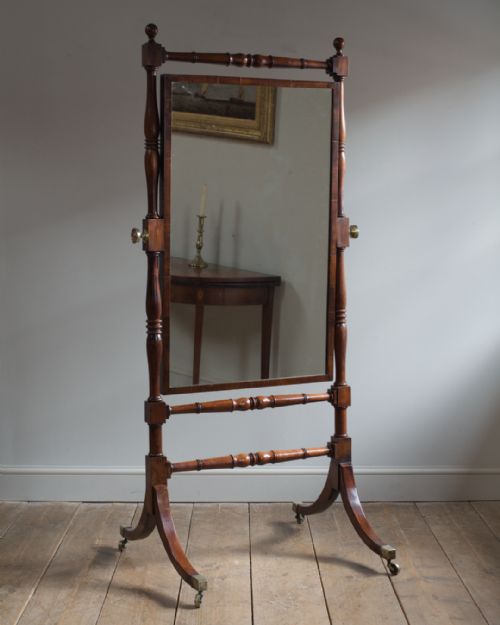
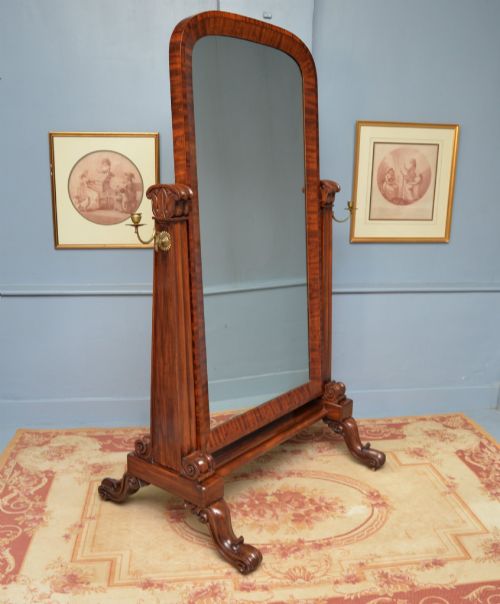
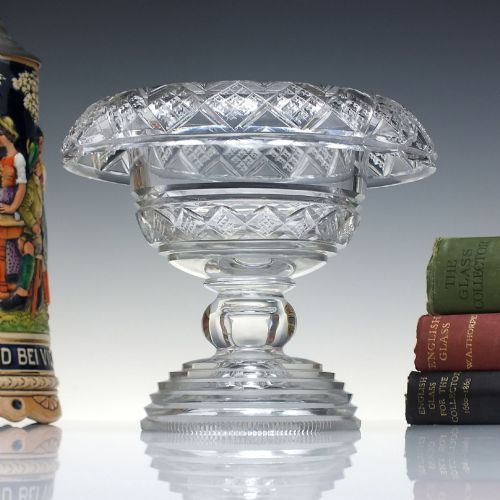
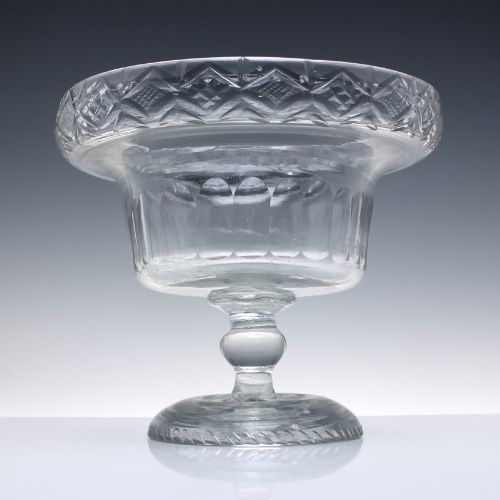
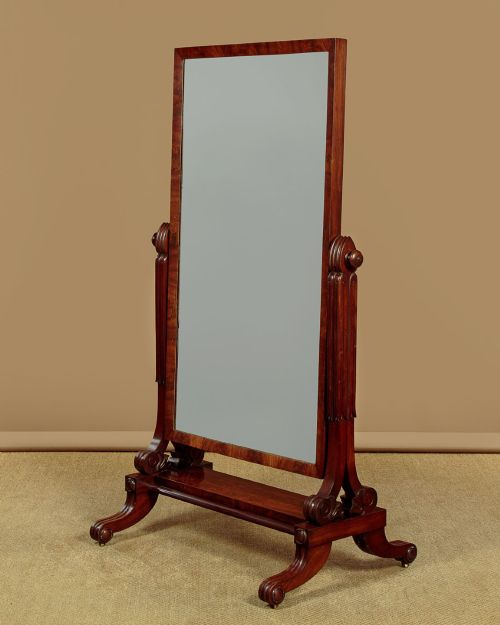
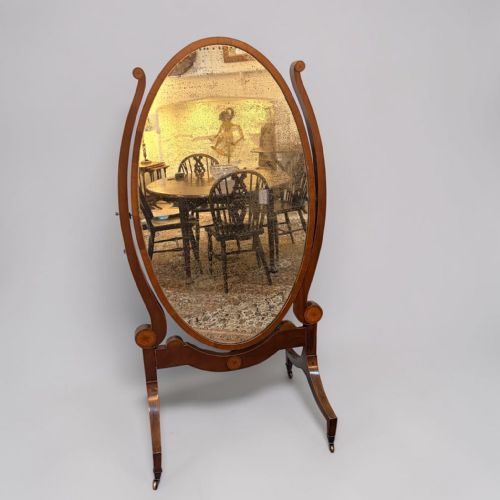
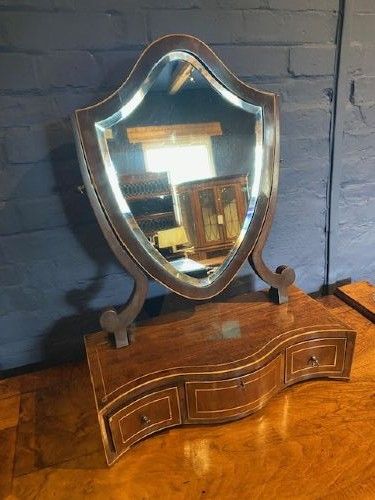
A regency glass stand encompasses items designed to support or display glass and mirrored elements, drawing predominantly from the Regency, Georgian, and 19th Century periods. These pieces frequently manifest as standing bowls, epergnes, dressing mirrors, and cruet sets that utilise cut glass and mirror glass alongside supporting frames.
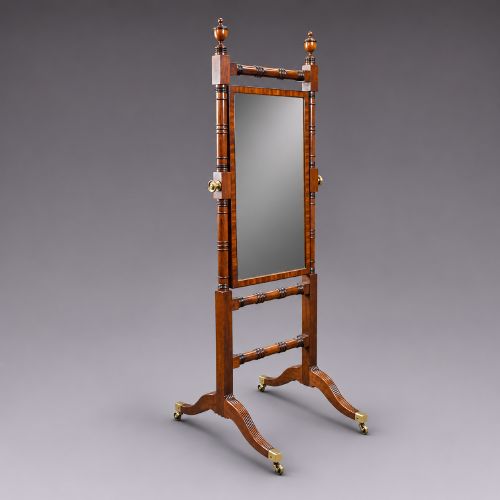
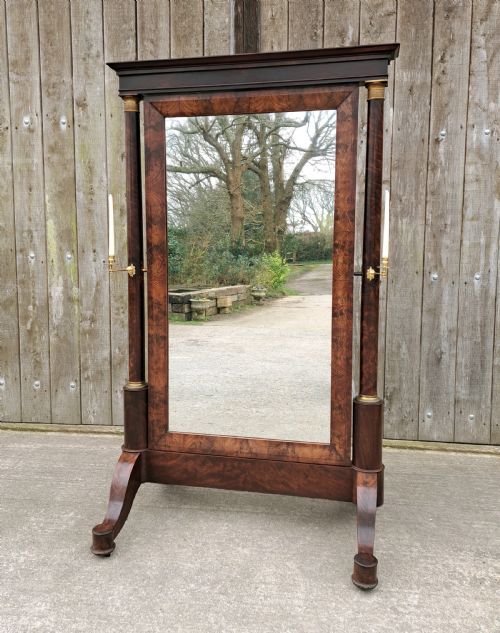
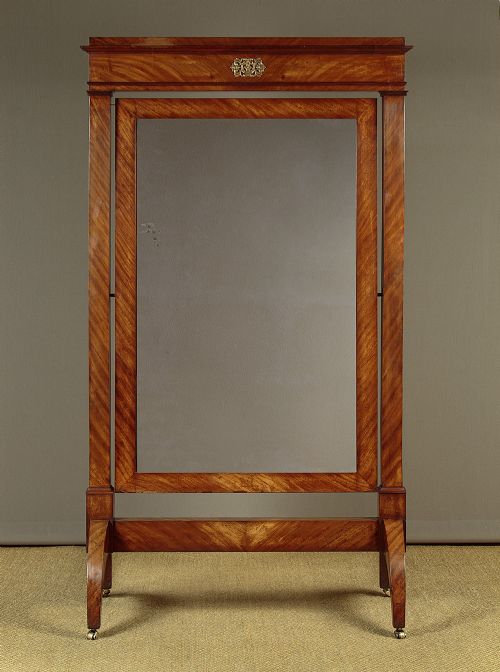
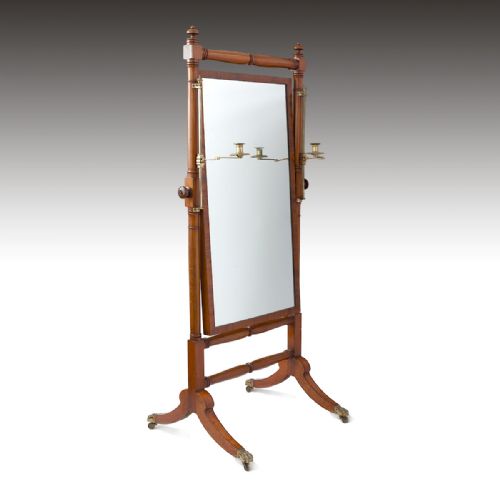
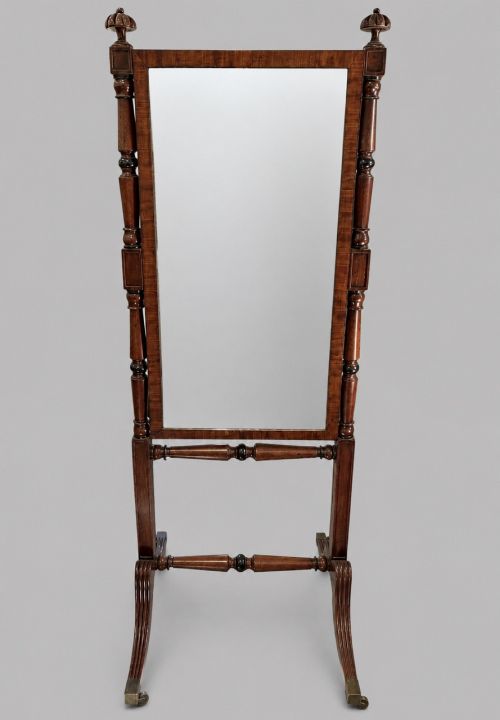
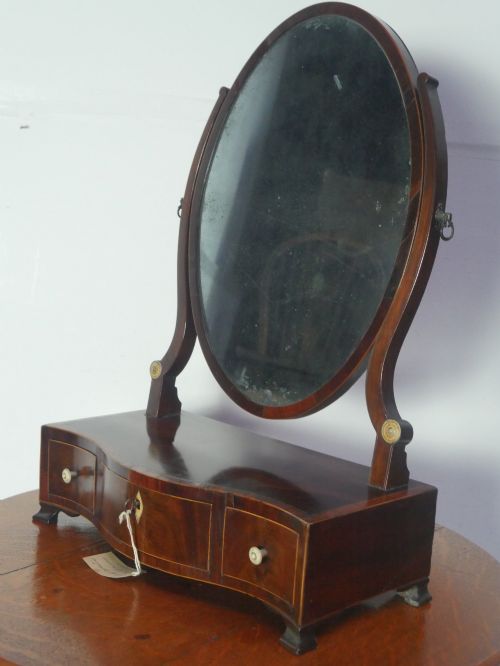
The objects seen here lean heavily toward mahogany, rosewood, and brass frameworks, often combining structural wood with reflective surfaces. The forms range from small desk inkstands to large cheval dressing mirrors and standing bowls resting on supportive bases.
Buyers seeking this phrase most often encounter cheval mirrors, swing mirrors, and table accessories that share the defining aesthetic of the early nineteenth century. The origins trace across English workshops, Irish glasshouses, and larger country house commissions.
Elements that determine quality
Quality rests on the crispness of the timber carving and the depth of the cut glass. Sharply faceted crystal and finely turned mahogany frames distinguish better workshops from standard production.
Proportion and structural integrity dictate the standing value of taller pieces like cheval mirrors. A well-balanced frame with original brass castors and unblemished mirror glass retains its original design harmony.
Regency Glass Stand Retail Price Guide 2026
Typical asking prices for regency glass stand among the pieces listed under this phrase on Sellingantiques today, from the lower quarter to the upper quarter. They describe what is for sale here now, not the wider market.
Listings span multiple nineteenth-century styles, including French Empire, Chinoiserie, and William IV designs executed in mahogany and cut glass.
Charles Thomas Fox·Gillows
The Regency Glass Stand Glossary
- Cheval mirror
- A large full-length swing mirror supported by a vertical frame and side pivots. This allows the glass to tilt freely.
- Cruet set
- A collection of glass bottles or cruets mounted on a stand for holding condiments, oil, or vinegar at the dining table.
- Epergne
- A large ornamental centrepiece used for holding fruit, flowers, or sweetmeats, often featuring multiple suspended glass baskets.
- Inkstand
- A portable or desk-mounted tray holding inkwells, pen holders, and sanders, typically formed from silver or Sheffield plate.
- Old Sheffield plate
- A composite material made by fusing a thin layer of silver to a thick copper base, common in early nineteenth-century stands.
Regency Glass Stand: Frequently Asked Questions
What is a regency glass stand?
A regency glass stand refers to furniture and tableware designed during the early nineteenth century to hold, reflect, or elevate glass items. This includes standing bowls, dressing mirrors, and bottle stands.
These pieces combine functional wooden or metal frames with glass components, reflecting the decorative priorities of the Regency and Georgian eras.
How were these stands used?
They served practical roles in dining rooms, dressing rooms, and libraries. Cruet sets held condiments for meals, while inkstands organised writing materials on a desk.
Mirrors and standing bowls functioned as decorative and personal grooming accessories in principal rooms of the house.
How do I care for mahogany and glass?
Keep wooden frames away from direct sunlight and sudden temperature changes to protect the polish and prevent timber movement. Clean glass elements with a soft cloth and mild solution.
Avoid excessive moisture on silvered mirror glass and mounted metal fittings during maintenance.
How to tell Regency from Victorian?
Regency pieces typically display restrained classical proportions, lighter woods, and finer brass mounts. They date from the early decades of the nineteenth century.
Victorian items often feature heavier carvings, darker finishes, and denser ornamentation as manufacturing techniques evolved later in the century.