





Regency Gilt Sconce
A regency gilt sconce brings bright metallic warmth and candlelight or mirrored depth to an interior, drawn from periods spanning the early nineteenth century to mid-century revivals.
Regency Gilt Sconce
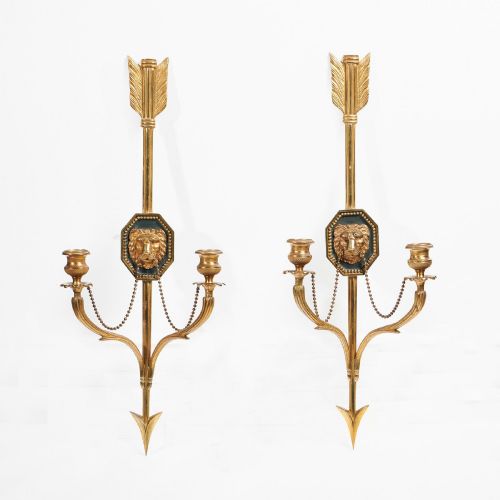
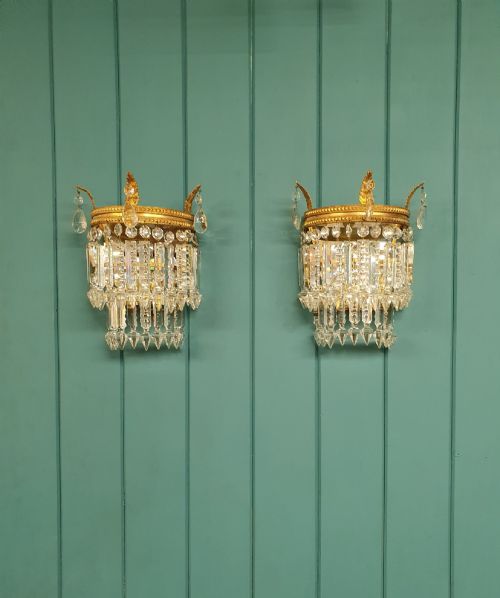
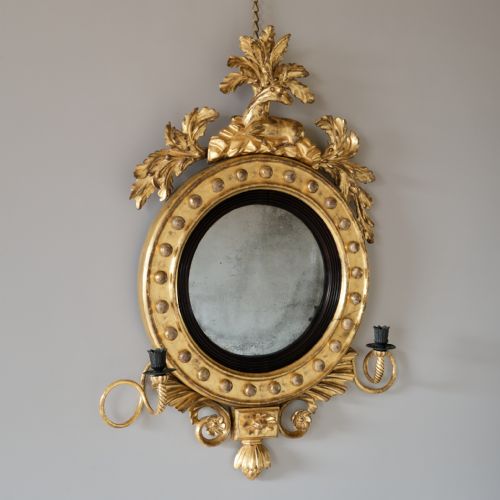
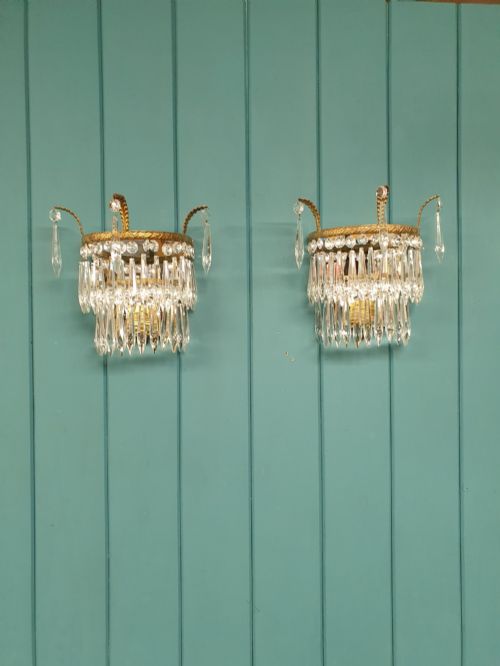
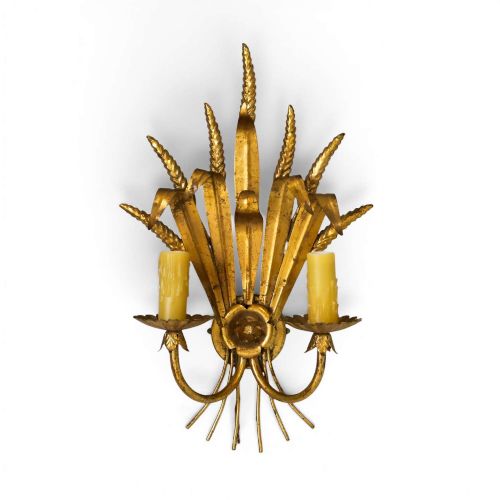
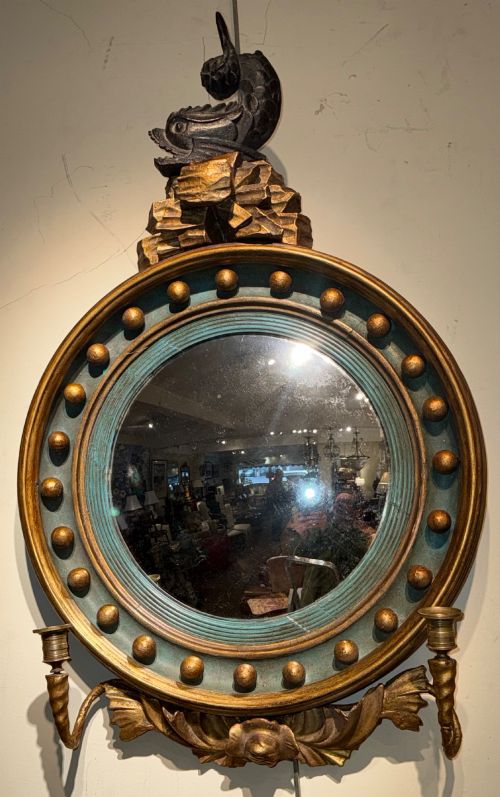
A regency gilt sconce encompasses wall lights, girandole mirrors, and candlesticks originating from the Regency period alongside later revivals from the nineteenth and twentieth centuries. Buyers seeking this search phrase encounter pieces designed to mount on walls, often incorporating glass, mirror plates, or crystal to amplify light within a room.
Origins span English workshops of the early eighteen-hundreds, French neoclassical designs, and twentieth-century interpretations including mid-century modern electric fittings. These pieces draw upon styles such as Empire, French Chateau, and Regency Revival to deliver decorative illumination and reflective surfaces.
Materials and construction
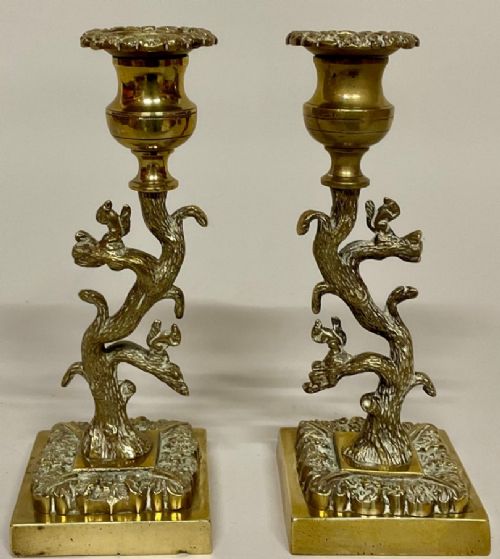
Makers utilised giltwood, brass, gilt bronze, and ormolu, applying gold leaf or metallic finishes over carved wood or cast metal foundations. Bronze and metal components were cast into sculptural forms, including tree branches with squirrels, putti, and neoclassical brackets.
Mirror glass and crystal elements were integrated into girandole frames and sconce backs to reflect candle flames or electric illumination. Frames combine carved wooden mouldings with gesso and gilding, while electric wall lights incorporate metal wiring alongside traditional patinated and gilt surfaces.
Regency Gilt Sconce Retail Price Guide 2026
Typical asking prices for regency gilt sconce among the pieces listed under this phrase on Sellingantiques today, from the lower quarter to the upper quarter. They describe what is for sale here now, not the wider market.
Squirrels clamber permanently through cast bronze tree branches on a pair of early nineteenth-century candlesticks.
Distinctions in quality
Quality differentiates through the crispness of metal casting and the depth of hand-carved detail on wooden frames. Finer examples display sharp definition in sculptural figures, foliage, and neoclassical ornamentation rather than softened edges.
The application and preservation of the gilded surface determine visual richness, with superior pieces retaining layered gold leaf or patination that ages gracefully. Structural integrity in the mounting points and the original clarity of mirror glass or crystal components further distinguish high-tier examples.
Maison Baguès
The Regency Gilt Sconce Glossary
- Girandole
- A branched wall light or candleholder incorporating a mirror plate. The reflective glass multiplies the illumination cast into the room.
- Giltwood
- Timber treated with gesso and covered in fine gold leaf. This technique provides a bright, durable metallic finish to ornate frames.
- Ormolu
- Finely ground high-carat gold mercury-gilded onto a bronze base. It creates a rich, warm metallic lustre characteristic of neoclassical decorative objects.
- Convex mirror
- A round mirror with a curved glass surface that reflects a wide, distorted field of view. These often feature gilded frames adorned with balls or eagles.
Regency Gilt Sconce: Frequently Asked Questions
How do I hang a heavy regency gilt sconce?
Heavy wall lights and girandole mirrors require secure fixings into solid masonry or direct attachment to wall studs using appropriate load-bearing screws and brackets.
Consulting a professional installer ensures the weight of giltwood and bronze pieces is safely supported without damaging plaster.
Are these wall lights wired for electricity?
Wiring varies depending on the specific period and piece, with some examples retaining original candle sockets while others feature later electric conversions.
Buyers should inspect individual listings to determine whether a fitting is electric or designed strictly for candles.
How do I clean a gilded frame?
Gilded surfaces require gentle dusting with a soft, dry brush to prevent abrasion to the delicate gold leaf layer. Liquid cleaners and chemical solvents must be avoided entirely to preserve the original finish.
Professional conservation is recommended for pieces showing significant surface wear or flaking gesso.
How can I tell an original Regency piece from a revival?
Distinguishing original early nineteenth-century items from Edwardian or mid-century revivals involves examining construction methods, wood types, and the composition of the gesso and gilding. Secondary indicators include assembly marks, backboards, and the manufacturing characteristics of the mirror glass.
Comparing the stylistic details against documented pieces from the Regency period provides further clarity.