
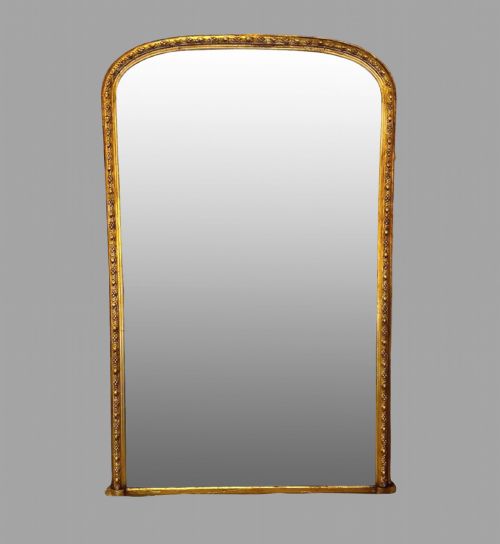
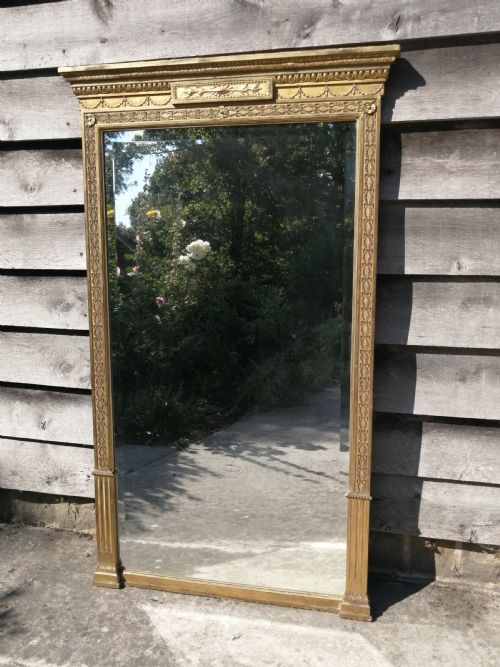
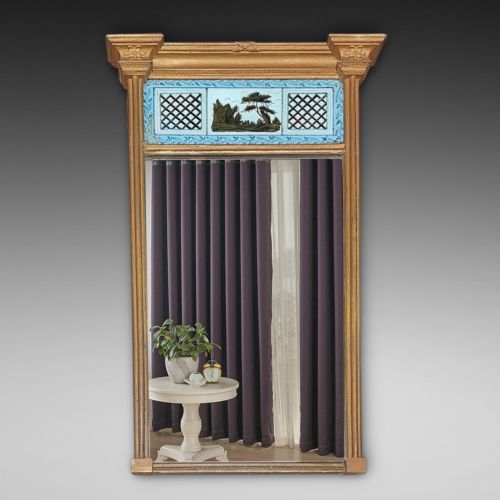
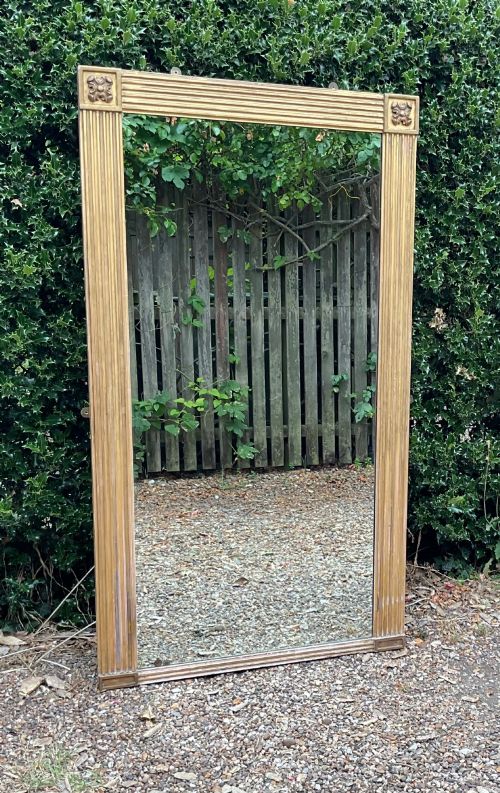
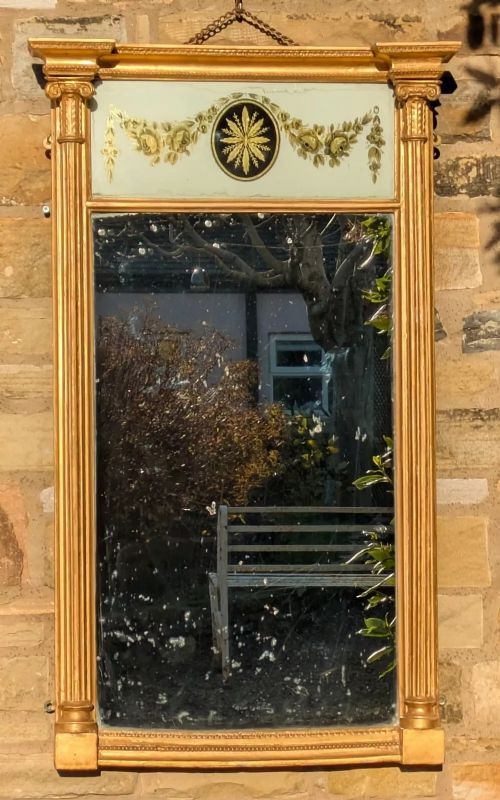
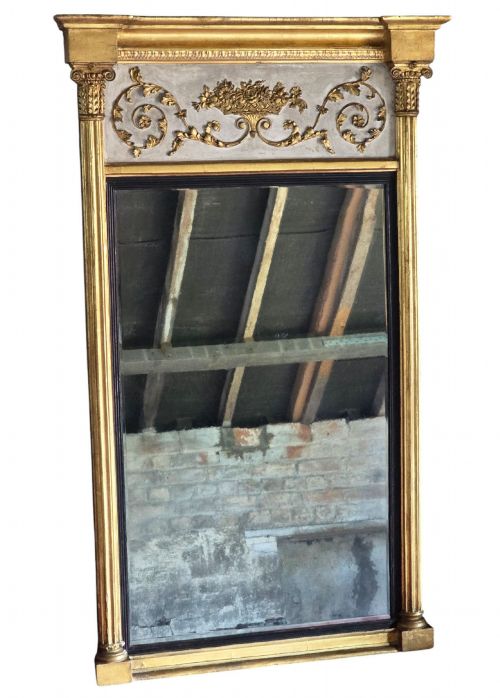
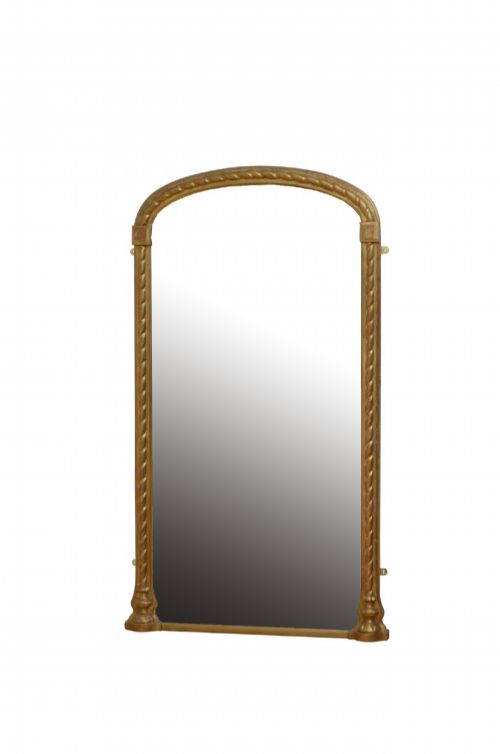
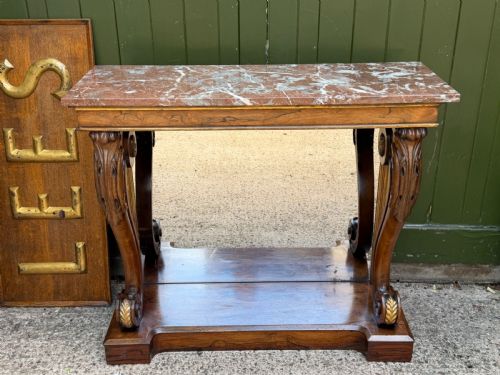


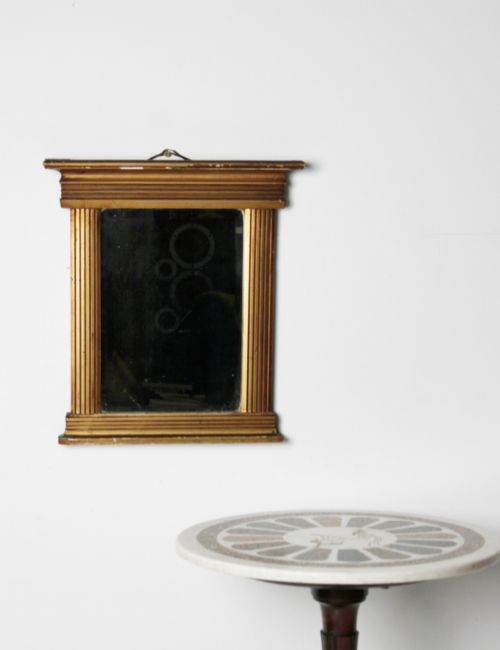

Regency Gilt Pier Mirror
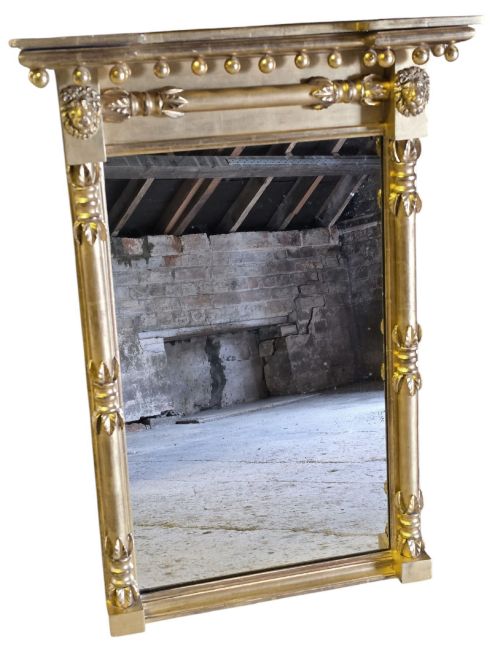
A regency gilt pier mirror hangs between windows, reflecting light into a room with neoclassical elegance and period presence.
Regency Gilt Pier Mirror
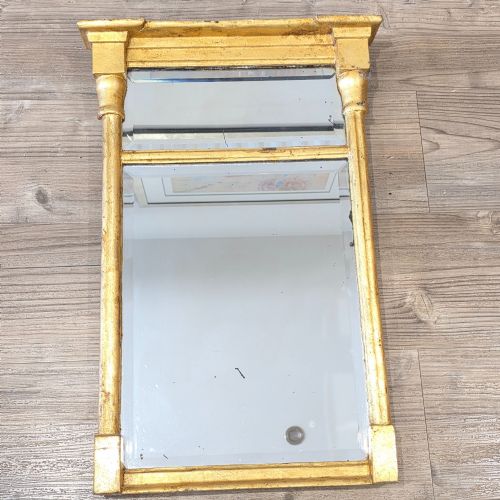
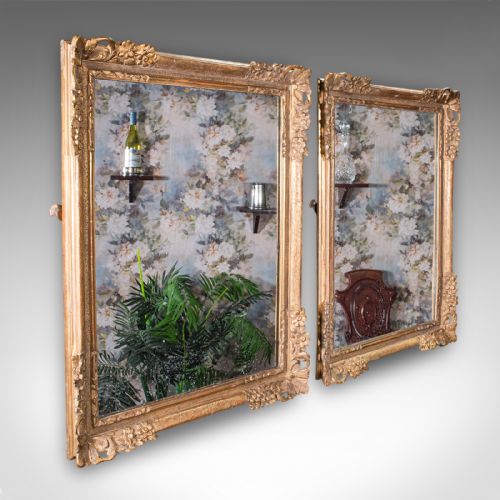
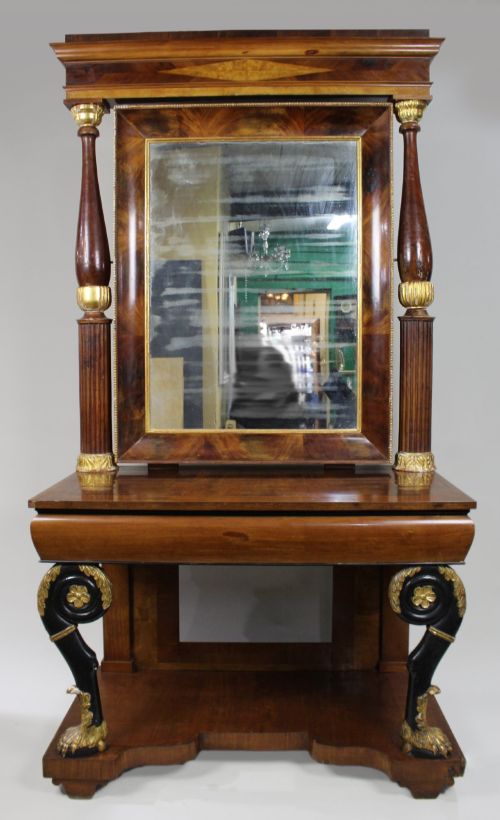
A regency gilt pier mirror is a vertical wall glass designed specifically to hang on the narrow wall space between windows, known as the pier. The pieces found here predominantly date from the nineteenth century, drawing heavily on Regency, Georgian, and Neoclassical design vocabularies. Most examples feature upright rectangular frames, occasionally accompanied by console tables or paired with decorative upper panels.
Makers of the period constructed these furnishings to enhance natural light within principal rooms by positioning them opposite or between windows. Surviving formats range from compact wall-hanging glasses to larger scaled overmantel combinations and console table ensembles. The form remains central to period interior schemes due to its vertical emphasis and reflective capacity.
Materials and construction
The primary structural framework relies on timber such as mahogany or softwoods, which then received layers of gesso to build up intricate relief ornaments. Artisans applied gold leaf or liquid gilt directly over the gesso base, often burnishing specific areas to create contrast between matte and shiny surfaces. Composition ornament, a mouldable paste pressed into shape, frequently supplements hand-carved wooden details on the frames.
Mirror glass of this era was silvered using traditional techniques, resulting in original plates that commonly exhibit characteristic foxing and minor imperfections. Many examples incorporate a verre eglomise panel at the top, utilising reverse painting on glass with gilt or black details to add architectural weight. Secondary woods like pine appear at the reverses of the frames, held together with period joinery.
Listings demonstrate that nineteenth-century giltwood and gesso remain the dominant materials for these vertical wall mirrors.
Quality and craftsmanship
Distinctions in quality rest upon the crispness of the carved or moulded ornamentation and the depth of the gilding layers. Finer pieces demonstrate sharp definition in motifs such as rope twists, cluster columns, and classical swags, whereas lesser examples show softened edges where gesso has filled the carved details too thickly. The presence of an undamaged original mirror plate and intact verre_eglomise panels elevates a piece considerably.
Structural integrity also separates standard items from exceptional survivals, particularly regarding the attachment of heavy crests and the stability of the foundational frame. Superior mirrors retain their original backboards, secure gilding without excessive modern touching-up, and harmonious proportions that reflect the rigorous design standards of the early nineteenth century.
The Regency Gilt Pier Mirror Glossary
- Verre eglomise
- A cold-painting technique on glass involving gold or silver leaf, frequently seen in the upper panels of these mirrors. It provides a dark, reflective border that frames the main mirror plate below.
- Gesso
- A plaster-like mixture applied to the wooden frame base to create a smooth surface for gilding and low-relief moulding. It allows intricate decorative details to be formed before the application of gold leaf.
- Pier glass
- An alternative term for a tall wall mirror designed to fit the narrow expanse of wall between windows. These mirrors were often paired with console tables placed directly beneath them.
- Foxing
- Age-related spots and discoloration within the silvering of antique mirror glass caused by chemical reactions over time. It serves as an indicator of original nineteenth-century manufacture.
- Parcel-gilt
- A decorative treatment where only specific carved elements of a wooden frame are gilded, leaving the underlying timber grain visible elsewhere. Mahogany pieces frequently employed this method.
Regency Gilt Pier Mirror: Frequently Asked Questions
Where should I hang a pier mirror?
These mirrors suit narrow wall spaces between windows or above matching console tables where they can reflect light effectively. Their vertical proportions are balanced for rooms with high ceilings.
Avoid placing them in areas subject to dampness or direct heat sources that might compromise the gesso and original mirror silvering.
How do I identify a Regency frame?
Regency frames typically display classical motifs such as reeding, Egyptian revival columns, ball-and-acorn borders, and architectural pediments. The proportions lean towards restrained neoclassical geometry rather than heavy ornamentation.
Examining the construction methods at the back of the frame helps confirm the period origin alongside stylistic markers.
What is an eglomise panel?
An eglomise panel is a decorative glass section positioned above the main mirror plate, featuring reverse painting and gilding. These panels often depict classical landscapes or decorative motifs.
They add visual weight to the top of the mirror and help balance the vertical composition.
Should the mirror plate be original?
Original mirror plates often show foxing, minor scratches, and slight distortion, which confirm their period authenticity. Many collectors prefer these signs of age over modern replacement glass.
However, replacement plates are common in mirrors of this age and do not detract from the decorative impact of the giltwood frame.