



Regency Fruit Basket
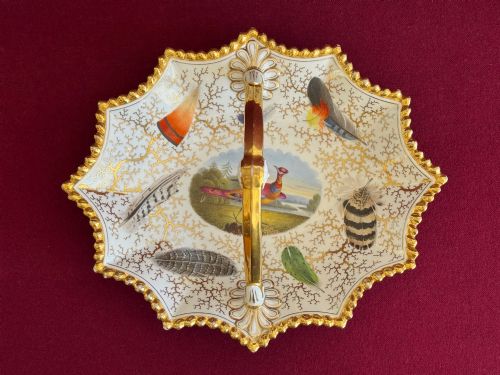
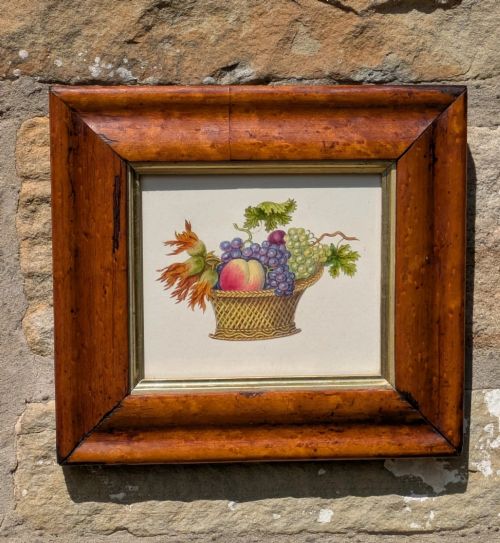
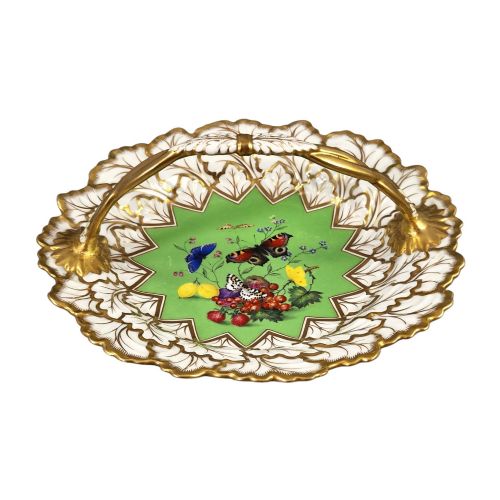
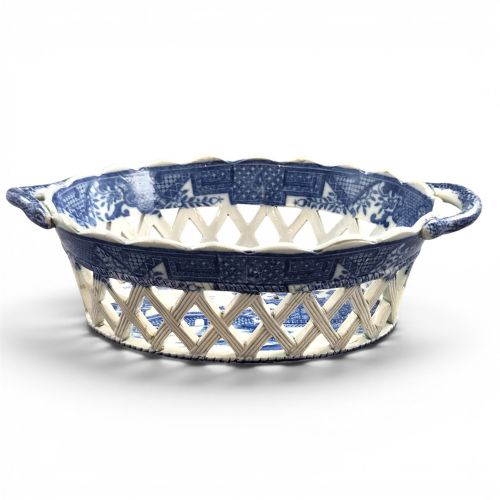
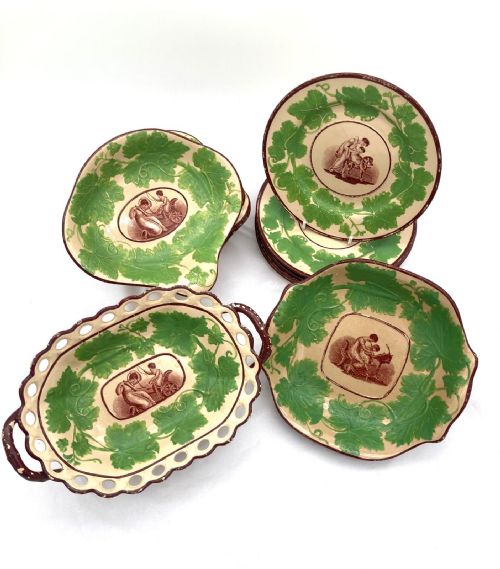
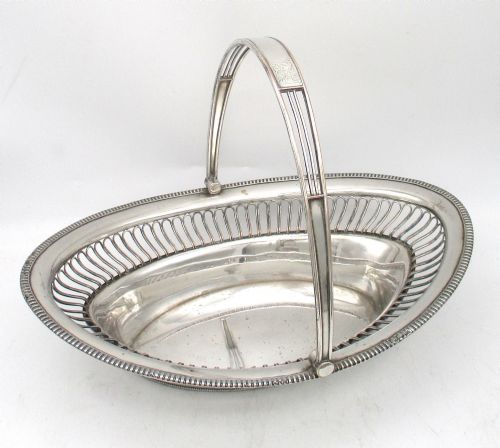
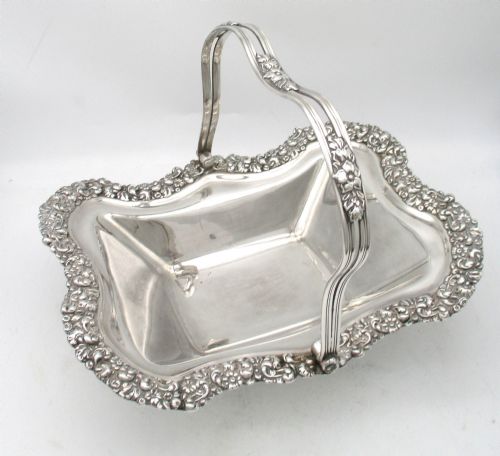
These Regency fruit basket examples combine elegant wirework, porcelain and transfer-printed earthenware to grace a formal dining table.
Regency Fruit Basket
A regency fruit basket serves as a refined centrepiece for presenting fresh fruit or desserts during the Georgian and Regency periods. Buyers seeking a regency fruit basket will encounter pieces ranging from delicate porcelain dessert baskets to functional wirework designs in Old Sheffield Plate.
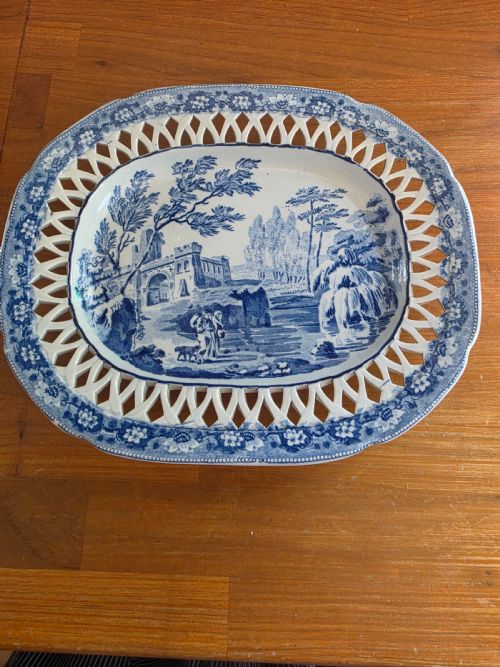
The selections span earthenware, pearlware and porcelain, alongside metalwork items like copper and silver plate. Many forms incorporate reticulated or fretted details, featuring traditional patterns such as the Willow pattern or Long Bridge design.
Originating predominantly in the early nineteenth century, these objects reflect the refined dining customs of the era. Whether intended for wall art, chestnut service or general tableware, each piece demonstrates the characteristic aesthetic of the period.
Materials and construction
Makers utilised porcelain and pearlware, applying intricate blue and white transfer printing or hand-painted watercolours to decorate the surfaces. Earthenware bodies received clear or pearl glazes to achieve a glossy finish suitable for dining room display.
Metalwork items relied upon Old Sheffield Plate and silver plate, employing skilled wirework techniques to shape open baskets. These metallic vessels required precise soldering and forming to create lightweight yet sturdy decorative trays.
Regency Fruit Basket Retail Price Guide 2026
Typical asking prices for regency fruit basket among the pieces listed under this phrase on Sellingantiques today, from the lower quarter to the upper quarter. They describe what is for sale here now, not the wider market.
Early nineteenth-century dining tables featured elaborate wirework baskets designed specifically to keep roasted chestnuts warm.
Assessing quality and execution
Quality reveals itself in the crispness of the transfer printing and the precision of the pierced or reticulated ceramic work. Superior porcelain baskets show finer body walls and more controlled enamel or gilt applications.
Metal baskets depend on the neatness of the wirework construction and the preservation of the original plating over the base metal. Well-executed pieces maintain structural integrity and clean junctions without clumsy repairs.
Flight Barr And Barr·Davenport·Spode
The Regency Fruit Basket Glossary
- Pearlware
- A refined earthenware developed in the late eighteenth century, featuring a slight blue tint in the glaze to mimic Chinese porcelain.
- Old Sheffield Plate
- A composite material made by fusing a thin sheet of silver to a copper core, common in luxury metalware before electroplating.
- Reticulated
- Pierced or openwork decoration forming a lattice or net pattern, frequently found on ceramic baskets.
- Transfer printing
- A mechanical method of applying complex blue and white designs to pottery using an engraved copper plate and tissue paper.
- Chestnut basket
- A specialised vessel used for serving chestnuts at the table, often supplied with a matching undertop platter.
Regency Fruit Basket: Frequently Asked Questions
What is a regency fruit basket used for?
These baskets were originally designed for serving fresh fruit, nuts or sweetmeats during dessert courses at formal dinners. They sat centrally on the table to provide both visual decoration and practical hospitality.
Today, they function well as decorative display pieces on sideboards or open shelving, holding small items or simply appreciated for their period craftsmanship.
How do I identify a piece from the Regency period?
Look for specific stylistic cues such as classical motifs, fine wirework construction, and transfer-printed blue and white scenes on pearlware or earthenware bodies. Maker marks and characteristic forms like reticulated chestnut baskets also point directly to this era.
Dates typically centre around the late eighteenth and early nineteenth centuries, aligning with Georgian and Regency aesthetic preferences.
How should I care for an antique basket?
Ceramic and metal pieces require gentle handling and should be dusted with a soft, dry cloth rather than submerged in water. Avoid abrasive cleaners that can damage fragile glazes or thin silver plating.
Display them away from direct sunlight and extreme humidity to preserve the integrity of the materials and any delicate surface decoration.