
Regency Flame Mahogany Cupboard
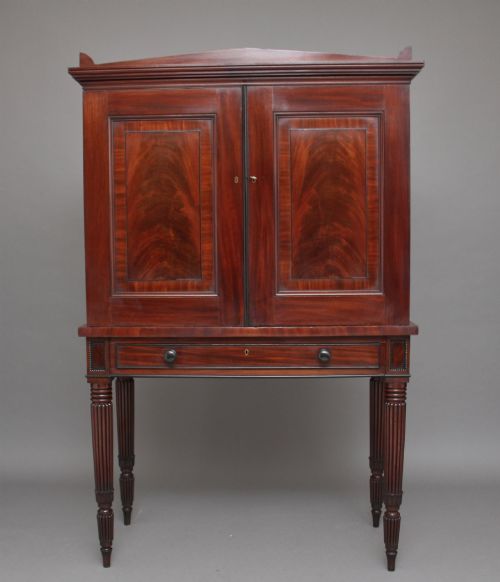
A regency flame mahogany cupboard brings rich timber grain and architectural presence into a room.
Regency Flame Mahogany Cupboard
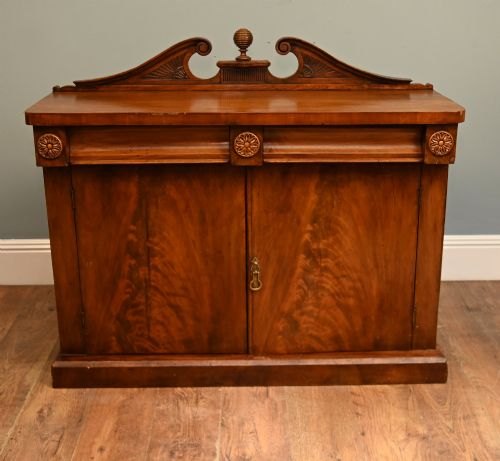
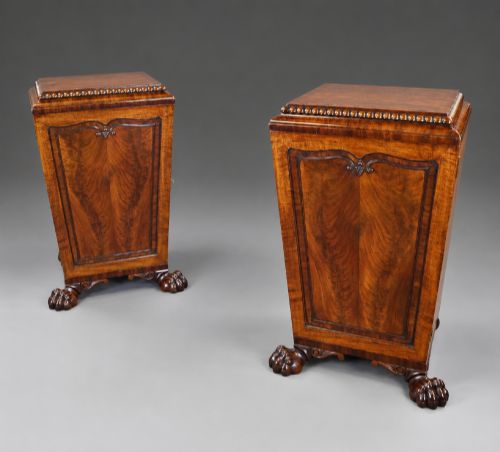
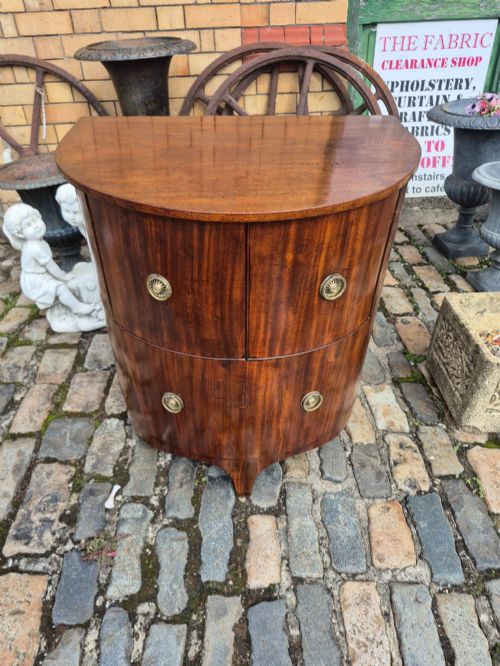
When you search for a regency flame mahogany cupboard, you encounter case furniture spanning the Georgian, Regency, and William IV eras. The selection here ranges from compact cylindrical bedside tables to towering library bookcases, linen presses, and side cabinets.
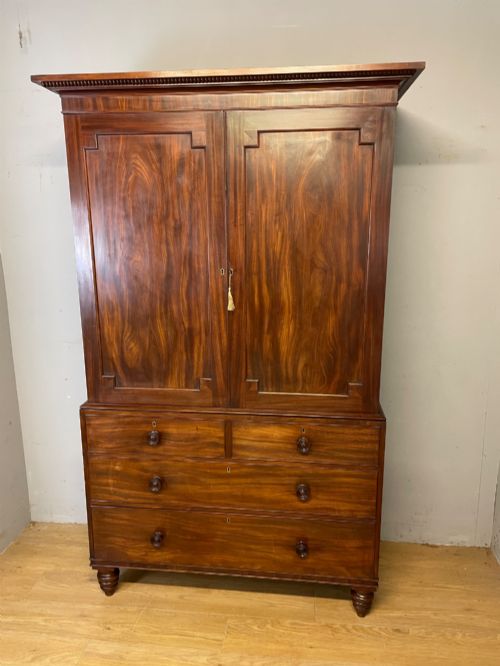
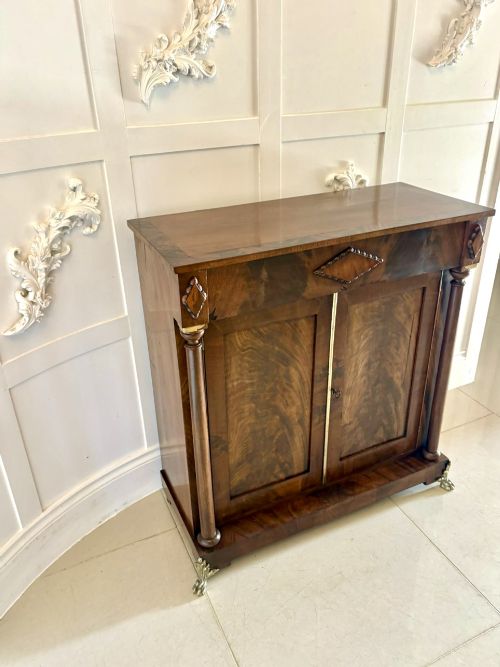
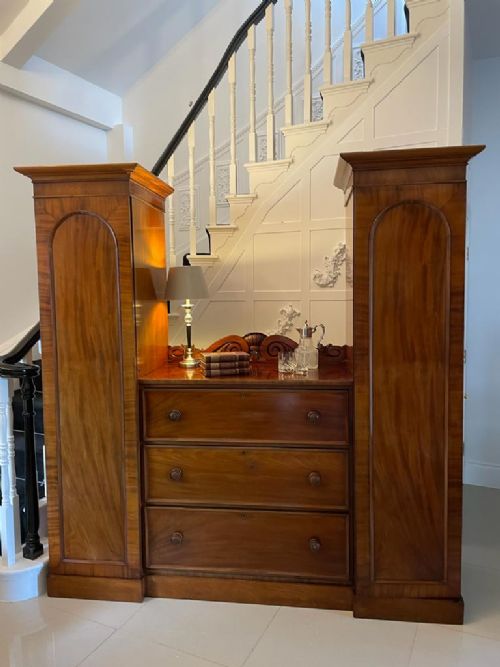
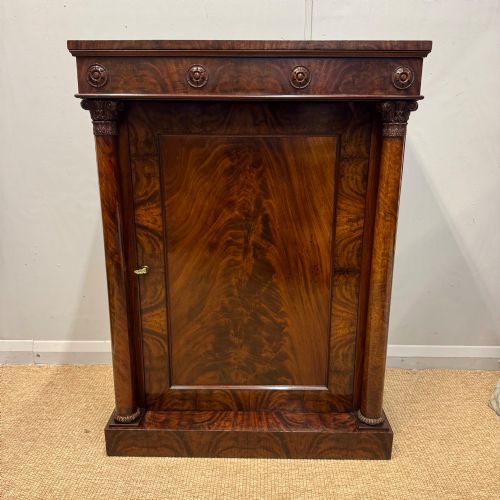
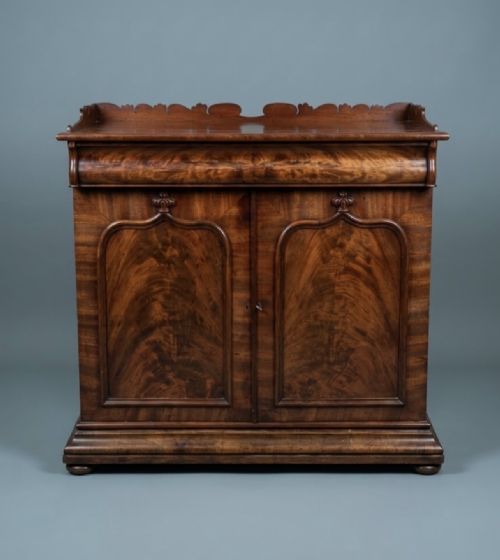
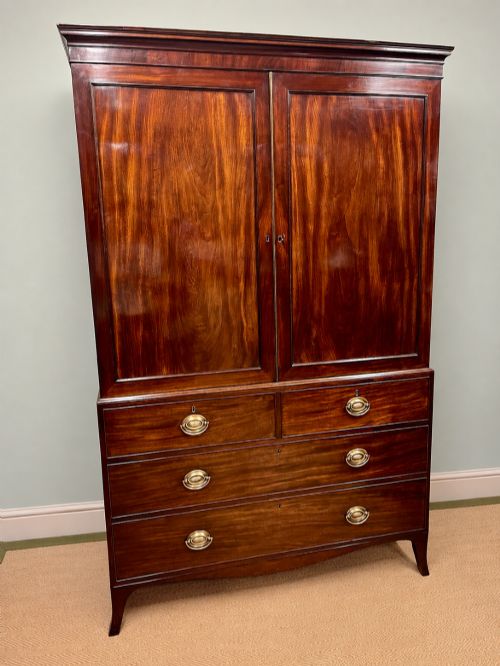
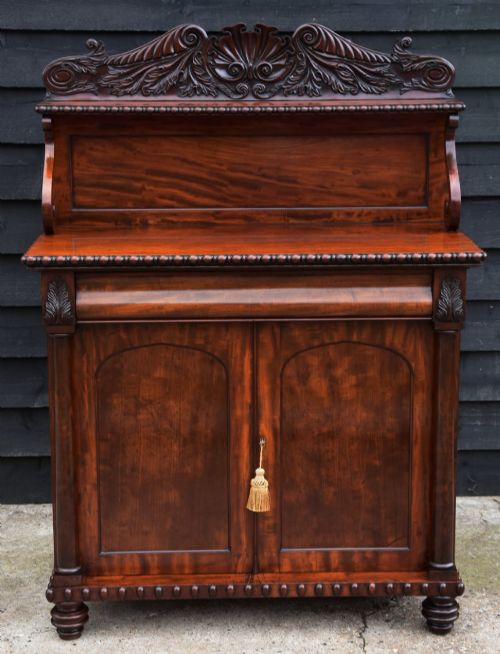
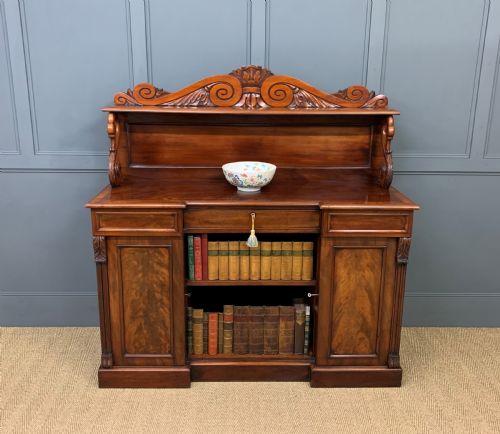
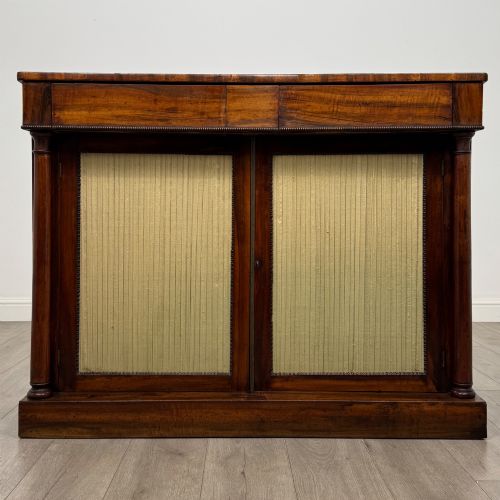
The version you meet most often on this page is the side cabinet or chiffonier, alongside tall linen presses and wardrobe cupboards. These storage pieces share the characteristic dark timber and figured grain that defined elite cabinet making in the early nineteenth century.
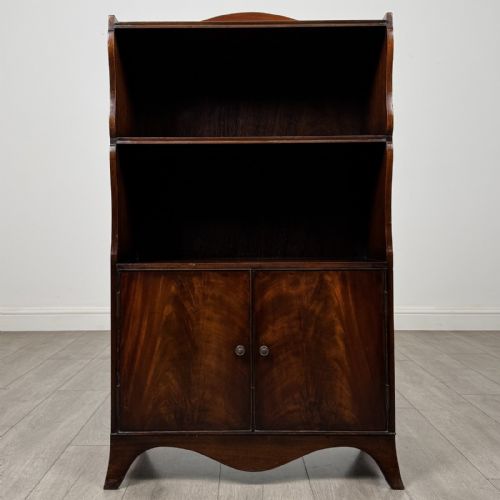
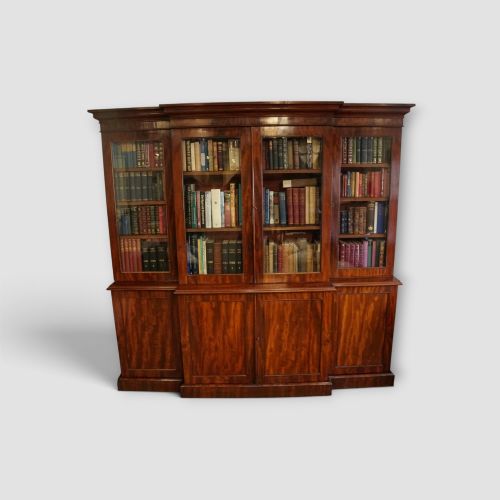
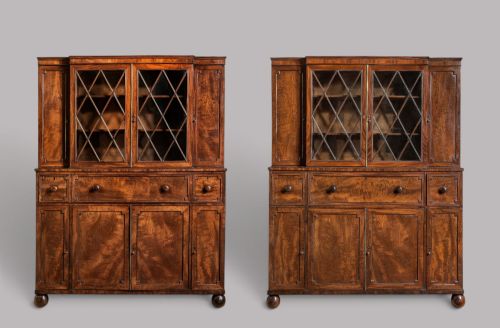
Makers of the period utilised mahogany as the primary structural and decorative medium, often augmenting standard stock with striking veneer selections. Forms vary from low, single-door pedestals to large breakfront library bookcases fitted with glass doors.
How they were made
Cabinet makers constructed the carcases of these cupboards using solid mahogany and secondary timbers such as oak, applying thin sheets of flame mahogany veneer to the primary visible surfaces. This technique allowed craftsmen to display dramatic, fiery grain patterns across large door panels and drawer fronts.
Metalwork played a functional and decorative role, with brass grilles, handles, and occasional ormolu mounts fitted to doors and drawers. Glass panels appeared frequently on bookcase and display sections, whilst blind fretwork carving and subtle inlay work provided linear definition.
Listings feature mahogany, oak, brass, glass, and ormolu across pieces dated from the eighteenth to the twentieth century.
What varies in quality
The selection of the timber veneer dictates the visual impact of the piece, with symmetrical flame patterns commanding the eye more effectively than uniform grain. Master workshops selected specific logs to create mirrored effects across double doors.
Structural joinery and the integration of secondary woods like oak reveal the tier of the workshop. Superior examples exhibit precise dovetailing in the interior drawers and clean execution of decorative elements such as fretwork and brass mounts.
Gillows
The Regency Flame Mahogany Cupboard Glossary
- Flame mahogany veneer
- A thin slice of wood cut from timber where the branch meets the trunk, producing a distinctive rippled, flame-like pattern. Cabinet makers laid these veneers symmetrically across door fronts for maximum visual effect.
- Chiffonier
- A low sideboard or cabinet featuring shelves or enclosed storage, popular during the Regency and William IV periods. These pieces frequently incorporate a raised shelf back or a small drawer above the lower cupboard doors.
- Linen press
- A tall piece of case furniture combining upper hanging space or sliding trays with lower drawer storage. They were built to store household linens and garments in domestic interiors.
- Breakfront
- A piece of furniture where the central section projects forward from the flanking wings. This architectural arrangement adds depth and shadow to large bookcases and sideboards.
- Blind fretwork
- Carved ornamentation applied to a solid background so that the pattern appears pierced without actually cutting through the wood. It provides subtle texture along cornices and friezes.
Regency Flame Mahogany Cupboard: Frequently Asked Questions
What rooms suit a regency flame mahogany cupboard?
These cupboards work well in drawing rooms, studies, and bedrooms where enclosed storage is required. Their rich timber tones complement both traditional and contemporary interiors.
Smaller cylindrical bedside tables fit easily beside low beds, whilst larger linen presses and bookcases anchor dining rooms or libraries.
How do I care for flame mahogany veneer?
Keep the timber away from direct sunlight and steady heat sources to prevent the veneer from drying or cracking. Regular dusting with a soft, dry cloth preserves the polished surface.
Occasional application of traditional beeswax helps maintain the moisture and lustre of the antique polish without building up residue.
Were these cupboards used for books or clothes?
Usage depended entirely on the internal configuration of the specific piece. Tall cabinets with glass doors and adjustable shelves served as libraries for housing bound volumes.
Cabinets with solid panelled doors, sliding trays, or hanging space functioned as linen presses, wardrobes, or general housekeepers' cupboards.