



Regency Fire Surround
A regency fire surround brings neoclassical architectural lines to a room, offering the clean architectural proportions of the early nineteenth century.
Regency Fire Surround
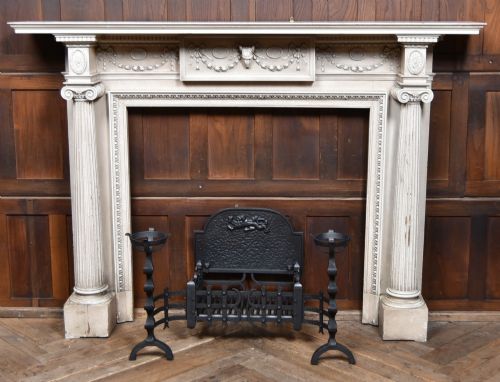
A regency fire surround typically presents as a carved pine structure, often decorated with gesso or white paint in the neoclassical taste. These architectural frames define a hearth with classical motifs such as tablets depicting classical design.
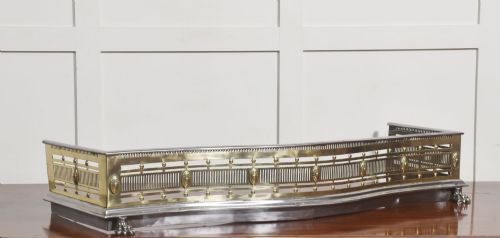
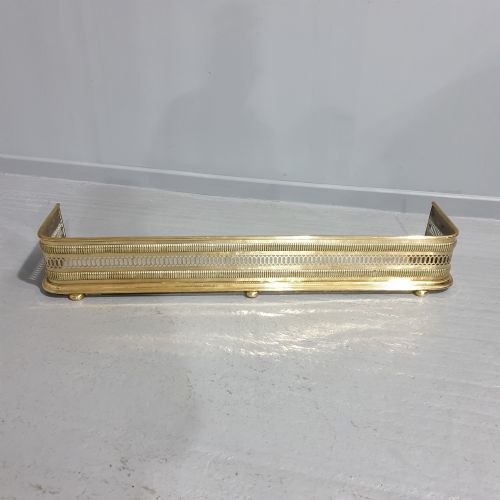
Alongside the structural surrounds, buyers searching for a regency fire surround frequently encounter related hearth furniture including brass, steel, and bronze fenders. These metal accessories often incorporate lions or brass garlands to complement the architectural fireplace.
The pieces span the nineteenth century, drawing heavily on Georgian and Regency styles with occasional Victorian echoes. Painted pine and polished steel dominate the recorded forms, reflecting the material choices of the period.
Materials and Construction
Surrounds are constructed from pine, frequently layered with gesso and painted white to achieve a crisp finish suitable for classical carving. Woodcarvers shaped these pine structures with classical tablets and mouldings.
Metalwork utilises brass, steel, iron, and bronze to create heavy fenders and fire guards. Polished steel and gilt bronze appear alongside heavy brass castings decorated with lions and garlands.
Regency Fire Surround Retail Price Guide 2026
Typical asking prices for regency fire surround among the pieces listed under this phrase on Sellingantiques today, from the lower quarter to the upper quarter. They describe what is for sale here now, not the wider market.
Listings feature pine and gesso fire surrounds alongside heavy brass and polished steel fenders from the nineteenth century.
Judging Quality
Quality rests upon the crispness of the carving in the pine and gesso, alongside the weight and detail of the metal castings. Pieces decorated with classical tablets show superior craftsmanship compared to plain mouldings.
The choice of materials also dictates the standard of the piece, with heavy polished steel and finely chased bronze representing more ambitious workshop production than standard iron work.
The Regency Fire Surround Glossary
- Gesso
- A plaster-like material applied to wood and carved to create sharp decorative relief details before painting.
- Curb Fender
- A metal barrier placed on the floor around the hearth to contain embers and protect the room.
- Neoclassical
- A style drawing inspiration from the classical art and architecture of ancient Greece and Rome.
- Fire Guard
- A protective metal screen placed before a fireplace to stop sparks from entering the room.
Regency Fire Surround: Frequently Asked Questions
What periods do these surrounds come from?
The pieces originate from the nineteenth century, encompassing both the Regency and Georgian eras.
Craftsmen built them during a time when classical architectural styles dominated interior design.
How do I clean a brass fender?
Brass fenders require gentle cleaning with appropriate metal polishes to maintain their finish without harming the surrounding metal.
Careful attention preserves the original cast details like lions and garlands.
Are painted pine surrounds original?
Many surrounds feature white painted pine and gesso surfaces applied during the nineteenth century.
These painted finishes formed an integral part of the neoclassical aesthetic of the period.
What is a classical tablet?
A classical tablet is a carved centrepiece set into the frieze of a fire surround, often depicting mythological scenes.
These panels draw directly on ancient architectural motifs.