



Regency Era Portraits
Regency era portraits capture the likeness and character of individuals from the late eighteenth and early nineteenth centuries through intimate works on canvas and paper.
Regency Era Portraits
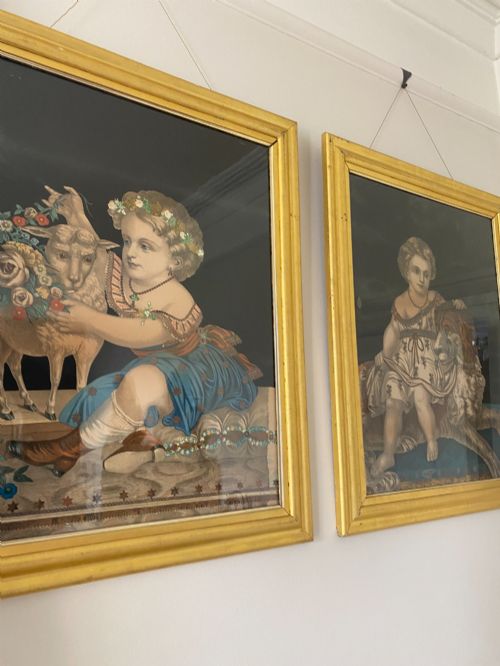
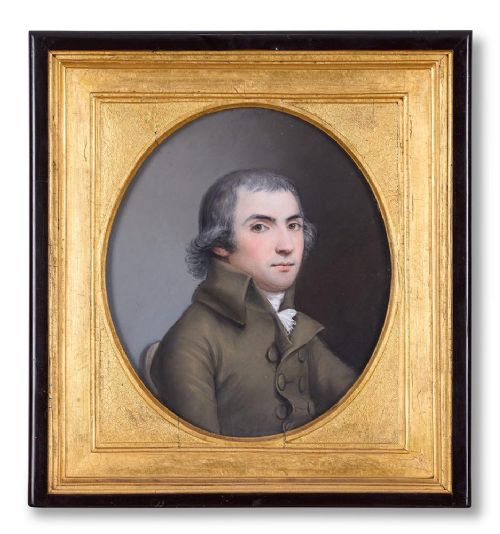
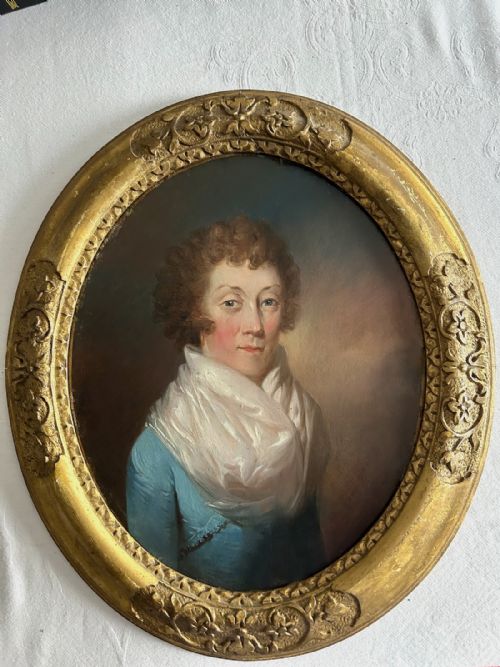
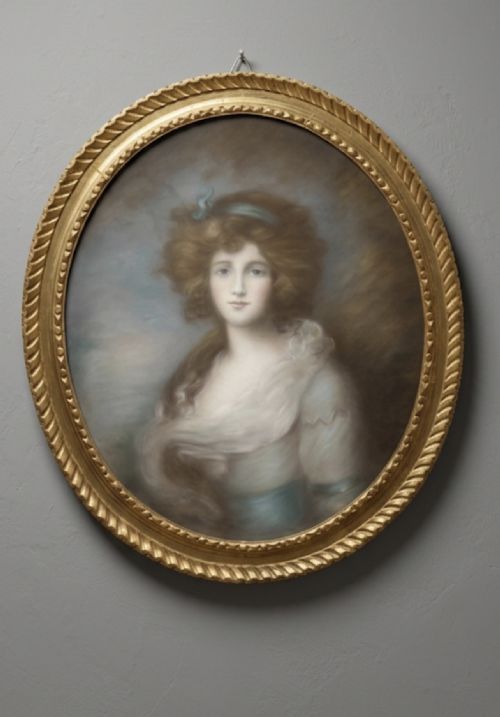
When you search for regency era portraits, you examine visual records of sitters spanning the Georgian, Regency, and early nineteenth century periods. These works capture specific individuals, ranging from distinguished gentlemen and society ladies to children and animals.
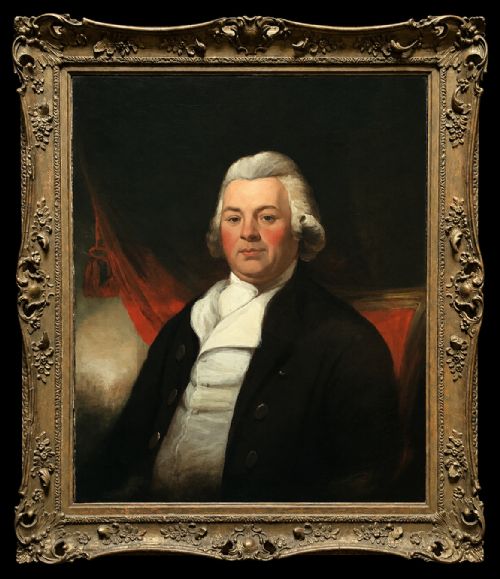
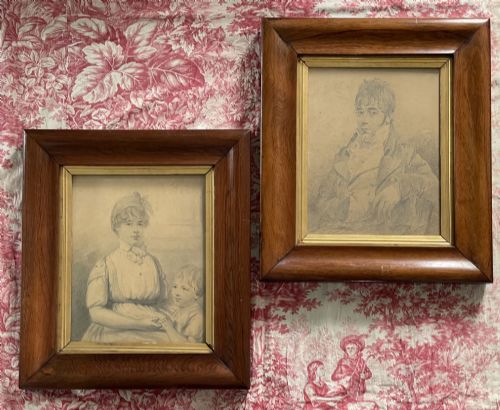
The selections on this page appear in various mediums, predominantly oil paintings on canvas alongside works on paper such as watercolours, pastels, and graphite drawings. Framed art pieces in this category often retain their original frames, showing the aesthetic preferences of the period.
Originating largely from British and European schools, these portrait paintings reflect the stylistic nuances of English Regency, French Empire, and Biedermeier traditions. You encounter both formally executed commissions by notable artists and more intimate folk art representations.
How they were made
Artists of the period painted primarily with oil on canvas, building rich colour layers and textures that define traditional fine art paintings. Watercolour and gouache on paper offered a lighter, more immediate medium often utilised for miniature studies and preparatory sketches.
Draftsmanship played a central role, with graphite and pencil drawings capturing fine details of expression and costume before any pigment was applied. Pastels provided artists with a direct method of applying soft colour and tone directly to paper supports.
Framing completed the construction, utilising carved wood, giltwood, and glass to protect and present the artwork. Some pieces incorporate metal embellishments or specialised enclosures like snuff boxes to house miniature portraits.
Regency Era Portraits Retail Price Guide 2026
Typical asking prices for regency era portraits among the pieces listed under this phrase on Sellingantiques today, from the lower quarter to the upper quarter. They describe what is for sale here now, not the wider market.
Subject matter ranges from formal aristocratic commissions and naval officers to children, dogs, and domestic family scenes.
What varies in quality
The skill of the hand dictates the primary distinction between works, separating academic mastery from naive or primitive execution. Accomplished artists handle anatomy, light, and psychological depth with precision, whereas folk art examples rely on charm and directness.
Material preservation significantly influences the standing of a piece, including the stability of the canvas, the vibrancy of the pigments, and the absence of heavy restoration. Works on paper require careful preservation to prevent fading and foxing.
The quality of the associated framing contributes to the overall integrity of the piece, with period giltwood frames enhancing the visual context of the artwork. Original mounts and intact backing materials maintain the historical completeness of the object.
SIR WILLIAM BEECHEY R.A·MARGARET SARAH CARPENTER·George Watson·Thomas Gainsborough·Samuel Raven·Sir Thomas Lawrence·James Ward Ra·George Perfect Harding·William Robinson·John Opie·Stephanus Chiantor·Henry Hoppner Meyer·John Russell RA·George Clint
The Regency Era Portraits Glossary
- Oil on Canvas
- Pigment mixed with a drying oil applied to a stretched woven fabric support. This combination allowed artists to achieve rich tonal gradations and durable surfaces.
- Giltwood
- Wood carved and coated with gold leaf or a gold-coloured metallic finish. It frames many fine art pieces from this era to reflect candlelight and add opulence.
- Pastel
- A dry drawing medium composed of powdered pigment and a binder. It creates soft, velvety surfaces that require glass protection.
- Miniature Watercolour
- A small-scale painting executed in water-soluble pigments on paper or ivory. These portable portraits often commemorated family members or public figures.
- Gouache
- An opaque water-based paint containing pigment and a binding agent such as glue. It yields solid, matte areas of colour in works on paper.
Regency Era Portraits: Frequently Asked Questions
What mediums were used for portraits?
Portraits from this era utilise oil on canvas as the primary medium for major commissions, offering depth and longevity. Artists also worked extensively on paper using watercolour, gouache, pencil, and pastel.
These works on paper frequently served as preparatory studies or intimate personal likenesses. Framed drawings and miniatures provided a more portable alternative to large canvas paintings.
How do I identify a Regency portrait?
Stylistic indicators include the specific clothing, hairstyles, and framing typical of the early nineteenth century. Sitters often wear neoclassical attire, high-waisted dresses, or formal military uniforms.
Attribution often relies on signatures, inscriptions on the reverse, or stylistic comparison with documented works by contemporary artists. Period frames made of giltwood also help contextualize the date of the piece.
Where were these portraits displayed?
Large oil paintings hung in the reception rooms and galleries of country houses and town residences to project family status. Smaller watercolours and drawings were kept in private rooms, libraries, or carried as pocket miniatures.
Family groupings and individual likenesses served as central focal points for domestic interior decoration during the period. They often remained within families for generations before entering the art market.
How should I care for a portrait?
Works require placement away from direct sunlight and excessive humidity to prevent fading and material degradation. Canvas paintings benefit from stable indoor temperatures and minimal exposure to dust.
Works on paper demand particular care behind glass with acid-free backing to protect the delicate pigments. Professional conservation should be sought for any structural repairs or surface cleaning.