



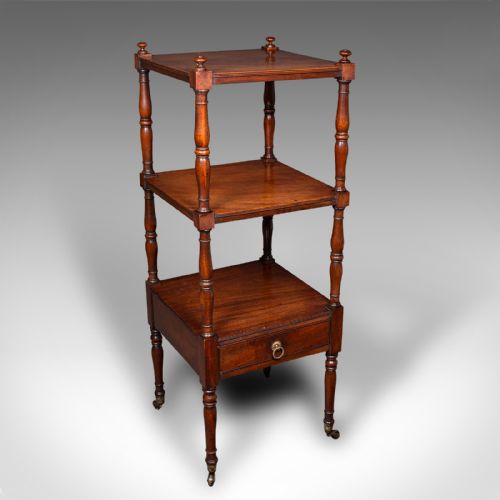


Regency Drawer Unit
A regency drawer unit brings architectural proportion and figured timbers to a room, offering functional storage with the characteristic refinement of the period.
Regency Drawer Unit
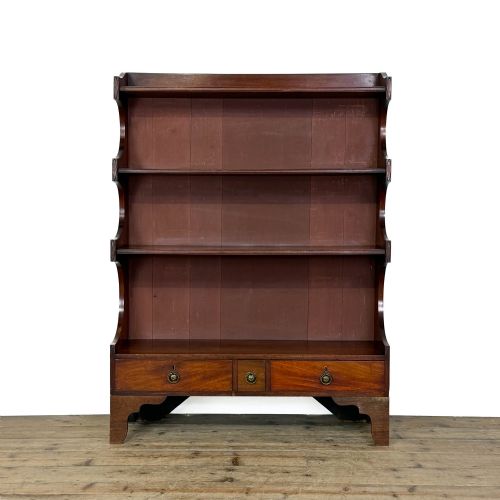
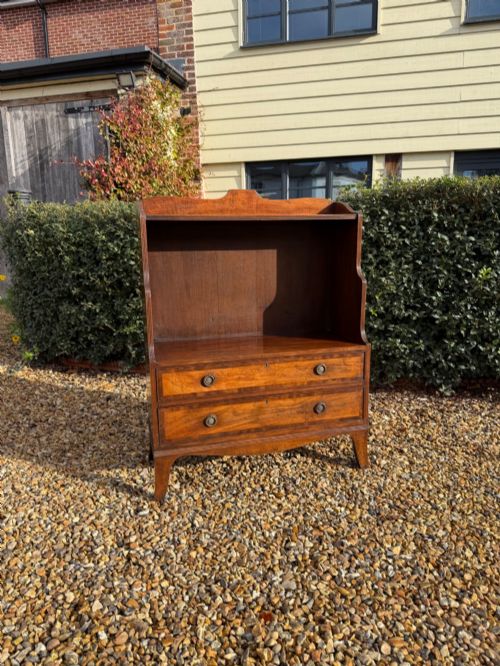
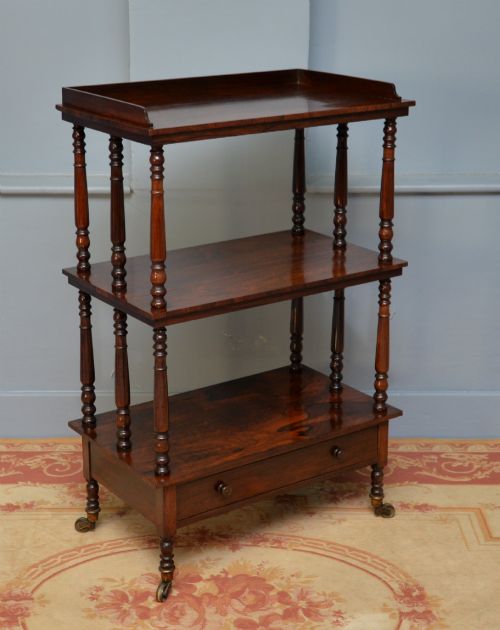
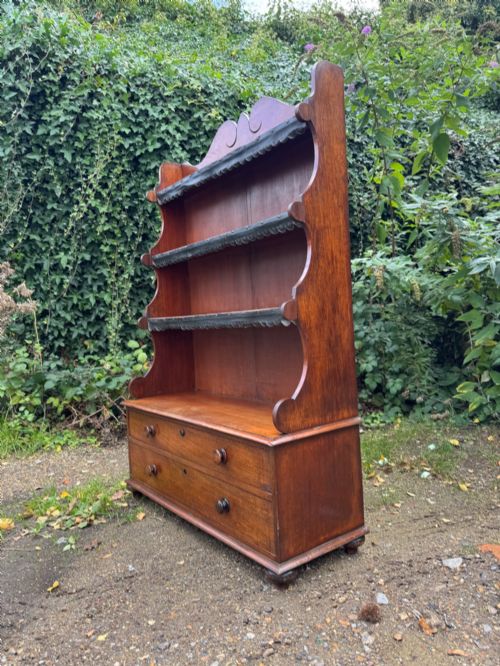
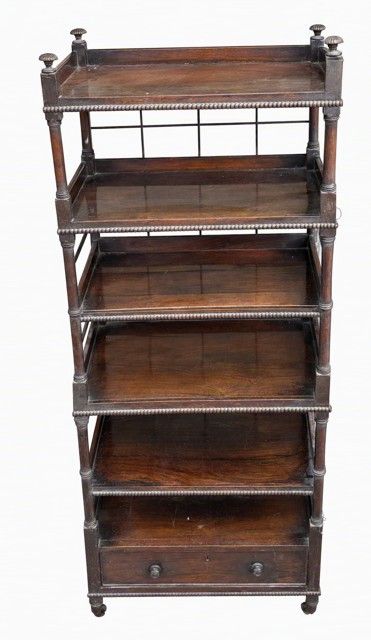
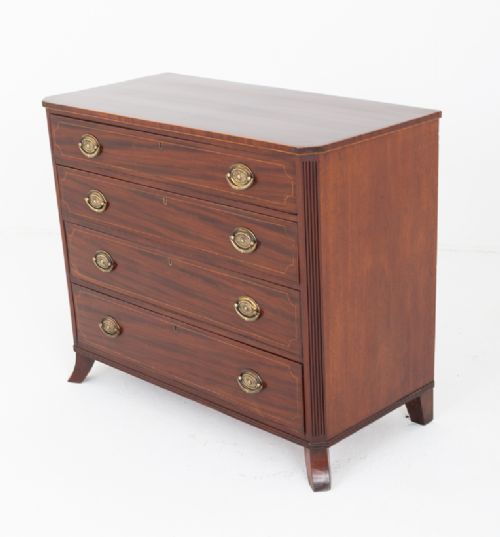
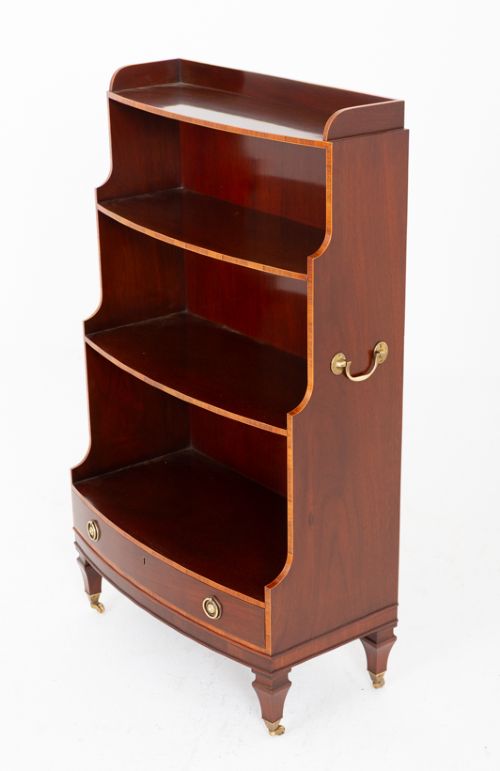
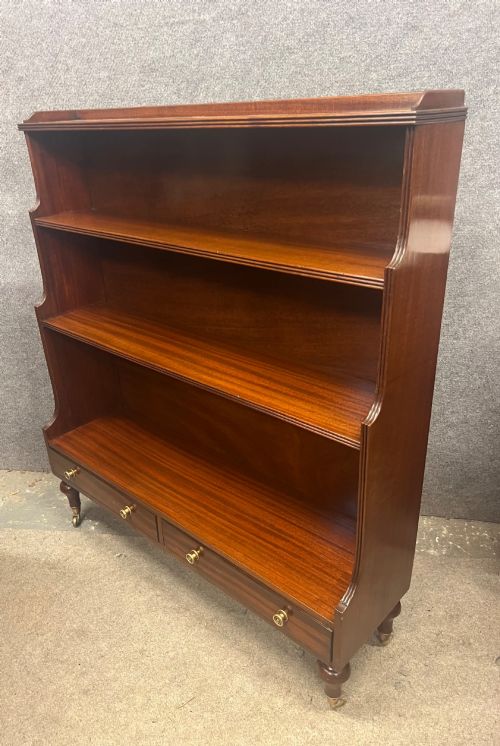
Chest of drawers configurations dominate the offerings, appearing in four-drawer and five-drawer formats, occasionally utilising a two-part design for easier transport. Alongside these, tiered whatnots, open bookcases, and waterfall shelving units provide alternative approaches to compartmentalised storage and display.
The aesthetic vocabulary encompasses George III, George IV, and Victorian revivals alongside strict Regency designs. Woods such as mahogany, rosewood, walnut, satinwood, and gonçaloalvez define the surface appearance across these diverse functional forms.
Markers of distinction
Evaluation rests upon the selection of timber figures and the precision of decorative inlays, where finely figured mahogany or exotic rosewood elevates a piece above standard utility items. The integration of satinwood banding and crisply turned columns indicates superior craftsmanship.
Structural integrity reveals itself in the dovetail joints of the drawers and the crispness of mouldings around the frame. Original brass hardware and undamaged veneer surfaces distinguish untouched examples from heavily restored or later revival pieces.
Regency Drawer Unit Retail Price Guide 2026
Typical asking prices for regency drawer unit among the pieces listed under this phrase on Sellingantiques today, from the lower quarter to the upper quarter. They describe what is for sale here now, not the wider market.
One exceptional nineteenth-century piece records the exact maker and date on its cabinet: Charles William Schofield, July 1827.
Charles William Schofield
The Regency Drawer Unit Glossary
- Whatnot
- An open shelving unit with multiple tiers supported by slender upright columns, designed for displaying ornaments or books. Examples range from three-tier stands to six-tier rosewood constructions.
- Waterfall bookcase
- A set of open shelves where each tier steps back progressively from the one below, creating a silhouette resembling cascading water. These units frequently incorporate graduated book shelves and occasional drawers.
- Cellarette
- A fitted subterranean compartment or box incorporated into furniture for holding wine bottles securely. This feature appears within nineteenth-century mahogany whatnots.
- Gonçalo-alvez
- A dense, highly figured tropical hardwood displaying striking dark brown and golden-brown contrasting stripes. Cabinet makers utilised this decorative timber for high-status side cabinets.
- Line inlay
- A narrow strip of contrasting lighter wood, such as satinwood, embedded flush into the primary timber surface to form delicate geometric borders.
Regency Drawer Unit: Frequently Asked Questions
What is a regency drawer unit?
A regency drawer unit encompasses freestanding chests of drawers, tiered whatnots, and side cabinets dating from the early nineteenth century or created in the subsequent revival styles. These pieces emphasise clean neoclassical lines, rich timber grains, and practical compartmentalised storage.
They serve as functional storage furniture that doubles as a decorative focal point in both traditional and contemporary interiors.
How do I identify a genuine piece?
Examination of the timber, construction methods, and hardware provides the clearest indication of period authenticity. Genuine pieces typically exhibit hand-cut dovetails, secondary softwood or oak drawer linings, and traditional polish finishes.
Comparing the stylistic markers against documented George III, Regency, and George IV design books helps confirm the manufacturing era.
Where should I place a whatnot?
Whatnots and tiered shelving units function well in living rooms, studies, or hallways where open display space is advantageous. Their slender columns and stepped tiers allow them to fit into corners or against walls without dominating the floor area.
Avoid placing them in areas subject to direct sunlight or rapid humidity changes to protect the delicate wood veneers.
How do I care for mahogany furniture?
Regular dusting with a soft, dry cloth prevents particulate accumulation on polished mahogany and rosewood surfaces. Occasional application of appropriate beeswax feeds the timber and maintains a deep lustre without sealing the pores.
Keep pieces away from direct heat sources to prevent the wood veneer from drying out or lifting over time.