



Regency Dining Room Cabinet
A regency dining room cabinet brings architectural dignity and sober timber to a room, offering deep drawers and cupboards designed for formal hospitality.
Regency Dining Room Cabinet
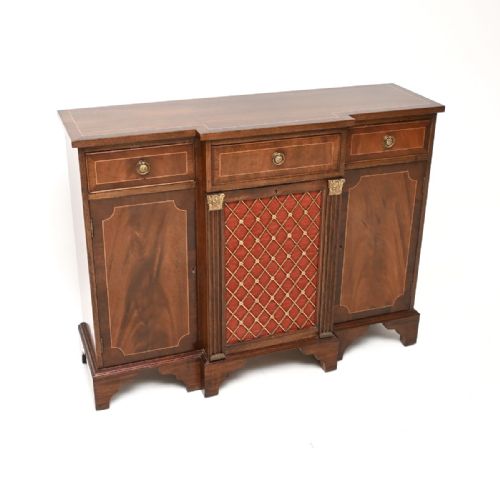
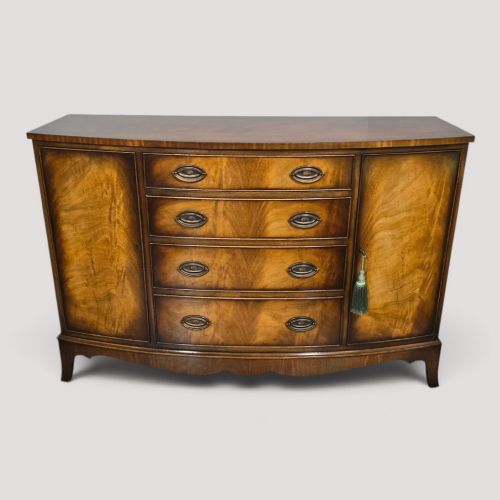
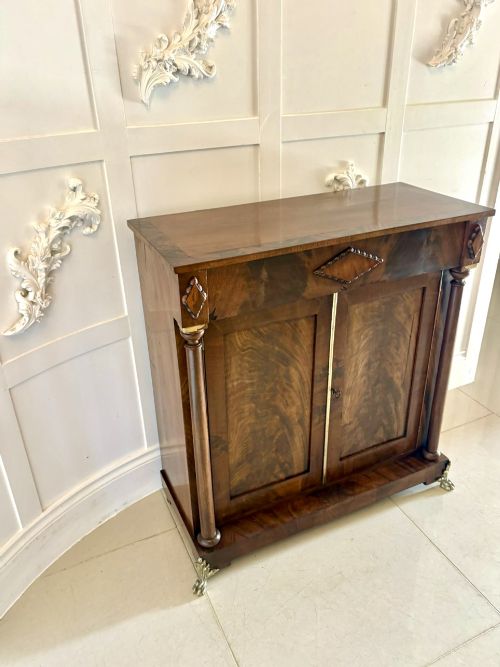
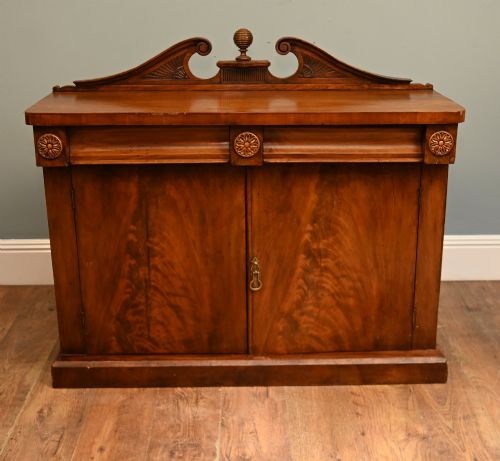
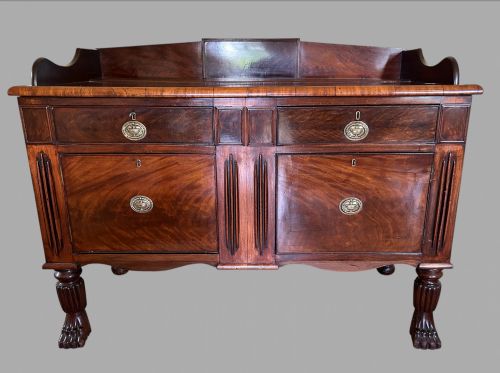
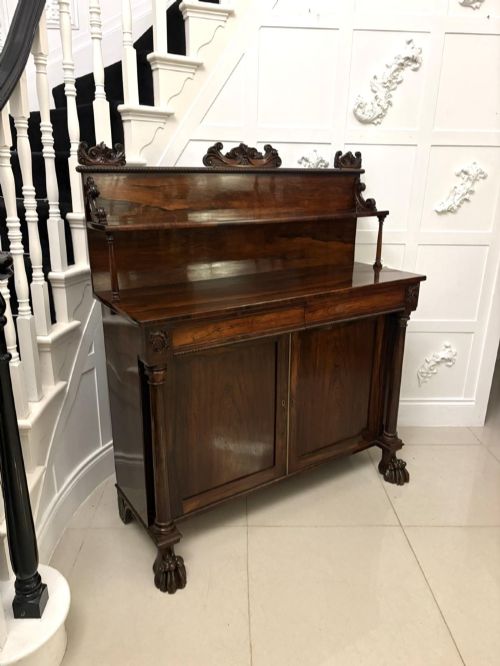
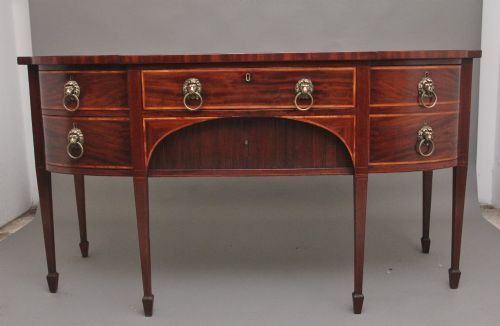
When you search for a regency dining room cabinet, you enter a world of formal dining furniture spanning sideboards, chiffoniers, and serving pieces. The pieces on this page lean heavily toward sideboards and chiffoniers rooted in the nineteenth century, Georgian era, and William IV period.
The most common version you will meet is the mahogany sideboard, often featuring a bow front, flame veneer, or pedestals. Alongside these stand rosewood and brass-inlaid chiffoniers that served similar functions for storage and display in period interiors.
Makers and makers of the era utilised classical proportions and substantial timber forms to anchor the dining room. Whether listed under Regency, Late Georgian, or William IV, these objects share a utilitarian purpose wrapped in restrained elegance.
Materials and construction
The dominant material across these listings is mahogany, frequently selected for its deep grain and enhanced through flame mahogany veneer. Cabinetmakers applied boxwood and satinwood inlay to linear borders, creating sharp contrasts against the dark timber base.
Rosewood appears in select chiffoniers and sideboards, offering a denser purple-brown tone than mahogany. Brass mounts, brass inlay, and fabric panels within door grilles complete the primary repertoire of materials recorded in the evidence.
Regency Dining Room Cabinet Retail Price Guide 2026
Typical asking prices for regency dining room cabinet among the pieces listed under this phrase on Sellingantiques today, from the lower quarter to the upper quarter. They describe what is for sale here now, not the wider market.
Materials recorded across the inventory include solid mahogany, flame mahogany veneer, rosewood, brass, boxwood, satinwood, and fabric.
Distinctions in quality
Quality in a regency dining room cabinet rests upon the selection of timber figures and the precision of the cabinetwork. Pieces utilising highly figured flame mahogany or dense rosewood display a depth of grain that plain timber lacks.
The integration of decorative details such as fine boxwood inlay, satinwood banding, and cast brass work separates standard utility pieces from finer examples. Structural form also dictates the tier, with pedestal sideboards and drop-well designs demanding greater joinery skill than flat-front carcases.
The Regency Dining Room Cabinet Glossary
- Sideboard
- A large dining room cabinet fitted with drawers and cupboards for storing silver, linen, and china. It serves as the primary surface for serving food during formal meals.
- Chiffonier
- A lower cabinet featuring enclosed shelving behind doors, frequently topped with a small mirror or raised back. It developed during the nineteenth century as a versatile room storage piece.
- Flame mahogany
- A veneer cut from the fork of the mahogany tree where the branches join the trunk. This cutting method yields a distinctive undulating flame pattern across the cabinet front.
- Pedestal sideboard
- A form consisting of two distinct pedestals connected by a central recess or board. This architectural layout draws directly from classical Roman design principles.
- Cellarette
- A specialised cabinet or standalone container designed to hold wine bottles securely. They often feature lead linings and internal dividers for individual bottles.
Regency Dining Room Cabinet: Frequently Asked Questions
What is a regency dining room cabinet used for?
These cabinets were built to support formal dining by storing cutlery, glassware, linens, and wine bottles. Their tops provided space for serving dishes and displaying silver during meals.
Today they function as sideboard storage units in dining spaces or as statement credenzas in larger living rooms.
How do I tell a sideboard from a chiffonier?
Sideboards are generally larger, wider units designed specifically for the dining room with multiple central drawers flanked by cupboards. They emphasise length and surface serving area.
Chiffoniers are typically more compact cabinets with enclosed lower doors, sometimes featuring a raised shelf or gallery at the back for display.
What wood was used for these cabinets?
Mahogany is the primary timber found across these listings, often utilised both as solid wood and as decorative flame veneer. Rosewood also appears in select refined pieces.
Cabinetmakers accented these dark primary woods with contrasting inlay lines made from boxwood and satinwood.
How can I identify the period of the cabinet?
Dating relies on stylistic markers such as classical architectural motifs, brass inlay, and pedestal proportions associated with the Georgian, Regency, and William IV eras. Timber selection and leg configuration also point toward specific decades.
Later nineteenth-century and early twentieth-century interpretations often reproduce these earlier forms with subtle differences in timber finish and construction weight.