






Regency Decor
Regency decor brings together the refined neoclassical elegance, rich gilding and classical motifs of the early nineteenth century to transform domestic interiors.
Regency Decor
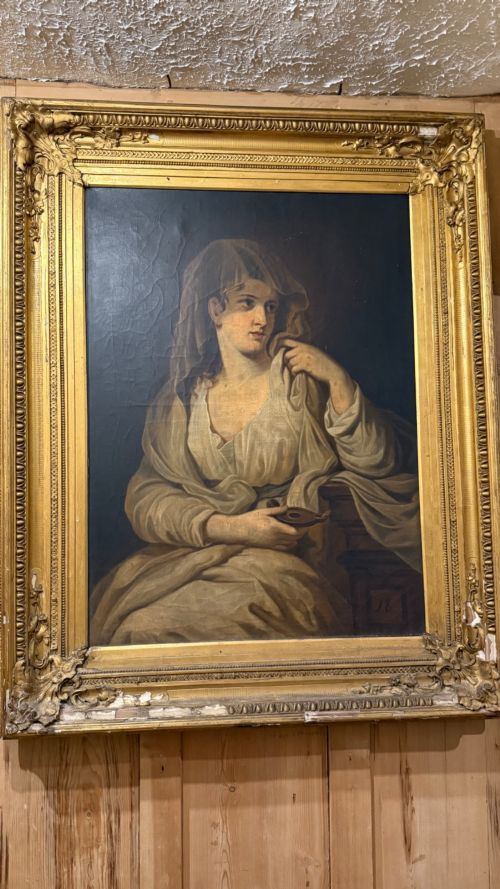
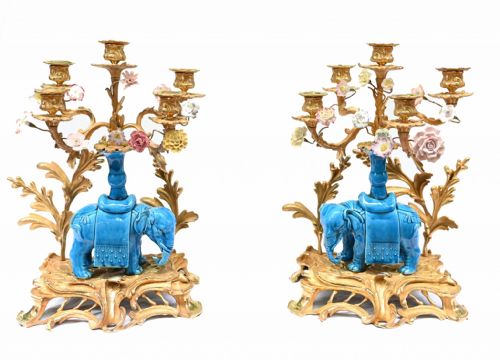
When you search for regency decor, you encounter a selection of objects originating from the late eighteenth century through to the Victorian era, with a strong concentration of pieces from the Regency and Georgian periods. These items range from oil paintings on canvas and framed hand-coloured engravings to gilt bronze candlesticks, porcelain spill vases, and toleware chestnut urns.
The most common forms on this page include pairs of candlesticks, framed prints depicting sporting or natural history scenes, and decorative bowls or vases created in styles spanning Neoclassical, French Empire, and William IV. Makers and artists represented include figures like William Bird, Sir William Beechee, George Romney, and Miles Mason.
Buyers select these objects to introduce period character into a room, utilising items that functioned historically as lighting, wall art, or display pieces in affluent homes.
Materials and construction
The construction of these pieces relies heavily on traditional artisan techniques involving metal, ceramic, and timber. Giltwood, brass, bronze, and Old Sheffield Plate form the basis of the lighting and sculptural metalwork, often combined with marble plinths or cast details.
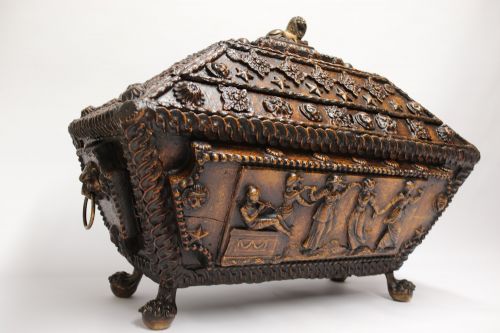
Ceramics and glass items utilise porcelain, ironstone, and amber glass, decorated with hand-painting or transfer printing. Paper, gold leaf, paint, and oil on canvas sustain the works of art, engravings, and gesso decorated caskets found within the inventory.
Regency Decor Retail Price Guide 2026
Typical asking prices for regency decor among the pieces listed under this phrase on Sellingantiques today, from the lower quarter to the upper quarter. They describe what is for sale here now, not the wider market.
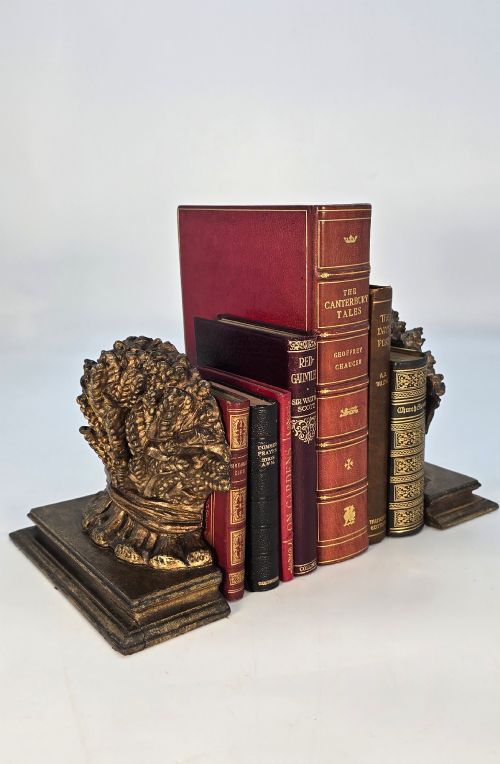
Object forms span functional lighting like candlesticks and candelabras alongside decorative bowls, wall art, and books.
Evaluating quality and execution
The quality of these objects rests upon the precision of the casting, the fidelity of the hand-colouring on prints, and the finesse of the brushwork in oil portraits. Superior pieces display crisp detail in sculptural elements like bronze foliage or animal figures, alongside well-preserved gilding and original surface patination.
Lesser examples show softer definition in moulded or cast forms and later retouched surfaces. Original components, such as matching pairs of candlesticks or uniform sets of engravings, elevate the standing of an item compared to mismatched or incomplete assemblies.
Spode Porcelain·William Bird·Sir William Beechey·George Romney·William Daniell·Miles Mason·Henry Corbould·Joseph Gott·John Partridge
The Regency Decor Glossary
- Giltwood
- Wood that has been coated with gold leaf or gold paint. This technique creates a luminous surface frequently utilised on ornate mirror frames and decorative mouldings.
- Toleware
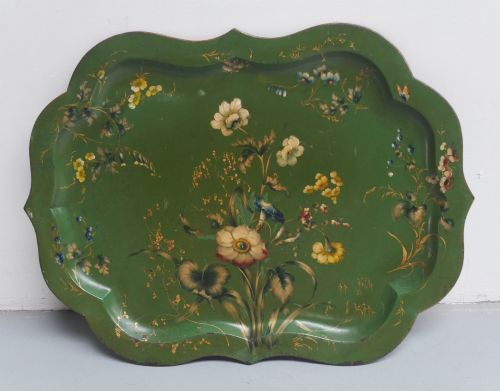
- Enamelled or lacquered metalware, typically iron, painted with decorative motifs. These items include bowls and chestnut urns originating from the nineteenth century.
- Intaglios
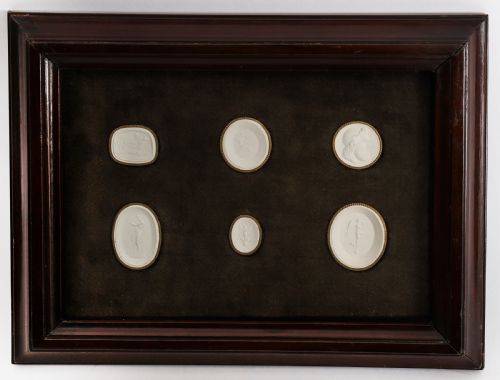
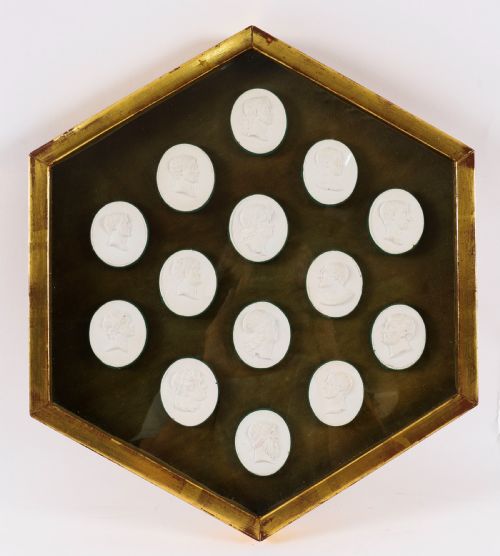
- Gems or seals carved in intaglio, where the design is incised below the surface. Grand Tour examples consist of collections set into frames for study and display.
- Campana
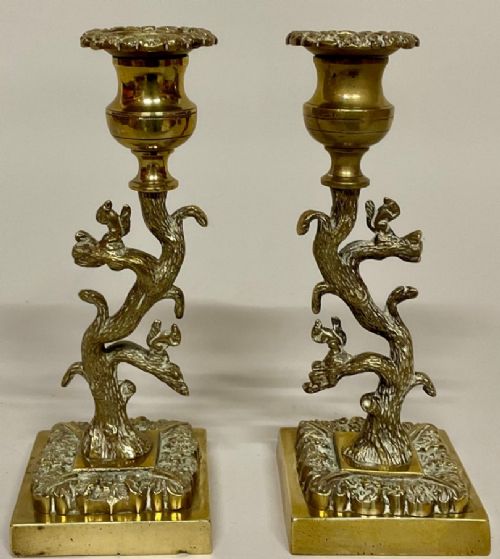
- A bell-shaped vessel form commonly seen on classical urns and the sconces of period candlesticks. The silhouette derives from ancient Roman bronze and marble prototypes.
- Glass Lustres
- Ornamental mantelpiece glass vases hung with cut glass prisms or droplets. They reflect candlelight to illuminate nineteenth-century rooms.
Regency Decor: Frequently Asked Questions
How do I style regency decor in a modern home?
Integrate these pieces by placing gilt bronze candlesticks on a mantelpiece or hanging framed architectural and sporting engravings in a hallway. Mixing metalwork with wood furniture establishes an authentic period atmosphere.
Allow individual objects, such as a toleware bowl or an oil painting, to serve as focal points within a room rather than crowding surfaces.
What is the difference between Regency and Victorian pieces here?
Regency items date roughly from the first decades of the nineteenth century, adhering closely to Neoclassical and French Empire design principles with restrained classical motifs. Victorian pieces reflect later nineteenth-century tastes, often featuring heavier ornamentation and different revival styles.
Examining the casting quality, framing methods, and any recorded dates helps determine whether an object belongs to the Regency era or the subsequent Victorian period.
How were brass and bronze candlesticks used originally?
Candlesticks and candelabras provided essential illumination in domestic interiors before the advent of gas and electric lighting. They were positioned on tables, mantelpieces, and sideboards to cast light during evening gatherings.
Pairs were typically arranged symmetrically to balance the appearance of a room, functioning as decorative objects even when unlit.
What subjects do the framed prints and paintings feature?
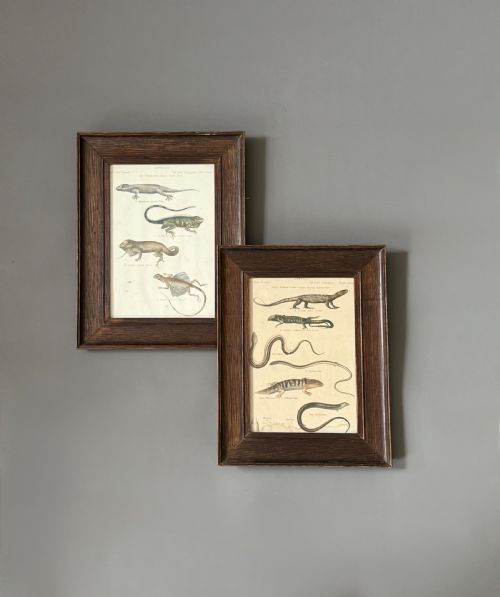
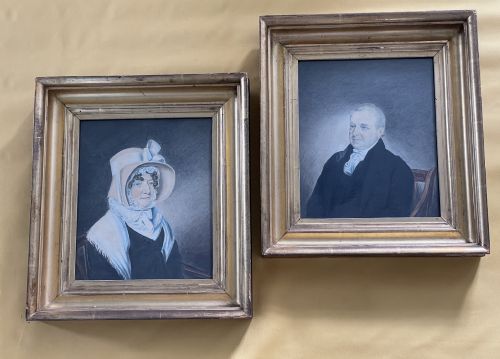
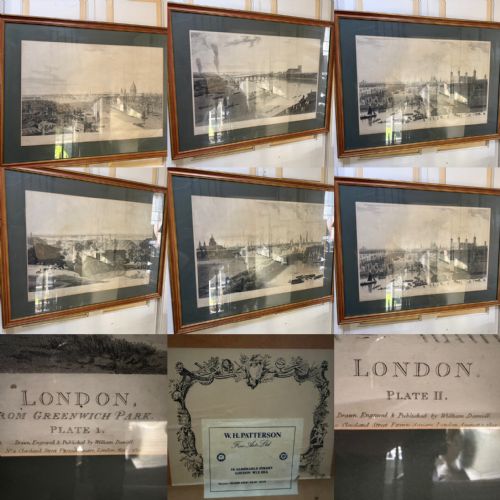
The artwork encompasses portraiture of notable figures, natural history illustrations including reptiles, and topographical engravings of London views. Sporting scenes, such as fox hunting and tandem carriage driving, also appear frequently.
These subjects reflect the interests of nineteenth-century collectors, travellers on the Grand Tour, and landowners documenting their estates and pursuits.