



Regency Bronze Vases
Regency bronze vases bring classical antiquity straight into the room, offering heavy cast metal forms shaped by neoclassical taste.
Regency Bronze Vases
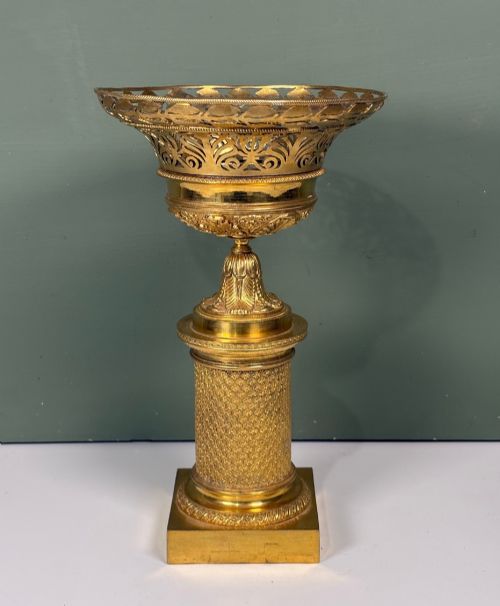
When you search for regency bronze vases, you find heavy metal vessels designed for classical display, often taking the form of campana-shaped urns or cassolettes from the nineteenth century. These pieces draw heavily on archaeological discoveries and ancient Roman or Greek precedents.
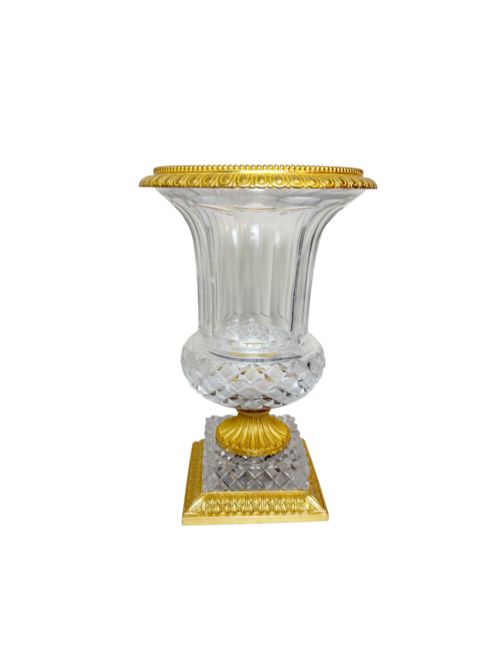
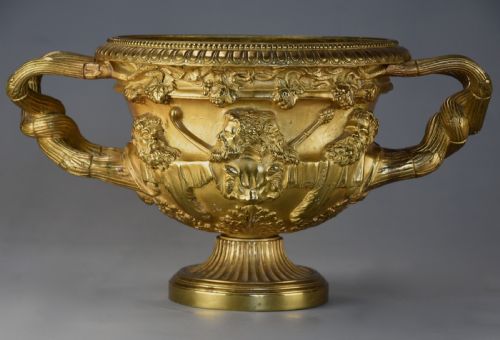
The versions you meet most frequently on this page include pairs of classical urns mounted on marble plinths, alongside reduction models of famous antiquities like the Warwick Vase. Many examples blend cast metal with contrasting bases or incorporate covers designed to reverse into candle nozzles.
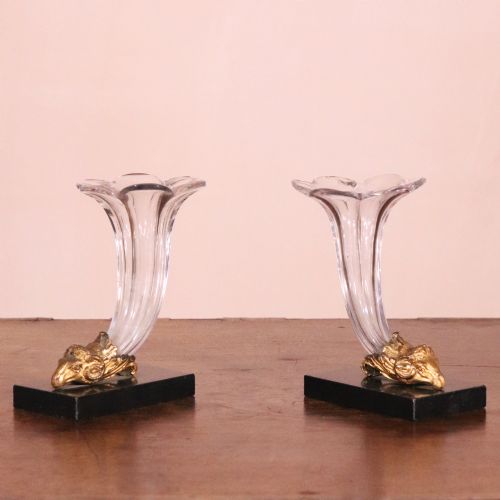
Makers of the period also adapted these classical vessels into decorative lamps or paired them with glass cornucopias, shifting their function while keeping the rigorous neoclassical silhouette intact.
How they were made
Craftsmen cast these vessels in bronze, frequently applying gilt bronze or ormolu highlights to accentuate handles, rims, and classical reliefs. The chasing work gives crisp definition to leaf motifs and classical figures cast in the metal.
Many of the surviving pieces mount the cast bronze directly onto heavy marble or alabaster plinths, anchoring the composition with polished stone. Some nineteenth-century examples combine the metalwork with turned glass or ceramic bodies.
Regency Bronze Vases Retail Price Guide 2026
Typical asking prices for regency bronze vases among the pieces listed under this phrase on Sellingantiques today, from the lower quarter to the upper quarter. They describe what is for sale here now, not the wider market.
Listings feature bronze, gilt bronze, ormolu, marble, glass, and alabaster across nineteenth-century styles including Regency, Neoclassical, and Gothic Revival.
What varies in quality
Quality rests in the crispness of the bronze casting and the precision of the subsequent hand-chasing, which separates sharp architectural detail from softer, blurred ornamentation. Finer examples retain rich, unrubbed fire gilt or deep, patinated bronze surfaces.
The quality of the secondary materials matters just as much, seen in the selection of heavily veined marble plinths and the structural integration between the metal vessel and its stone base.
The Regency Bronze Vases Glossary
- Ormolu
- Gilded bronze produced by applying a mercury and gold amalgam to the metal before heating. This technique creates a durable, warm metallic lustre found on finer nineteenth-century mounts.
- Campana
- A bell-shaped vessel form derived from ancient Roman pottery and stone wine mixers. This silhouette forms the primary profile for classical urns and cassolettes.
- Cassolette
- A decorative vase featuring a removable or reversible lid that functions either as a solid cover or a candle socket. These dual-purpose vessels were popular in neoclassical interiors.
- Reduction
- A smaller scale copy of a famous monumental sculpture or antique antiquity. Nineteenth-century founders produced these bronze reductions for Grand Tour travellers.
- Patination
- The surface coloration and ageing developed on bronze through oxidation and handling. A stable, dark patination indicates centuries of natural exposure and care.
Regency Bronze Vases: Frequently Asked Questions
What is a cassolette?
A cassolette is a classical decorative urn fitted with a reversible lid. One side provides a solid matching finish while the reverse holds a candle nozzle.
This clever design allowed wealthy owners to switch the function of the bronze vessel from an ornamental display piece to a light source.
How old are these vases?
The pieces listed date primarily from the nineteenth century, spanning the Regency period through to later Victorian revivals. Many draw on designs created decades earlier during the height of neoclassical taste.
Exact dating relies on the casting technique, the style of the bronze patination, and the material of the accompanying plinths.
Can I use them as lamps?
Some period bronze vases were converted into table lamps during the nineteenth century or later eras. These adapted pieces retain their classical urn or vase body while housing electrical wiring.
Other examples remain in their original decorative configuration as static sculptural objects for a mantelpiece or side table.
What is the Warwick Vase?
The Warwick Vase is a monumental Roman marble krater discovered at Hadrian's Villa and later brought to England. Nineteenth-century bronze makers produced reduced replicas of this famous antiquity for collectors.
These bronze reductions capture the detailed Bacchic masks and vine wreaths of the original ancient sculpture in a domestic scale.