



Regency Bronze Ornaments
Regency bronze ornaments bring classicism home through disciplined cast metal figures, inkstands, and cassolettes shaped by nineteenth-century workshops.
Regency Bronze Ornaments
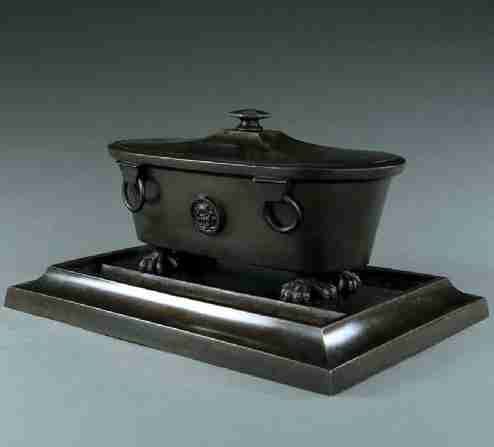
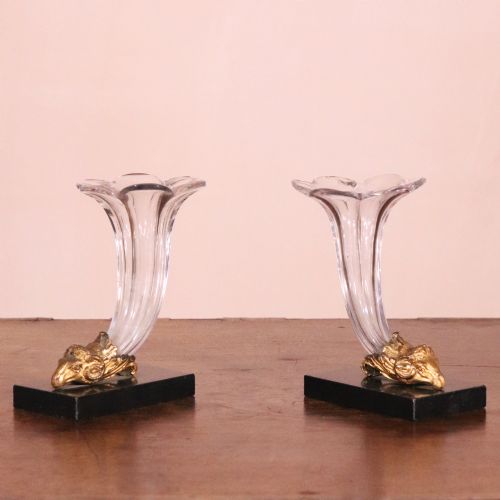
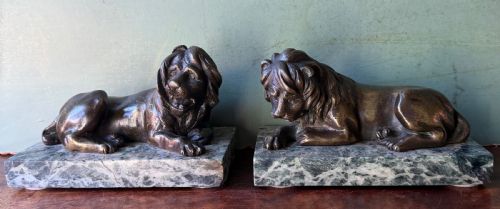
Most items reflect Neoclassical, Egyptian Revival, or Grand Tour tastes. You are likely to meet pairs of recumbent sphinxes on marble plinths, campana-shaped cassolettes, seated lions, and decorative ewers.
Forms range from utilitarian desk pieces like inkwell stands to sculptural models of animals, historical busts, and miniature artillery. These objects often combine cast metal with stone bases or glass components.
Materials and construction
Pieces are primarily constructed from bronze, ormolu, and patinated metal, frequently paired with Sienna marble or veined marble blocks. Gilt bronze accents and cast brass details appear alongside timber and glass elements.
Foundries utilised traditional casting techniques to shape animal figures, classical campana vessels, and architectural plinths. Surfaces display both dark patination and bright ormolu gilding to create visual contrast on decorative objects.
Regency Bronze Ornaments Retail Price Guide 2026
Typical asking prices for regency bronze ornaments among the pieces listed under this phrase on Sellingantiques today, from the lower quarter to the upper quarter. They describe what is for sale here now, not the wider market.
A cast metal puppy quietly stands guard among classical sphinxes, proving that nineteenth-century desk ornaments did not take themselves too seriously.
Judging quality in metalwork
The integration between the cast metal and its stone support indicates standard of manufacture. Well-executed pieces feature tightly fitted marble bases, harmonious gilding, and controlled patination that ages evenly.
Vulliamy
The Regency Bronze Ornaments Glossary
- Ormolu
- Gilded bronze produced by applying a mercury and gold amalgam to a bronze base and heating it. This technique creates a durable, golden surface finish popular on neoclassical decorative objects.
- Cassolette
- A decorative vessel shaped like a vase or urn featuring a reversible lid. One side functions as a solid cover while the reverse acts as a candleholder or burner.
- Patination
- The surface colour and texture developed on bronze through age or chemical treatment. Dark patination provides a contrast to polished highlights and gilt details.
- Campana
- A vase form modelled after ancient Roman bell-shaped vessels. These pieces typically feature flared rims and footed pedestals.
- Tazza
- A shallow saucer or cup elevated on a stem and foot. In nineteenth-century collections, these objects served primarily decorative display functions.
Regency Bronze Ornaments: Frequently Asked Questions
What are regency bronze ornaments?
These pieces comprise nineteenth-century cast metal sculptures, inkstands, cassolettes, and decorative vessels produced during the Regency and Victorian eras. They reflect classical, Egyptian Revival, and Grand Tour aesthetics.
Craftsmen combined bronze, ormolu, and patinated metal with marble bases to create objects for display and desk use.
How were these ornaments used?
Objects served both decorative and functional roles in nineteenth-century interiors. Inkstands and desk ornaments organised writing equipment in studies and libraries.
Figurative sculptures, cassolettes, and ewers acted as ornamental centrepieces on mantelpieces, tables, and cabinets.
How do I live with bronze ornaments?
Place bronze and marble pieces on stable, level surfaces away from direct moisture and heat sources. Dust gently with a soft, dry cloth to protect the patination and gilding.
Avoid chemical polishes on patinated surfaces to maintain the historical appearance of the metal.
How do I distinguish periods?
Regency and George IV examples lean heavily into strict Neoclassical and Egyptian Revival motifs, such as sphinxes, lions, and campana urns. Later nineteenth-century pieces often incorporate broader Victorian interpretations or Grand Tour influences.
Material combinations, such as Sienna marble plinths paired with early nineteenth-century casting styles, help indicate the likely decade of production.