
Regency Brass Pendant
A regency brass pendant brings weight and polish to a high ceiling through disciplined metalwork and light-catching glass.
Regency Brass Pendant
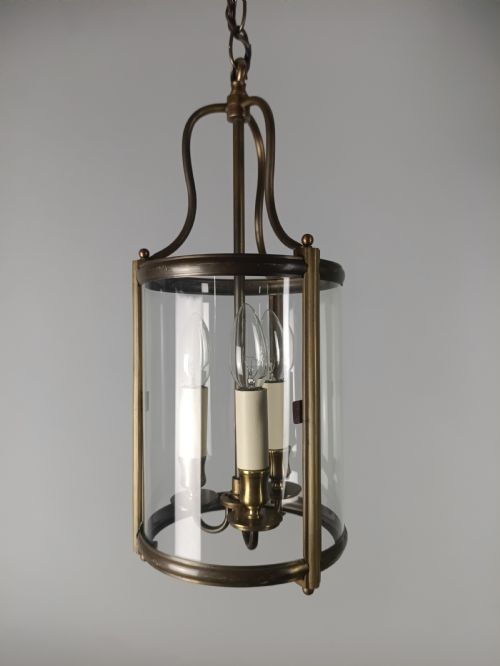
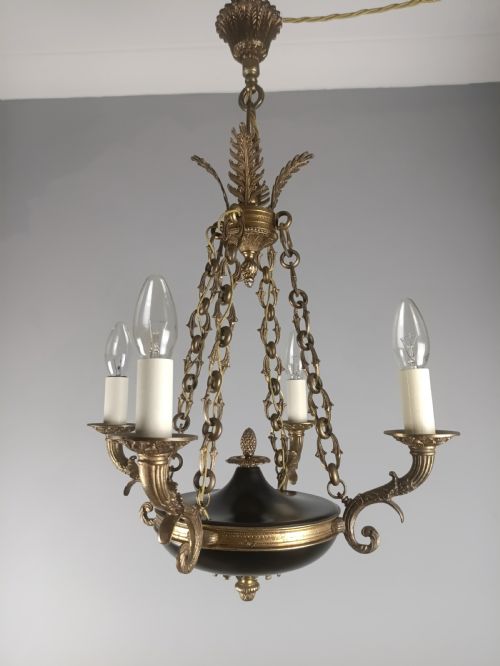
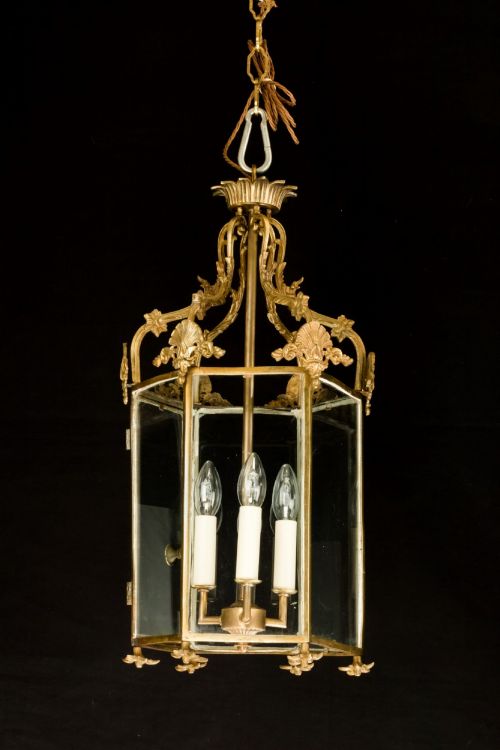
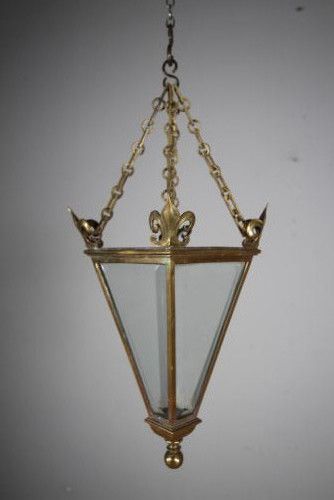
When you search for a regency brass pendant, you encounter hanging ceiling lights spanning various periods from the nineteenth century into the twentieth. These fixtures include hall lanterns, chandeliers, and pendant lights that incorporate brass work alongside glass elements.
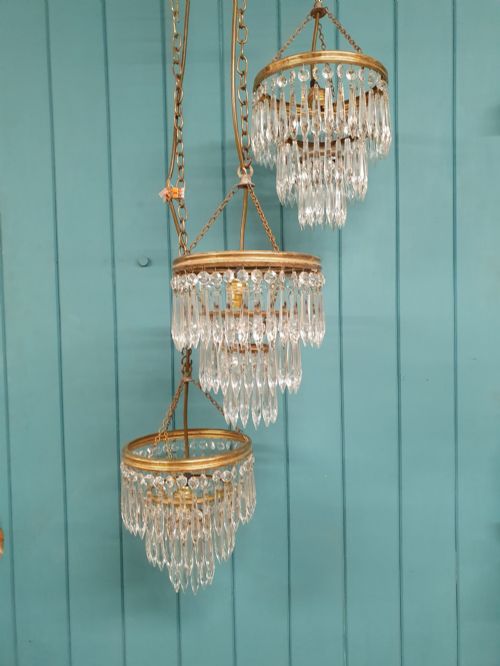
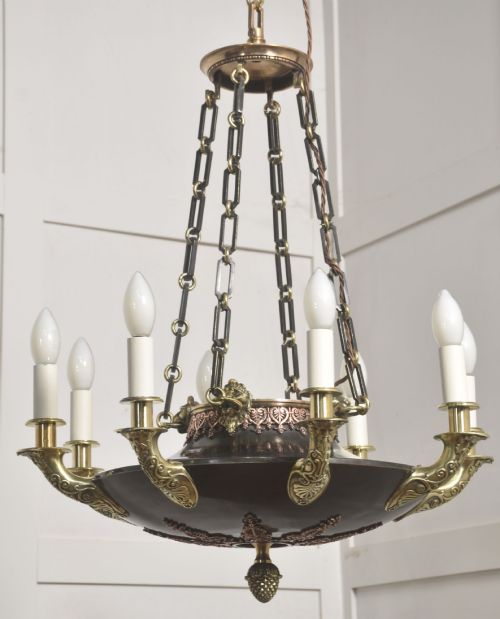
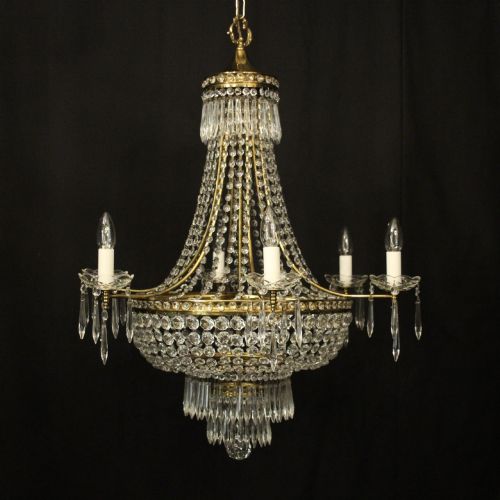
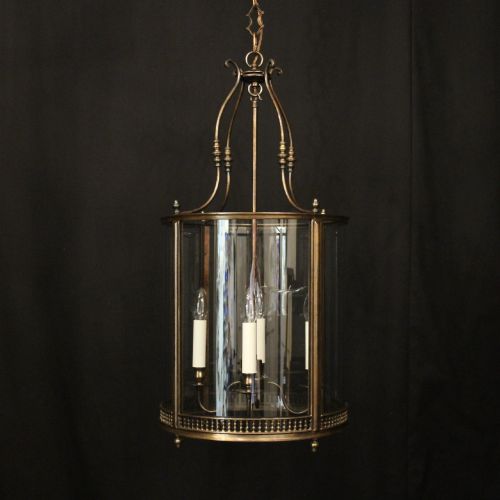
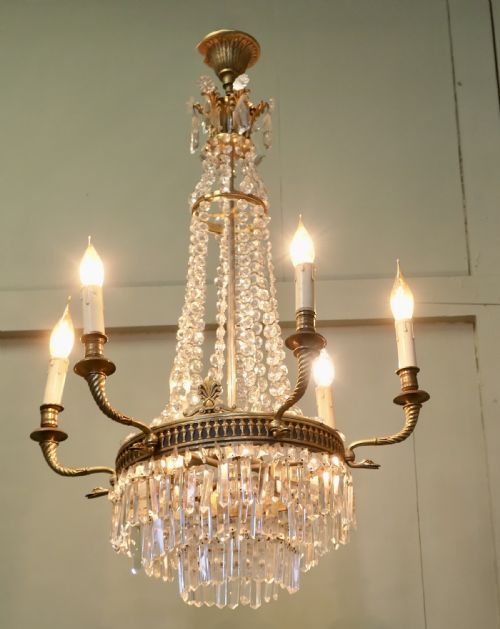
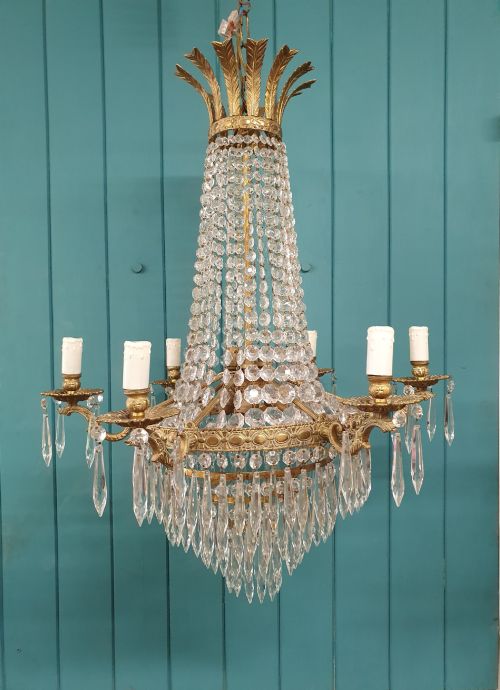
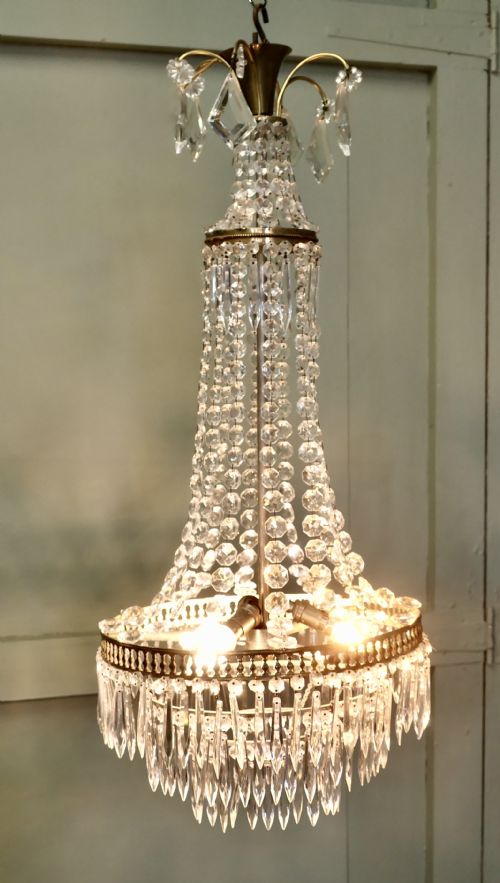
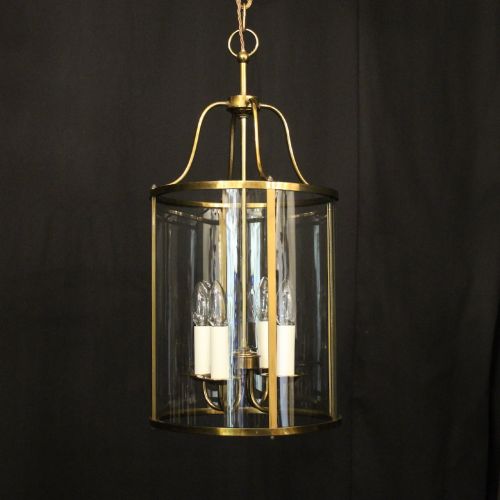
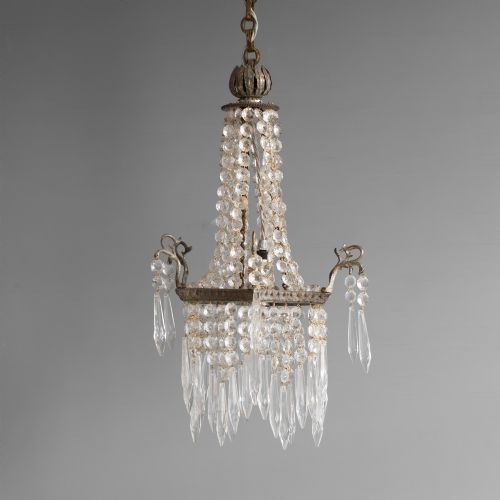
The selections on this page range from English convex hall lanterns to French Empire style chandeliers featuring tent and waterfall configurations. Many pieces utilise cut glass or crystal drops paired with gilded brass mounts and metal frames.
Makers and creators drew upon classical design languages, producing English neoclassical pieces alongside French chateau and Empire revival forms. You will find both single-light hanging lanterns and multi-armed chandeliers equipped with several light fittings.
Materials and construction methods
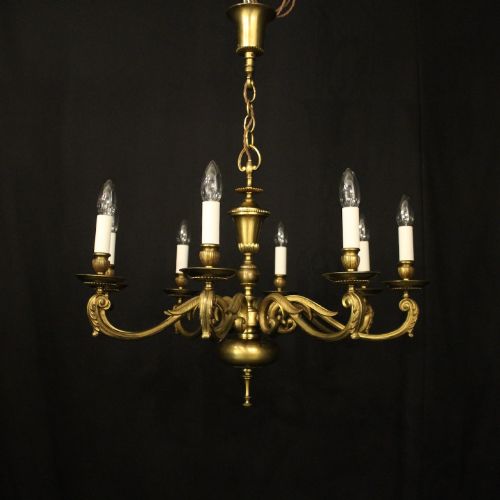
Construction relies heavily on cast and sheet brass, frequently gilded or polished to achieve a bright reflective surface. Metal frameworks support hand-blown glass, cut crystal drops, and prism bags that disperse illumination across a room.
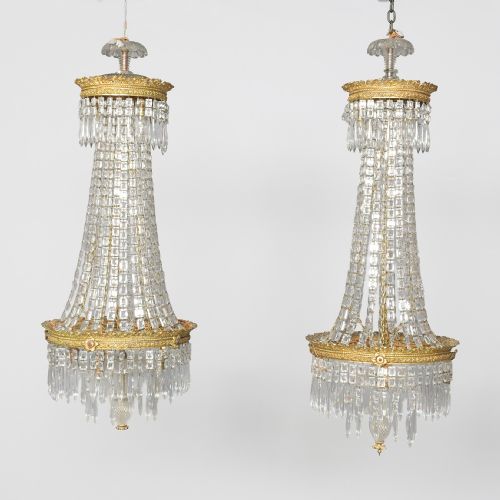
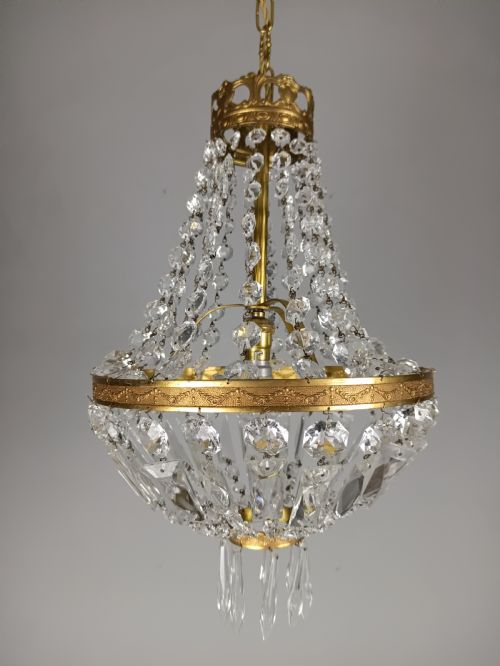
Workshops combined heavy brass mounts with delicate chains, swags, and leaf decorations fixed to upper rings. Lanterns often utilised convex glass panes secured within metal frames, whilst bag chandeliers suspended dense tiers of crystal drops from a central brass coronet.
Some tiny bag chandeliers measure a modest six inches across, proving that grand sparkle can arrive in miniature packages.
Assessing quality and craftsmanship
Quality reveals itself in the crispness of the brass casting and the depth of the metalwork, particularly around leaf decorations and mountings. Finer pieces demonstrate careful hand-cutting in the crystal drops and glass components, rather than simple pressed moulding.
The structural integration of the frame dictates how well a fixture hangs and supports its glass elements. Superior examples maintain balanced proportions across tent and waterfall tiers, with secure fixings that hold heavy glass components firmly in place.
The Regency Brass Pendant Glossary
- Tent and waterfall
- A chandelier design featuring an upper conical section of glass beads above a cascading lower tier of crystal drops. This arrangement maximises the reflection of light from internal bulbs.
- Bag chandelier
- A lighting fixture characterised by a flattened or basket-shaped bag constructed from numerous small glass prisms and beads. They hang close to the ceiling and diffuse a soft, sparkling glow.
- Spike chandelier
- A vertical lighting form featuring central spikes or tiers decorated with glass swags and drops. These fixtures often incorporate multiple arms radiating from a central axis.
- Gilded brass
- Brass treated with a thin layer of gold leaf or gilt finish to enhance its radiance and colour. This treatment protects the underlying metal whilst providing a rich appearance.
Regency Brass Pendant: Frequently Asked Questions
What is a regency brass pendant?
A regency brass pendant is a hanging ceiling light constructed from brass and glass, drawing on neoclassical and Empire design traditions. These fixtures provide both direct illumination and decorative presence in domestic interiors.
They appear in various formats, from simple single-light lanterns to multi-tiered crystal chandeliers. The combination of brass frames and glass elements defines their visual character across different periods of manufacture.
How were these pendant lights used?
These hanging lights were traditionally installed in grand hallways, dining rooms, and reception spaces to provide ambient illumination. Their reflective glass drops and polished brass frames helped amplify the light from candles or early electric bulbs.
Enclosed lanterns suited high-traffic entryways where drafts required glass protection, whilst larger multi-light chandeliers illuminated principal living quarters and gathering spaces.
How do I live with an antique pendant?
Living with an antique brass and glass pendant involves considering ceiling height and room proportions to ensure safe clearance. Regular dusting of the glass drops and gentle cleaning of the brass preserve the reflective qualities of the fixture.
Many antique fixtures have been rewired for modern electrical standards whilst retaining their original metal and glass components. Professional installation ensures that heavy brass and crystal frames are safely anchored to ceiling joists.
How do I tell different styles apart?
Distinguishing between styles involves examining the decorative motifs and overall silhouette of the lighting fixture. Empire and neoclassical pieces often feature strict symmetry, laurel leaf mounts, and tent-and-waterfall crystal arrangements.
Edwardian and later twentieth-century interpretations tend to simplify these classical lines or adopt more restrained proportions. Hall lanterns rely on convex glass and simple brass frames, whereas bag chandeliers focus entirely on dense clusters of crystal prisms.