

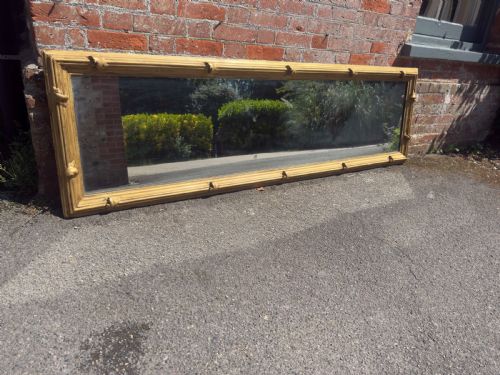
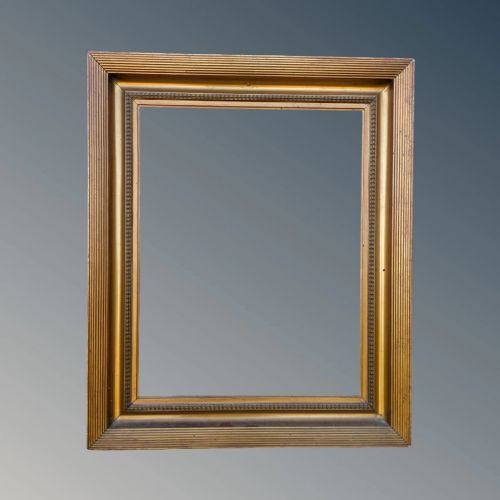


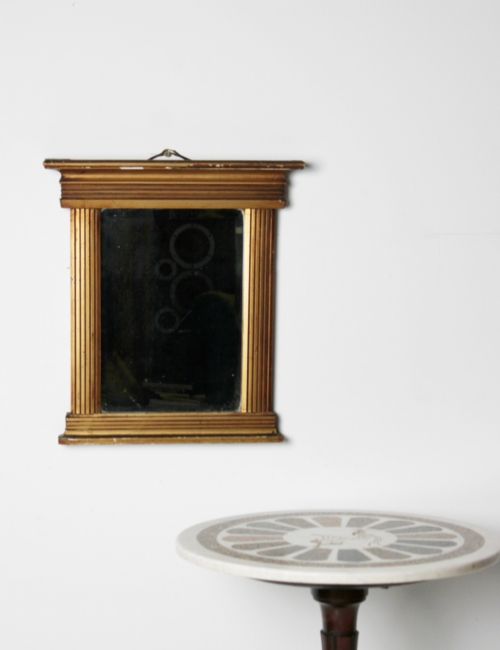
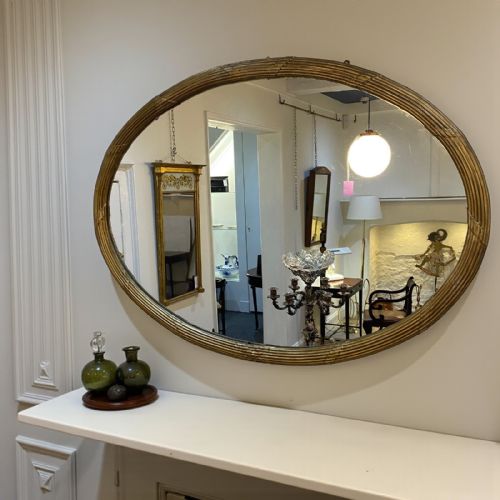


Reeded Wood Mirror
A reeded wood mirror brings crisp linear texture to a room, offering simple architectural framing that suits both period and modern interiors.
Reeded Wood Mirror
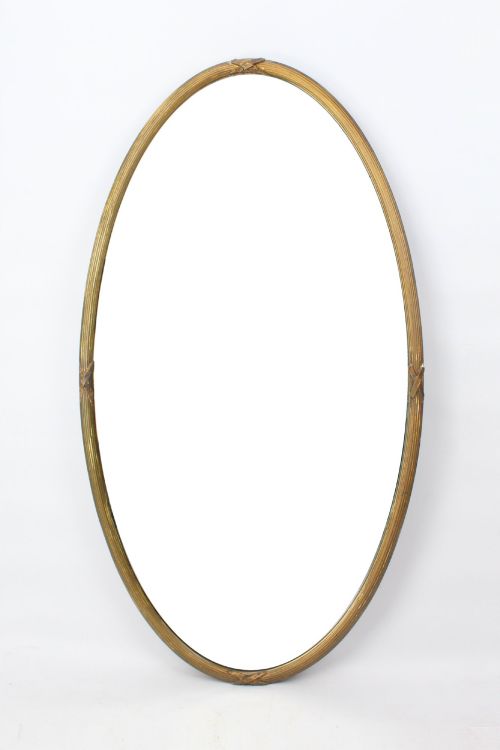
A reeded wood mirror is a framed reflective glass piece characterised by parallel convex mouldings carved into the wooden border. These pieces appear across several eras, with examples spanning the Regency, Victorian, and Edwardian periods.
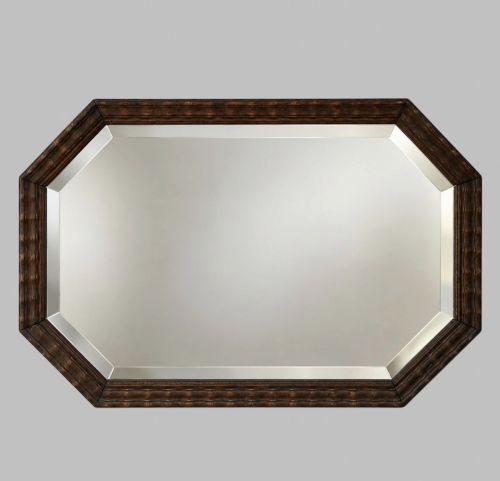
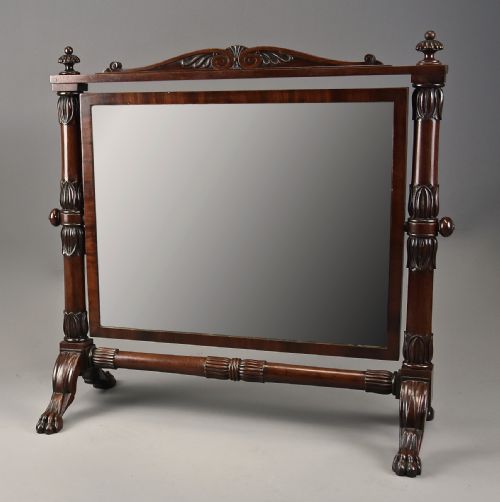
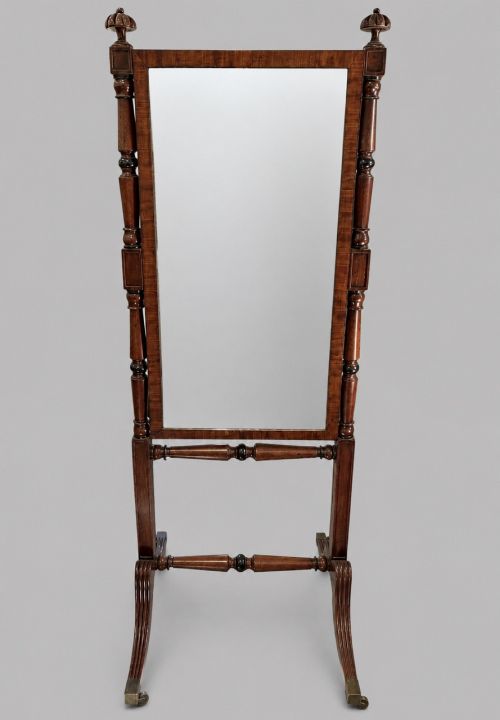
The form varies from tall cheval dressing mirrors to compact pier mirrors and wall-hung frames. Most items found here comprise wooden structures shaped with linear fluting or turned reeding.
Originating largely from British workshops and French chateau styles, these mirrors function practically while adding linear rhythm to a wall or dressing space.
How they were made
Frames are constructed from solid timbers such as mahogany and oak, shaped by hand to create the signature parallel ridges of reeding. In some instances, gesso and gold leaf are applied over the wooden base to achieve a gilt finish.
Glass is set within the rebated frame, often featuring bevelled edges that reflect light cleanly. Cabinetmakers utilised traditional joinery techniques to construct the heavier cheval stands and large pier frames.
Reeded Wood Mirror Retail Price Guide 2026
Typical asking prices for reeded wood mirror among the pieces listed under this phrase on Sellingantiques today, from the lower quarter to the upper quarter. They describe what is for sale here now, not the wider market.
Listings feature items spanning the Regency period through to the Edwardian era, incorporating mahogany, oak, gesso, and gold leaf.
What varies in quality
Quality rests primarily in the crispness of the timber moulding and the depth of the carved reeding. Finer examples display precise, uniform channels cut cleanly into dense woods like Cuban mahogany rather than softer substitutes.
The integrity of the original gilding or polish alters the character of the piece, where hand-applied gold leaf ages with a softer lustre than modern metallic paints. Heavier structural framing in floor-standing cheval mirrors also denotes superior workshop production.
Waring & Gillow·P & MA Nicholson
The Reeded Wood Mirror Glossary
- Reeding
- Parallel convex mouldings carved into wood, resembling bundled reeds. This decorative technique creates texture and shadow along the frame border.
- Pier mirror
- A tall, narrow mirror designed to hang on the wall between two windows, often placed above a pier table. These pieces maximise light in traditional reception rooms.
- Cheval mirror
- A freestanding full-length mirror suspended on a pivoted frame between four legs. It allows the glass to tilt for different angles.
- Gesso
- A plaster-like mixture applied to wood frames to provide a smooth base for gilding. It holds fine detail when moulded or carved.
- Giltwood
- Timber that has been coated with gold leaf or metal leaf. This finish was widely used on formal mirrors from the Regency and Victorian eras.
Reeded Wood Mirror: Frequently Asked Questions
Where should I hang a reeded wood mirror?
These mirrors suit hallways, living rooms, and bedrooms, particularly where the linear frame can echo architectural details like panelling or door architraves. Wall-hung versions work well above mantels or console tables to draw the eye upward.
Freestanding cheval variations fit naturally into dressing rooms or larger bedrooms to provide full-length reflection while adding substantial wooden presence to the floor space.
How do I date a reeded wood mirror?
Dating relies on timber selection, frame construction, and the style of the moulding. Regency and William IV pieces often utilise dense mahogany with sharp, classical proportions, whereas Edwardian items may show lighter construction.
Backboards, fixings, and the clarity or oxidation of the mirror glass provide further clues to the age of the piece, as older float glass exhibits subtle waviness.
Are these mirrors heavy to hang?
Weight depends on the size and materials used, with solid mahogany and giltwood frames requiring secure wall fixings. Larger overmantle and pier mirrors demand sturdy picture hooks anchored directly into wall studs or masonry.
Freestanding cheval mirrors require no hanging, resting instead on stable floor bases with pivot pins that allow the glass to adjust safely.
Can I polish the wooden frame?
Maintenance involves gentle dusting with a soft, dry cloth to protect the timber surface and any applied wax or polish. Avoid commercial liquid cleaners on antique wood and gilt finishes to preserve the patina.
Glass can be cleaned with a minimal amount of glass cleaner sprayed onto a cloth rather than directly onto the mirror surface, preventing moisture seeping behind the frame rebate.