






Reddish Mahogany Dresser
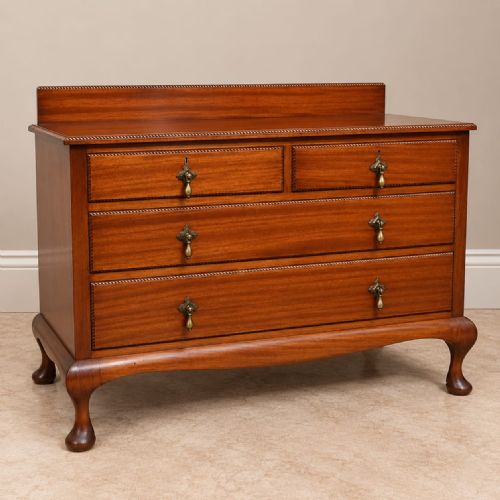
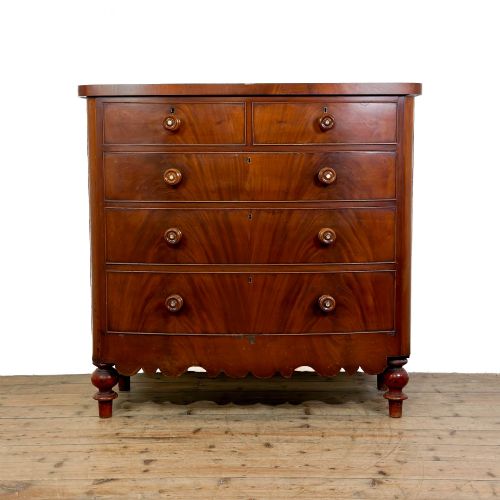
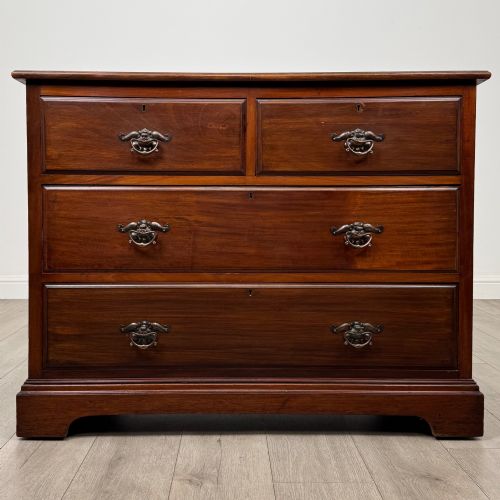
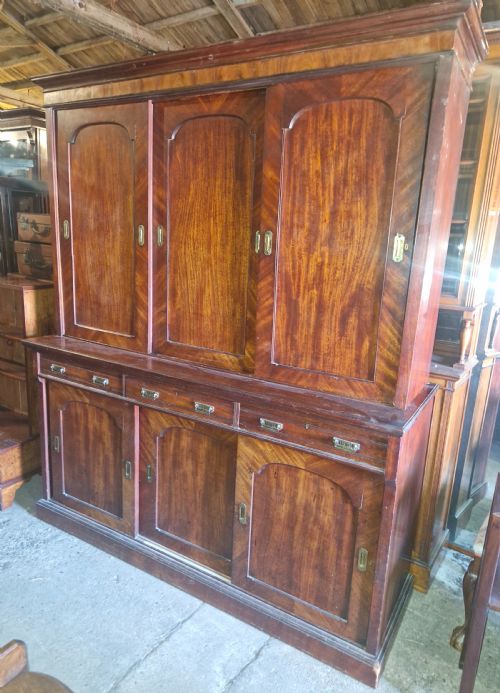
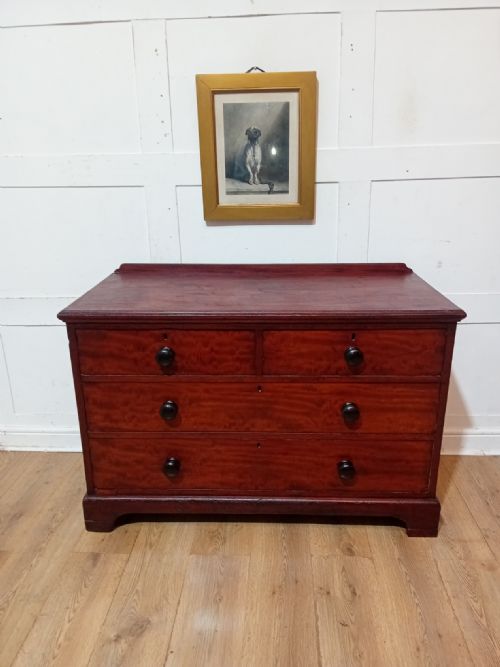
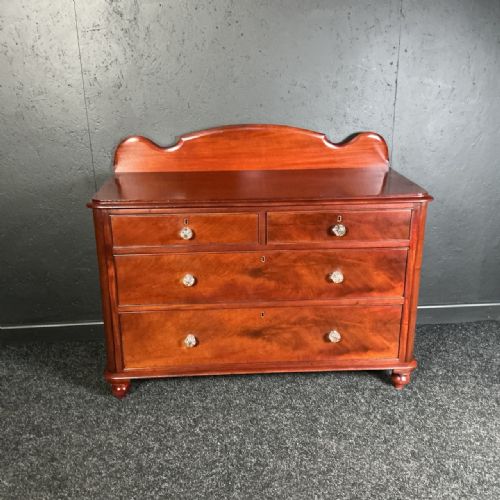
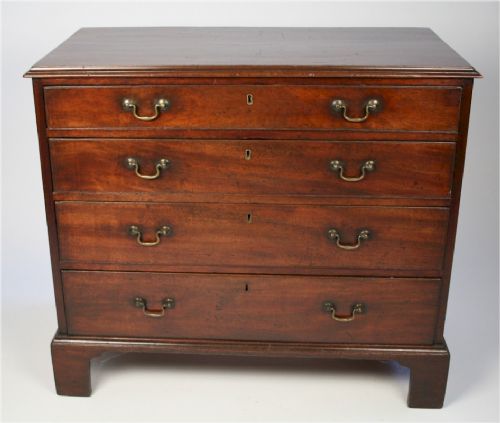
A reddish mahogany dresser brings warmth and practical storage to a room, appearing primarily as a robust chest of drawers across Victorian, Georgian, and Edwardian periods.
Reddish Mahogany Dresser
A reddish mahogany dresser typically presents itself as a chest of drawers or storage cabinet originating from periods such as the Georgian, Victorian, and Edwardian eras. Buyers search for these pieces to anchor a room with deep wood tones and traditional craftsmanship.
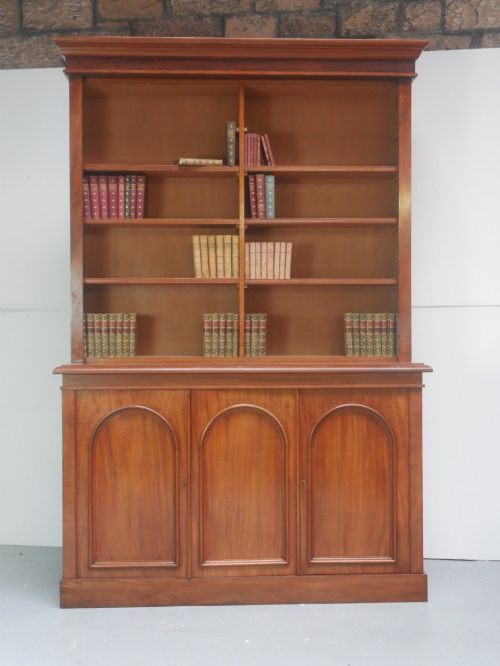
The selections available here lean heavily towards chests of drawers, ranging from compact bowfront designs to larger country house estate office cabinets. Occasional variations include bookcases, sideboards, and cupboards alongside the core chest format.
Origins span the 18th century through to the early 20th century, encompassing styles like Grand Regency and Regency alongside standard Victorian and Edwardian work. Each piece carries the distinct structural form of its decade, from simple three-height chests to George III four-drawer pieces.
How they were made
Construction relies fundamentally on solid wood and timber veneers, with mahogany serving as the primary material complemented by secondary timbers like pine, chestnut, and cedar for internal linings. Cabinet makers utilised these durable woods to build long-lasting storage furniture that withstood heavy domestic use.
Decoration and functional detailing involve brass hardware, mother of pearl accents, boxwood inlay, and glass elements. These materials enhance the visual depth of the reddish mahogany surfaces and provide operable handles, key escutcheons, and glazed viewing areas where appropriate.
Reddish Mahogany Dresser Retail Price Guide 2026
Typical asking prices for reddish mahogany dresser among the pieces listed under this phrase on Sellingantiques today, from the lower quarter to the upper quarter. They describe what is for sale here now, not the wider market.
Some drawers are cedar lined, preserving a faint aromatic trace of old timber.
What varies in quality
The standard of a reddish mahogany dresser depends on the selection of timber grain and the precision of its construction across drawer frames and cabinet bodies. Superior examples display consistent figuring in the mahogany and tight, enduring joinery.
Finer pieces retain original handles, integrated brushing slides, or delicate boxwood inlay rather than replacement elements. The integration of secondary woods like cedar for drawer linings also distinguishes higher-grade utilitarian pieces from simpler alternatives.
The Reddish Mahogany Dresser Glossary
- Bowfront
- A curved cabinet front that swells outward in the centre, common in Georgian and Victorian chests of drawers. This shape softens the profile of the furniture.
- Brushing slide
- A pull-out shelf integrated above the top drawers of a chest, historically used for folding laundry or writing letters. It slides flush into the cabinet frame when not in use.
- Boxwood inlay
- Narrow strips of pale yellowish boxwood embedded into the mahogany surface to create decorative geometric borders or lines. This technique adds contrast to darker timber.
- Chest of drawers
- A standard storage item featuring multiple stacked horizontal drawers within a wooden carcass. It remains the most common form found in these listings.
- Pedestal sideboard
- A large dining room storage unit featuring central serving space flanked by pedestal cupboards. These pieces often incorporate heavy mahogany construction and deep drawers.
Reddish Mahogany Dresser: Frequently Asked Questions
What periods do these dressers come from?
The pieces span several historical periods, most notably the Georgian, Victorian, and Edwardian eras. You will also find items from specific years such as 1800, 1860, and 1880.
Design characteristics shift slightly across these decades, moving from strict Georgian proportions to heavier Victorian proportions and lighter Edwardian inlaid work.
Are all these items traditional chests of drawers?
While the majority take the form of chests of drawers, the selection also includes bookcases, shelving, cupboards, and pedestal sideboards. Different makers adapted mahogany for various domestic storage needs.
Buyers looking specifically for surface storage or hanging space will find that chests dominate the available inventory.
What woods are used besides mahogany?
Mahogany is the dominant wood, but construction often incorporates pine, chestnut, and cedar for internal drawer linings and structural framing. Boxwood is also used specifically for inlay work.
These secondary woods support the primary mahogany exterior and contribute to the overall weight and durability of each piece.
Do these pieces feature original handles?
Hardware varies across the collection, with some items retaining their original brass handles while others may show later replacements. Specific listings note the presence of original handles where documented.
Examining the metalwork and backplates helps determine whether the hardware matches the age of the cabinet carcass.