


Red Wool Mat
A red wool mat brings enduring warmth and texture into a room, drawing on centuries of nomadic and village weaving traditions.
Red Wool Mat
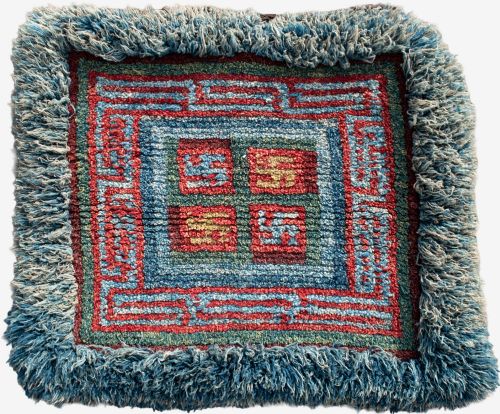
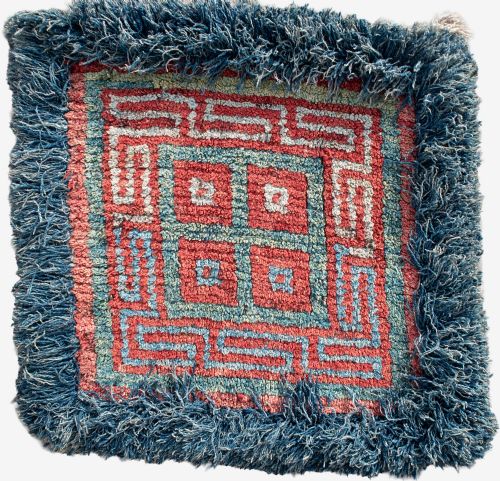
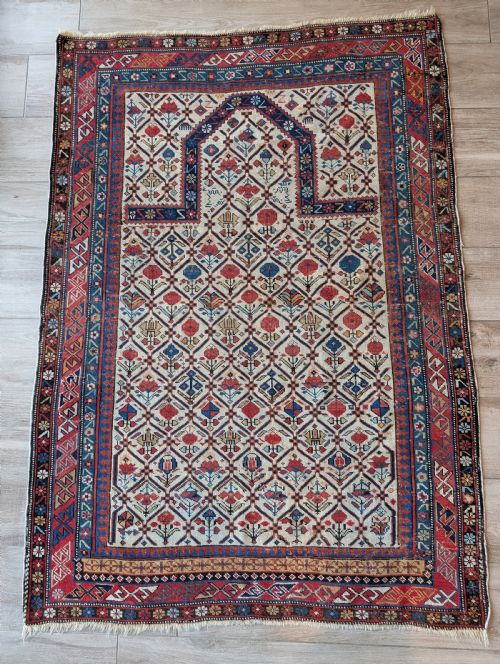
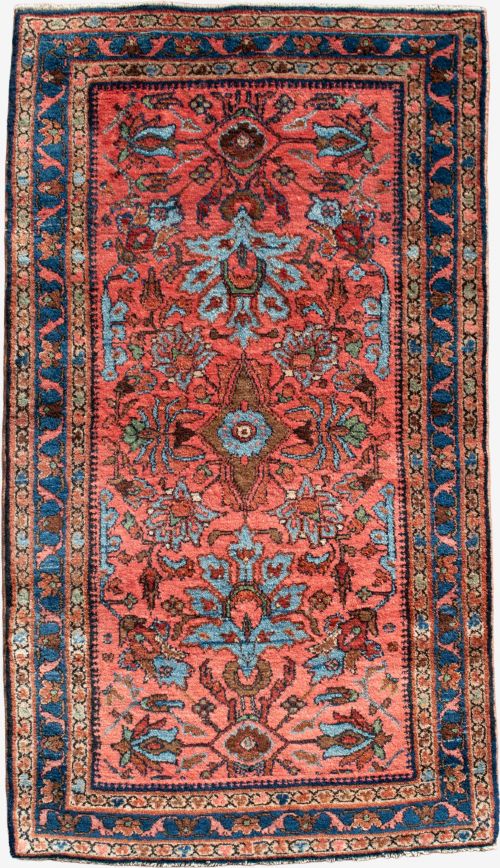
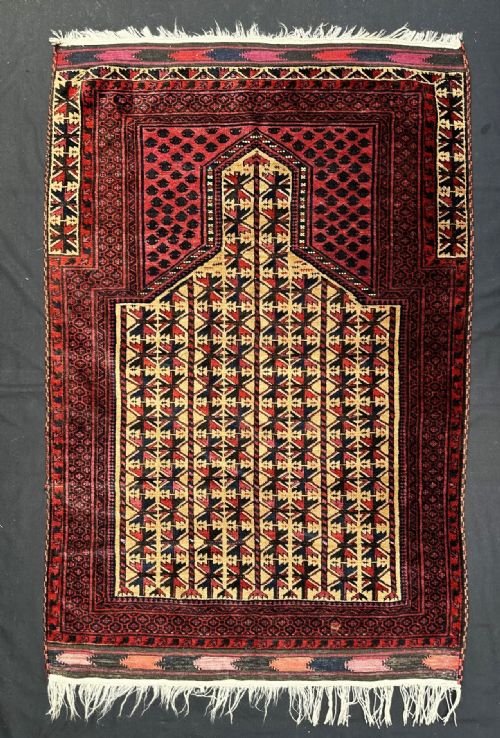
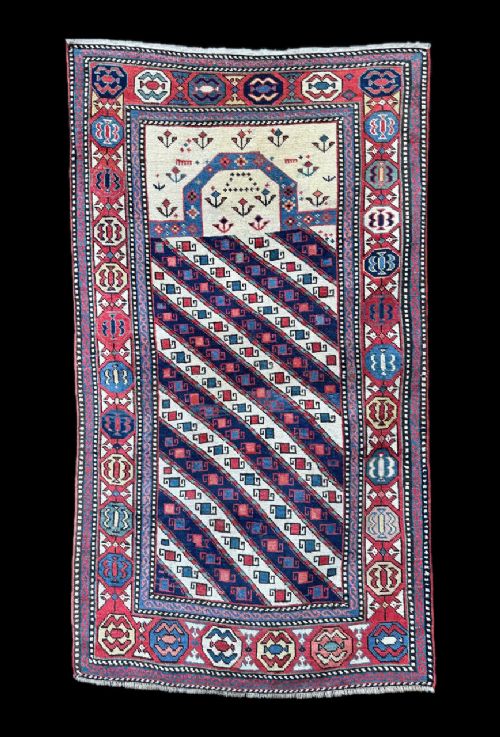
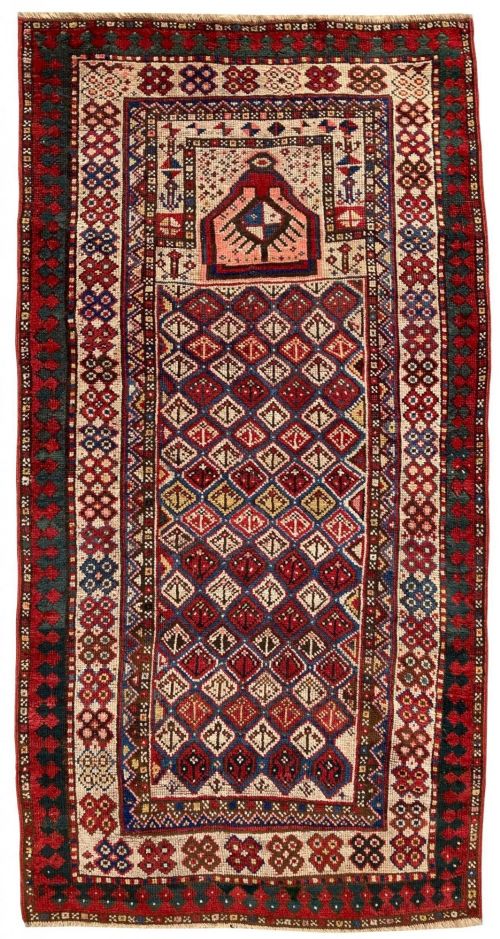
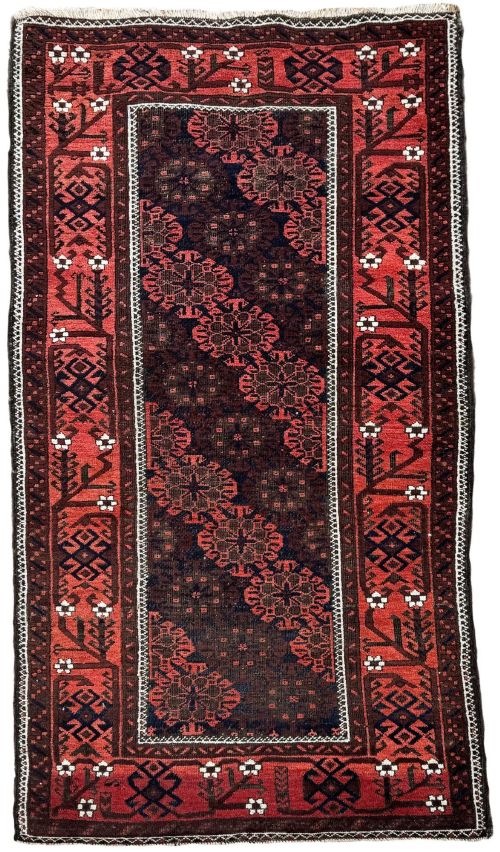
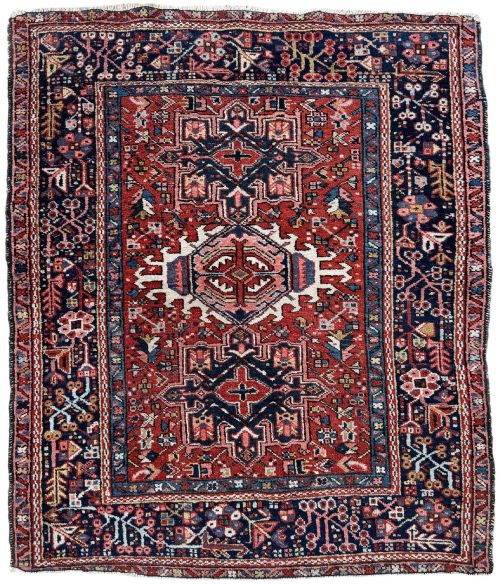
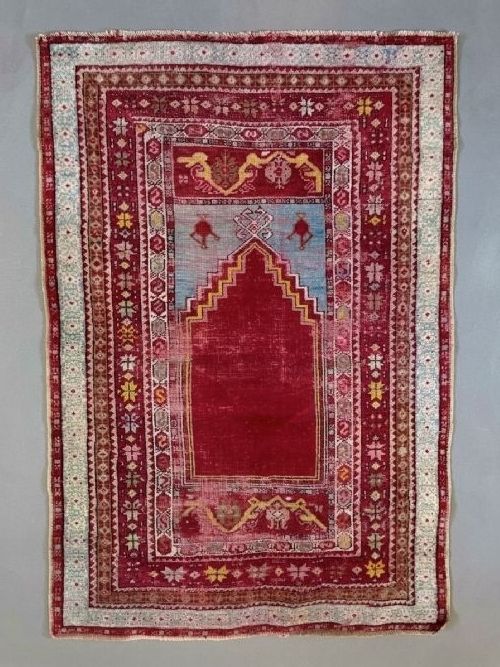
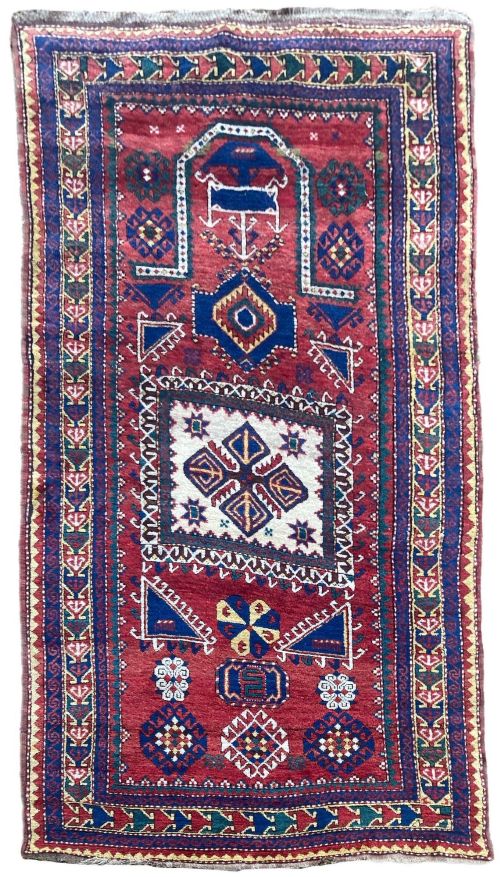
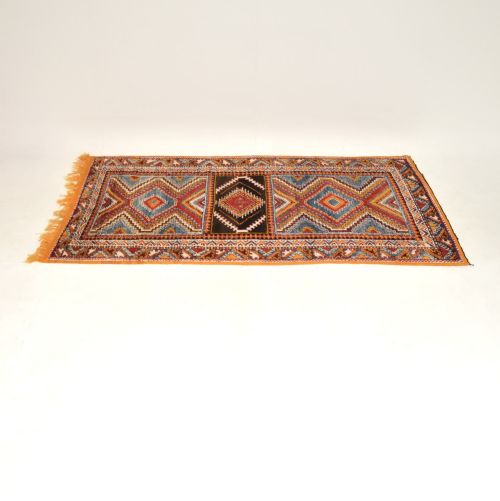
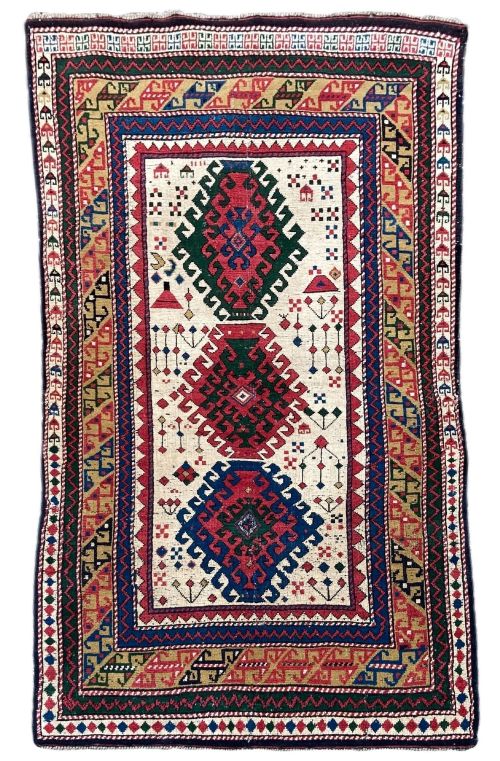
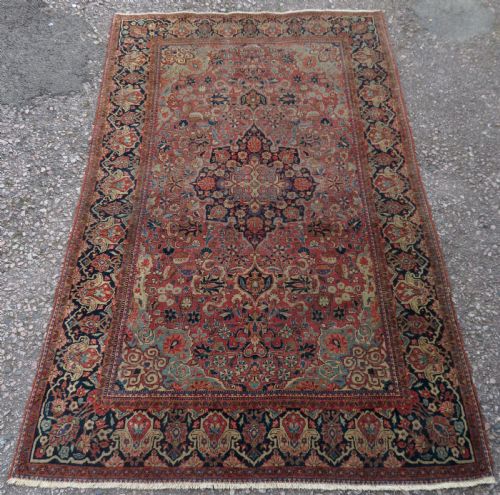
When you search for a red wool mat, you encounter hand-knotted rugs, tribal textiles, and prayer rugs originating from Persian, Anatolian, Caucasian, and Turkmen traditions. These pieces span the nineteenth and early twentieth centuries, encompassing small square formats, hearth sizes, and hallway runners.
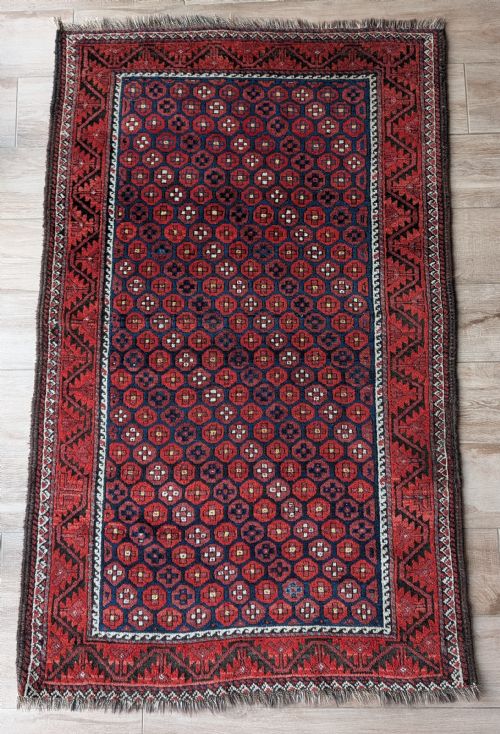
The most common examples on this page are village and tribal weaves such as Baluch, Karaja, and Kazak rugs. Makers utilised rich madder dyes to achieve deep crimson and scarlet tones that dominate the palette of these textiles.
How they were made
Weavers relied on hand-spun wool, cotton foundations, and occasionally goat hair or silk highlights to construct these textiles. Natural dyes derived from plants and insects provided the enduring reds, blues, and yellows seen across the pieces.
Nomadic and village workshops employed vertical or horizontal looms, tying asymmetrical or symmetrical knots by hand. Skilled artisans also produced specialised items like embroidered bagfaces, saddle covers, and flatwoven sofreh.
Red Wool Mat Retail Price Guide 2026
Typical asking prices for red wool mat among the pieces listed under this phrase on Sellingantiques today, from the lower quarter to the upper quarter. They describe what is for sale here now, not the wider market.
What varies in quality
The excellence of a weave depends largely on the purity of the wool and the complexity of the natural dye palette. Finely spun fibres and tightly packed knots create a dense pile that resists wear and retains crisp geometric or floral details.
Structural integrity also separates superior examples from ordinary ones. Well-preserved original borders, secured selvedges, and intact tassels indicate careful historical maintenance and skilled initial construction.
The Red Wool Mat Glossary
- Prayer rug
- A small textile featuring a mihrab or niche design, historically used for individual daily prayers. These rugs often display directional motifs pointing toward Mecca.
- Mihrab
- The arched architectural niche depicted on prayer rugs, symbolising the direction of prayer. Its shape varies significantly between Anatolian, Caucasian, and Persian traditions.
- Sofreh
- A flatwoven or embroidered spread used for meals, dough preparation, or ritual purposes in nomadic households. These textiles frequently display bold tribal iconography.
- Madder
- A natural red dye extracted from the roots of the Rubia plant, widely utilised in traditional carpet making. It yields rich, variable tones of red that age gracefully.
- Selvedge
- The reinforced side edges of a rug formed by wrapping the outermost warp threads. Good preservation here prevents the pile from unravelling.
Red Wool Mat: Frequently Asked Questions
How do I clean a vintage wool rug?
Gently vacuum without a rotating brush roll to lift surface dust without pulling the fibres. Professional textile cleaning is recommended for deeper maintenance to protect natural dyes.
Avoid harsh chemical detergents and excessive moisture, which can damage the wool pile and weaken the cotton or wool foundation threads.
Can I place these rugs in high traffic areas?
Wool possesses natural lanolin that provides inherent durability and resistance to dirt. Many tribal weaves were designed for daily domestic use on floors.
Placing a quality rug underlay beneath the piece prevents slipping and reduces friction against hard flooring, extending its lifespan.
What is the difference between village and tribal rugs?
Tribal rugs were woven by nomadic or semi-nomadic groups from memory, featuring geometric patterns and symbols specific to their tribe. Village rugs were produced by settled communities in fixed locations.
Village pieces often incorporate more structured floral elements alongside traditional geometric motifs, reflecting influences from larger trade centres.
How do I identify the age of an old rug?
Age is assessed through dye analysis, wool consistency, structural characteristics, and design style. Natural dyes and hand-spun wool typically point to production before the widespread introduction of synthetic aniline dyes in the late nineteenth century.
Wear patterns, variations in the weave, and regional knotting techniques also provide clues to the approximate decade of creation.