

Red Wool Bag
When you search for a red wool bag, you step into the world of tribal textiles created by nomadic weavers across Persia, Central Asia, and Anatolia during the nineteenth and early twentieth centuries.
Red Wool Bag
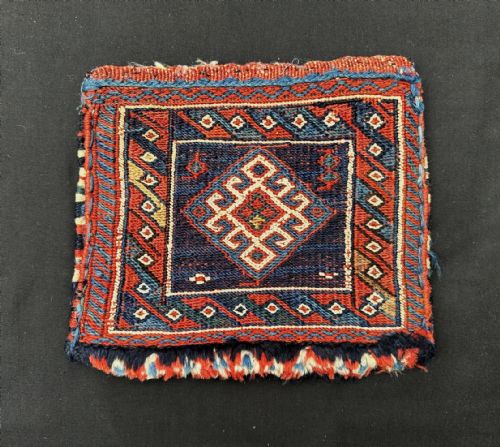
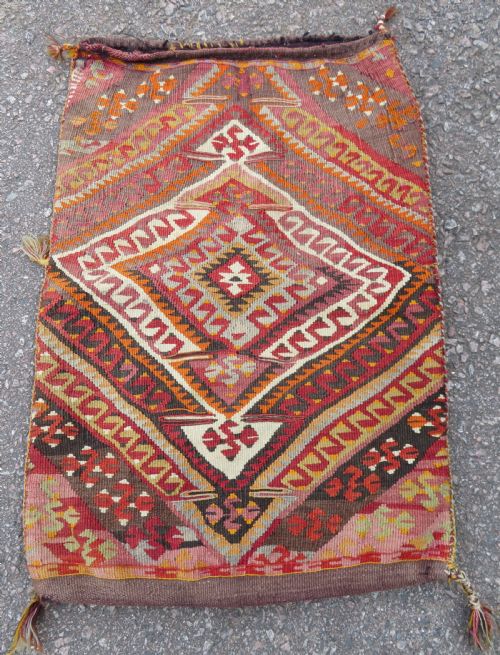
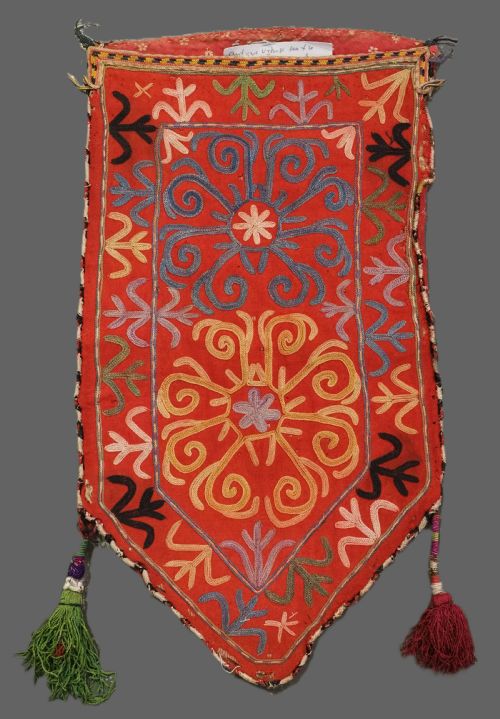
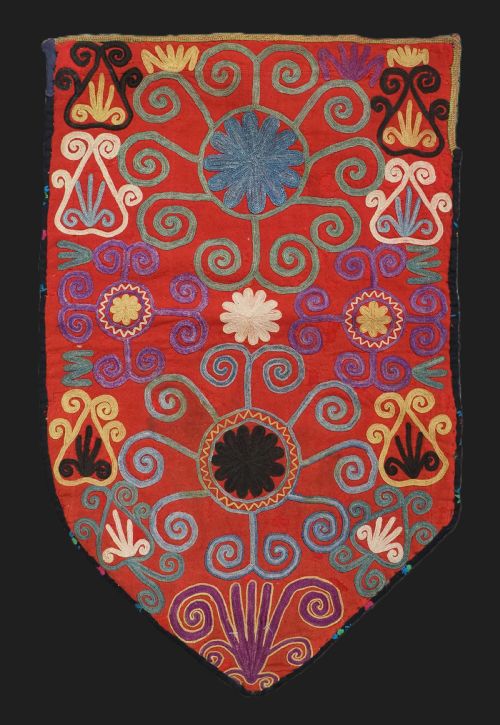
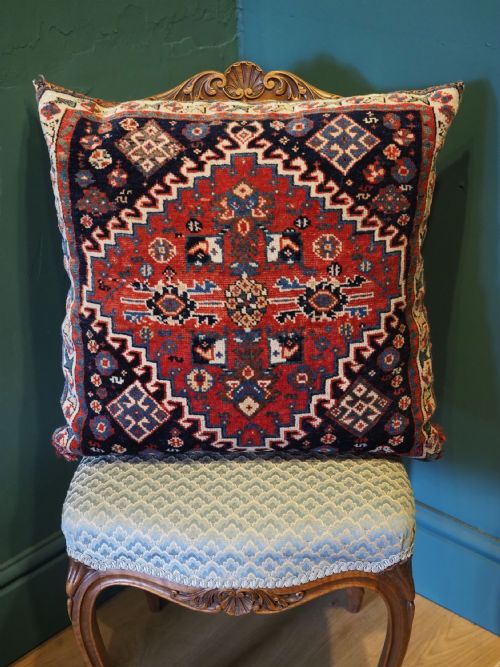
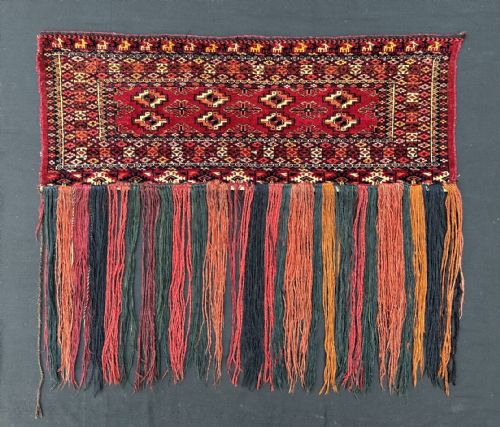
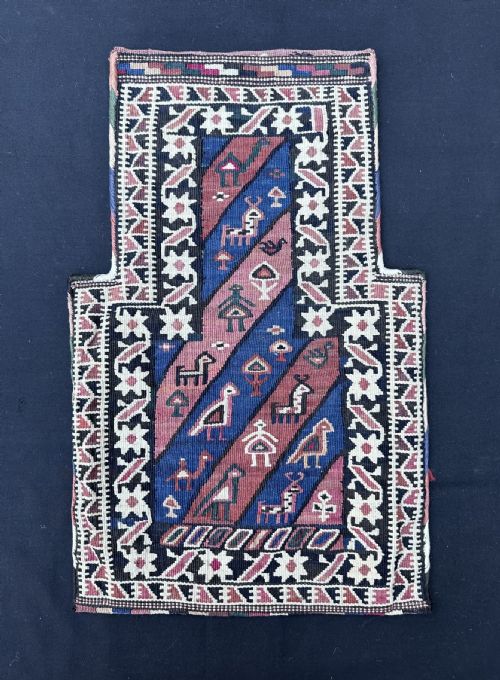
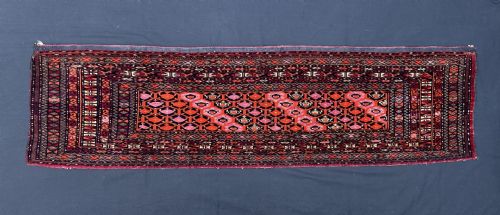
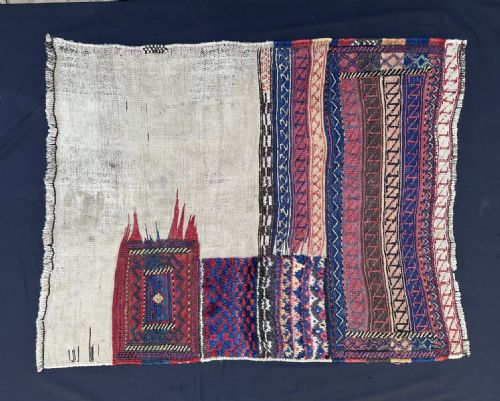
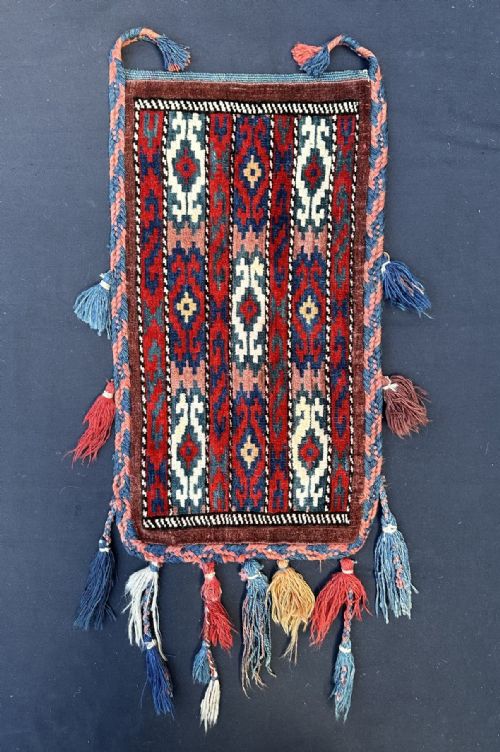
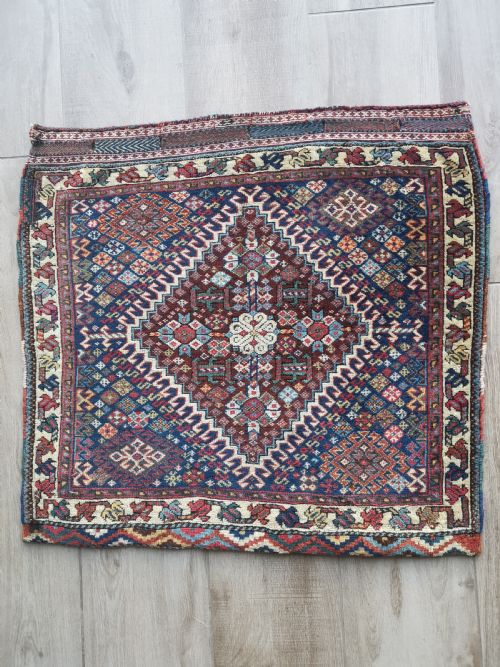
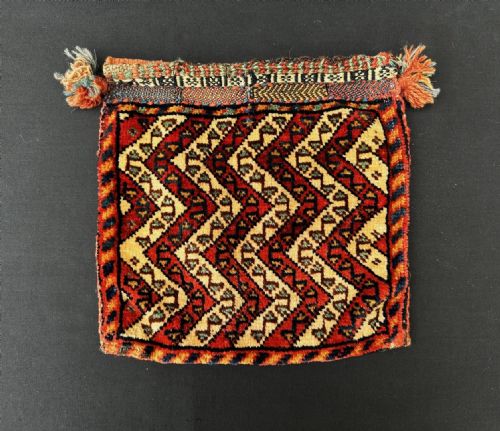
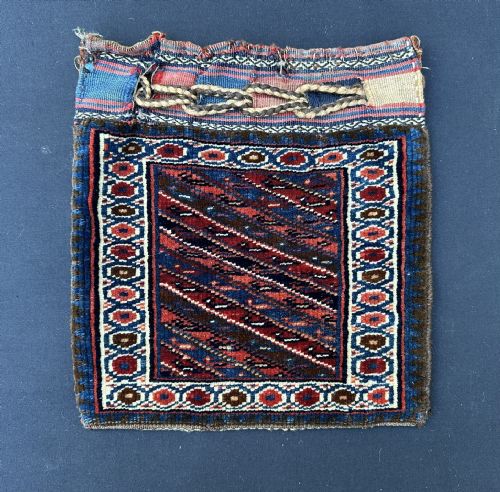
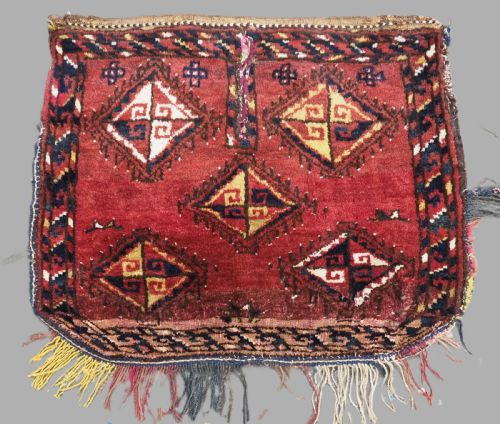
A red wool bag on this page is typically a utilitarian container or storage piece made by nomadic and tribal groups, including Turkmen, Qashqai, Bakhtiari, Shahsevan, and Uzbek peoples. These items served practical purposes in camp life, functioning as grain sacks, storage torbas, saddle bags, vanity bags, and hanging pouches.
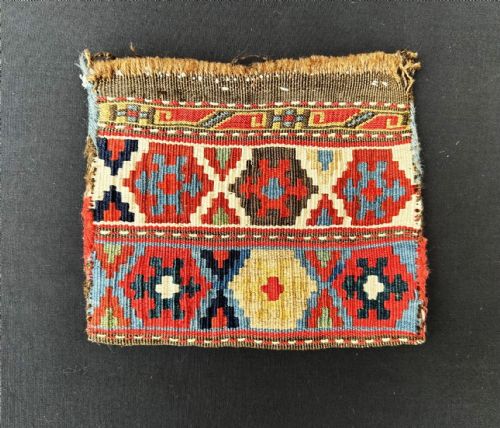
The objects span from the mid-nineteenth century to the early twentieth century, reflecting distinct regional designs and tribal traditions. Most examples take the form of bag faces, complete storage bags, or smaller personal pouches known as chantehs.
Makers utilised plant-derived red hues extensively, giving these utilitarian items their characteristic warmth and visual depth. Every piece preserves the domestic economy and nomadic lifestyle of its makers through traditional pattern work and weaving methods.
Materials and construction
These textiles rely primarily on wool and hand-spun wool, often combined with cotton or silk for structural integrity and contrast. Natural dyes provided the foundational palette, yielding deep madder reds and varied secondary tones that age gracefully over time.
Weavers employed pile knotting and flatweave techniques such as kilim construction, sometimes pairing a dense piled face with a plain weave wool back. This dual approach ensured the containers remained durable enough for daily loading while staying manageable on pack animals.
Listings span the decades from 1850 to 1920, with Turkmen and Persian tribal groups representing the primary origins of these wool containers.
Evaluating craftsmanship and survival
Quality in these textiles rests upon the density of the weave, the handling of natural dyes, and the crispness of the tribal motifs. Finer knotting and careful wool preparation produce sharper geometric definition and a more tactile handle.
Condition and completeness also separate examples, as surviving pieces that retain their original plain weave backs or complete hanging loops offer a more authentic record of how the container functioned in daily nomadic use.
The Red Wool Bag Glossary
- Torba
- A small storage bag produced by Turkmen tribes, often used within the tent for household items or bedding. These pieces frequently display characteristic gul motifs and structured border designs.
- Chuval
- A large Turkmen tent-storage bag designed for blankets and heavy possessions. They are recognised by their broad proportions and repeating primary medallions.
- Chanteh
- A small personal carrying bag or vanity pouch made by tribal weavers. These miniature containers were used to transport small personal effects during migration.
- Khorjin
- A traditional double-sided saddle bag joined by a central web. They were slung over pack animals to carry provisions and personal belongings.
- Gul
- A primary medallion or repeating motif found across Turkmen and Central Asian tribal weaving. Each tribal grouping utilised distinct variations to signal lineage and identity.
Red Wool Bag: Frequently Asked Questions
What were these bags used for?
Nomadic communities utilised these wool containers for storing household goods, transporting provisions on animals, and keeping personal items secure inside tents. Their robust construction handled the daily demands of a mobile lifestyle.
Larger versions held grain, bedding, or clothing, while smaller pouches served as personal carryalls or decorative wall hangings within the encampment.
How do I care for a antique textile?
Protect the wool by keeping the piece out of direct sunlight and maintaining a stable indoor humidity. Gentle vacuuming through a mesh screen removes surface dust without catching the pile.
Avoid harsh chemical cleaners and professional carpet washers who lack experience with natural dyes and historical animal fibres.
Are these pieces complete with their backs?
Many listings feature bag faces that were separated from their original plain weave backs over generations of use and trade. However, several examples survive intact with their complete backs and hanging structures.
Checking individual descriptions reveals whether a piece remains in its original configuration or exists as a fragment intended for display.