





Red Wood Storage Box
These red wood storage box pieces combine robust utility with rich surface decoration, offering both practical containment and striking presence in a room.
Red Wood Storage Box
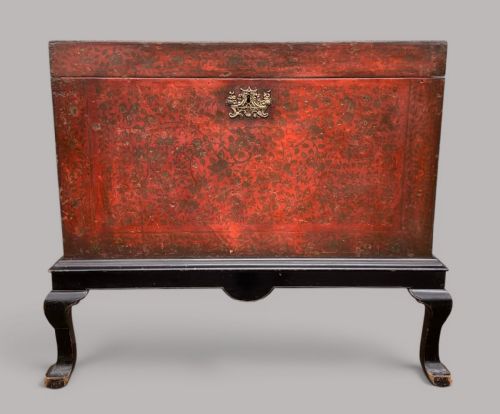
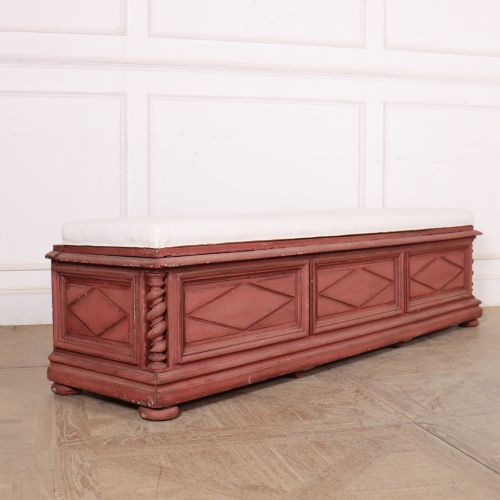
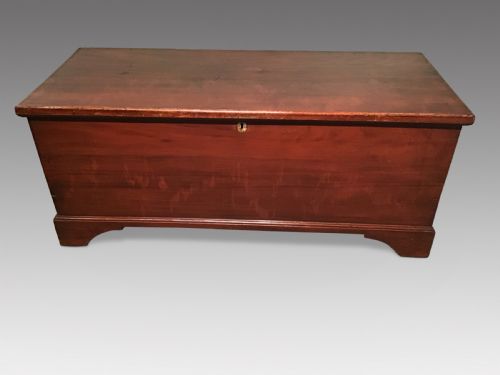
When you search for a red wood storage box, you encounter a varied selection of antique chests, trunks, and smaller lidded containers spanning the eighteenth and nineteenth centuries. These pieces encompass global traditions, ranging from Chinese Export camphor wood trunks to Indian lacquered chests and European walnut tea caddies.
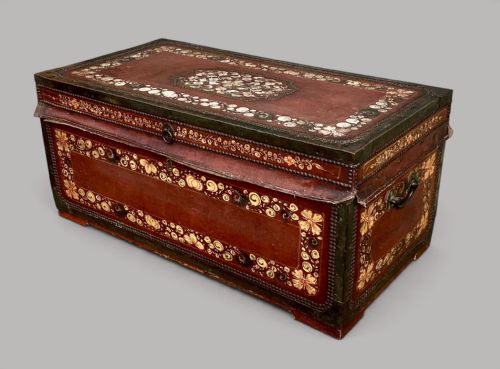
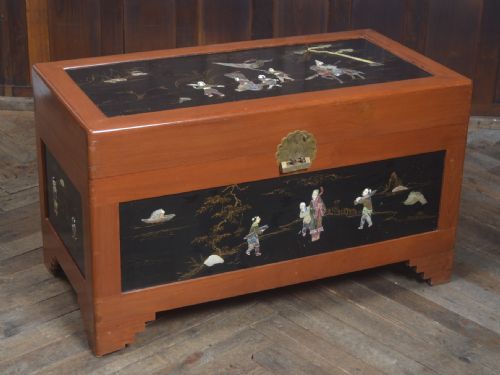
The version you are most likely to meet on this page is a nineteenth-century camphor wood or elm chest featuring red lacquer, leather, or polychrome painted finishes. These utilitarian objects were designed for travel or household storage, frequently incorporating brass bindings and handles for durability.
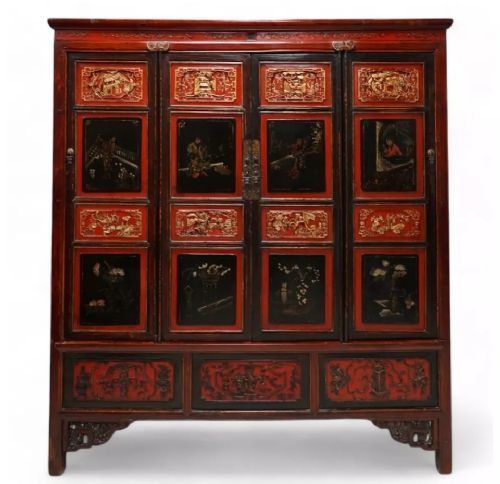
Beyond standard blanket chests, the selection extends to specialised forms such as marriage cabinets, tea caddies, cashier boxes, and graduated nesting sets. Each object reflects the specific domestic or mercantile requirements of its period and geographic origin.
Materials and construction methods
Makers utilised strong timbers such as camphor wood, elm, walnut, and pine as the structural foundation for these storage pieces. Camphor wood was particularly valued for its aromatic properties and resistance to insects, making it ideal for lined trunks and blanket boxes.
Surfaces were frequently finished with red lacquer, oil paint, or fitted leather, often complemented by protective iron or brass hardware. Joinery techniques varied according to regional workshop traditions, uniting solid timber panels with durable fastenings and metal mounts.
Red Wood Storage Box Retail Price Guide 2026
Typical asking prices for red wood storage box among the pieces listed under this phrase on Sellingantiques today, from the lower quarter to the upper quarter. They describe what is for sale here now, not the wider market.
Several trunks retain their original travel wear, quietly hinting at decades spent traversing nineteenth-century trade routes before finding a home here.
Distinguishing quality in storage boxes
The standard of a red wood storage box depends heavily on the integrity of its primary timber and the preservation of its original surface decoration. Pieces retaining untouched red lacquer, detailed hand-painting, or intact leather coverings demonstrate a higher grade of craftsmanship.
Construction details also separate the finest examples from standard utility items, particularly the weight and fastening of brass or iron hardware and the precision of the joinery. Superior examples maintain structural firmness in their hinges, lids, and mounting brackets despite centuries of use.
The Red Wood Storage Box Glossary
- Camphor wood
- A durable, aromatic timber frequently utilised in nineteenth-century trunks and chests to protect stored textiles from insects. Its distinct scent remains detectable in many surviving examples.
- Chinese Export
- Objects manufactured in China specifically for Western markets, often combining traditional Asian forms and materials with European functional demands. These pieces frequently feature brass hardware and leather or lacquer finishes.
- Lacquer
- A durable protective and decorative finish applied in multiple layers to wood surfaces, commonly seen in vibrant red tones on Asian and Qajar chests. It creates a smooth, hard sheen that preserves the timber underneath.
- Tea caddy
- A small lidded box designed for storing loose tea leaves, often constructed from fine hardwoods like walnut during the eighteenth century. They frequently contained internal compartments to separate different tea varieties.
- Qing Dynasty
- The imperial dynasty of China lasting from the seventeenth to the early twentieth century, encompassing many of the elm and lacquer cabinets and export trunks found in this category.
Red Wood Storage Box: Frequently Asked Questions
What were camphor wood trunks used for?
Camphor wood trunks served primarily for long-distance maritime travel and the secure storage of clothing and textiles.
The natural aromatic qualities of the wood helped repel moths and other insects, making these chests ideal for preserving delicate fabrics over extended voyages.
How do I care for a painted wooden box?
Painted and lacquered wooden surfaces require protection from direct sunlight and excessive humidity to prevent cracking or fading.
Dusting gently with a dry, soft cloth is generally sufficient, avoiding modern chemical polishes that can damage historic finishes.
Are these boxes suitable for modern living rooms?
These storage pieces adapt easily to contemporary interiors by functioning as coffee tables, blanket storage at the foot of a bed, or side tables.
Their robust construction allows them to support everyday items while concealing clutter within the compartment.
How can I tell the difference between regional styles?
Regional origins appear in the choice of timber, the application of lacquer or paintwork, and the design of the metal hardware.
For example, Chinese export pieces often combine camphor wood with brass mounts, while Indian workshops frequently employed intricate red lacquer or polychrome painting.