
Red Tribal Bag
When you examine a red tribal bag, you hold a functional piece of nomadic weaving intended for daily utility.
Red Tribal Bag
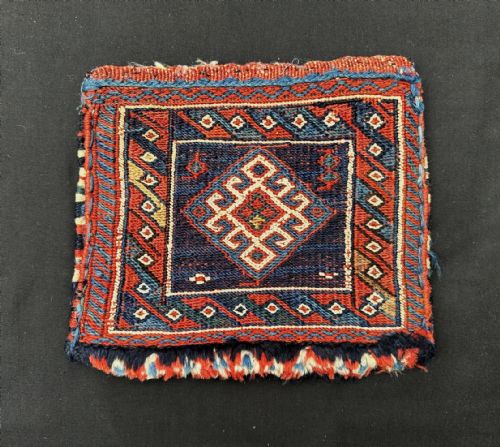
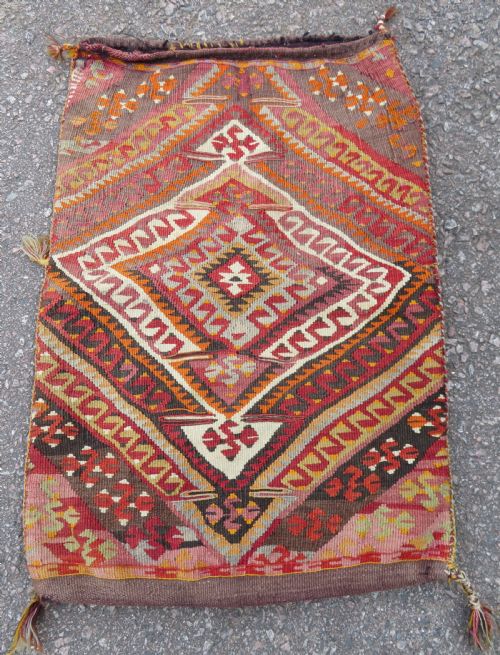
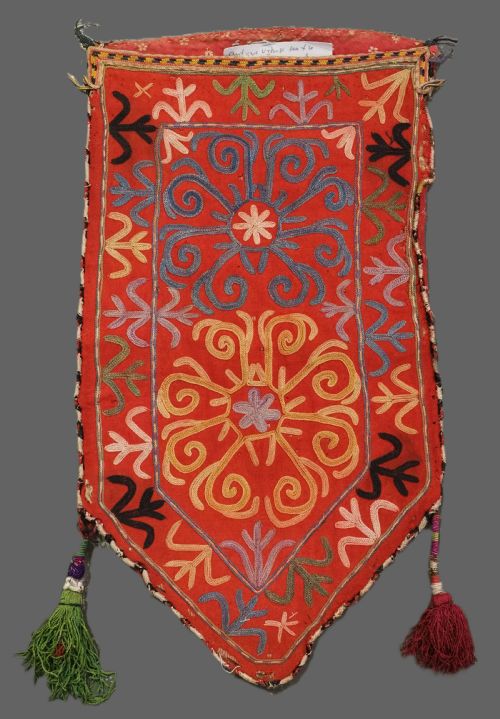
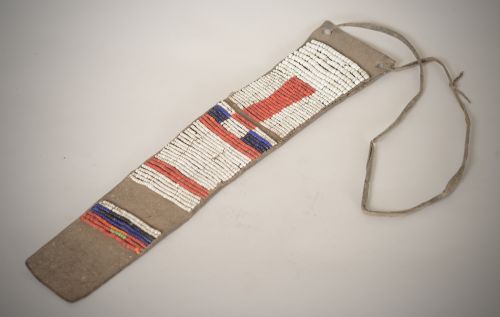
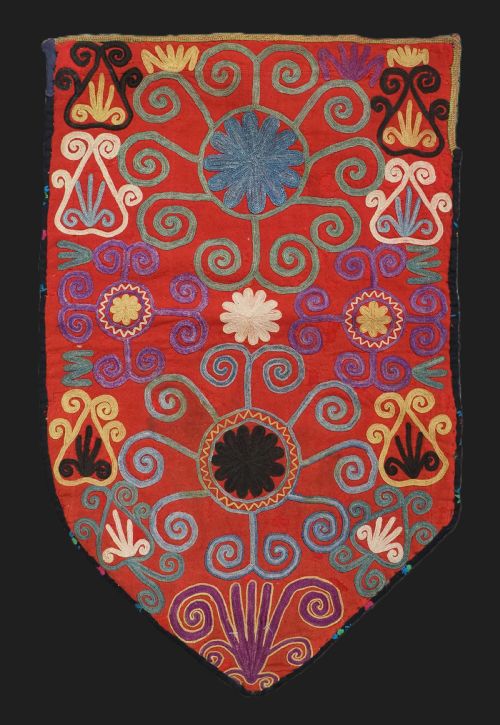
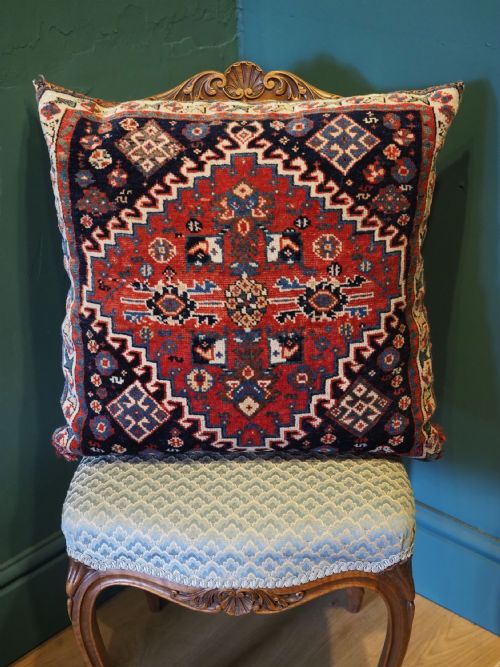
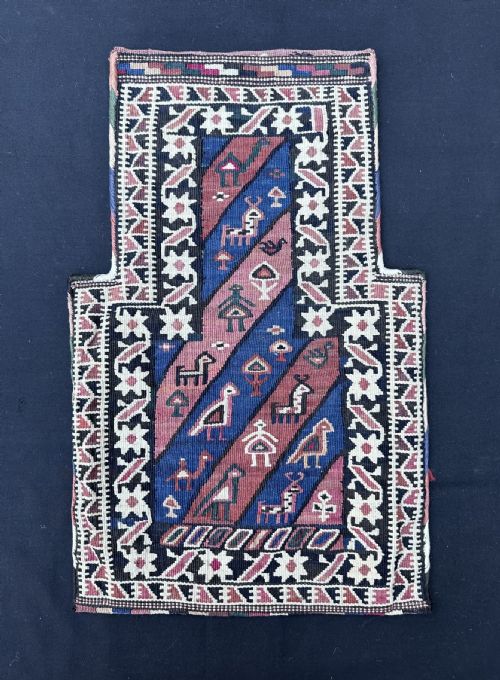
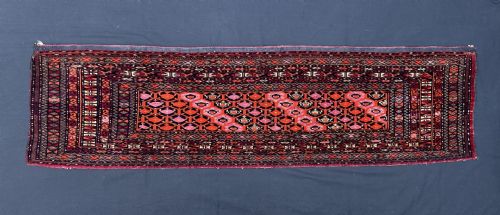
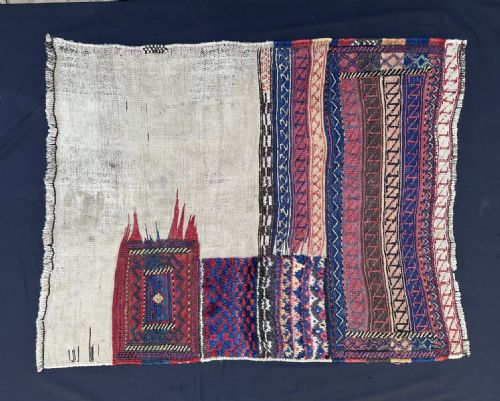
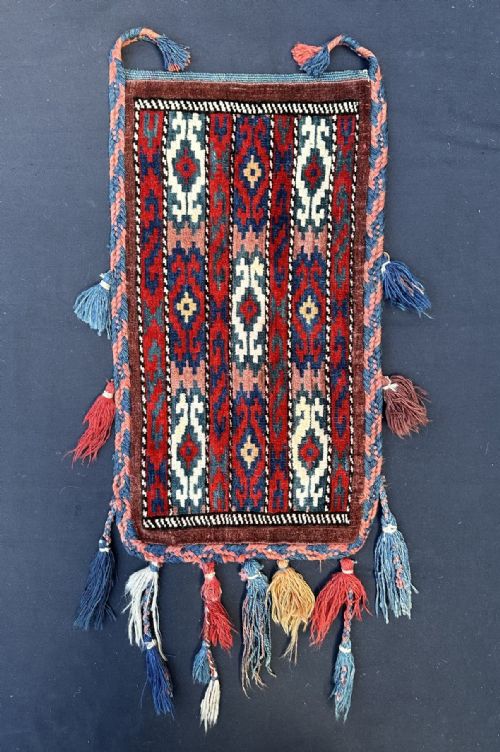
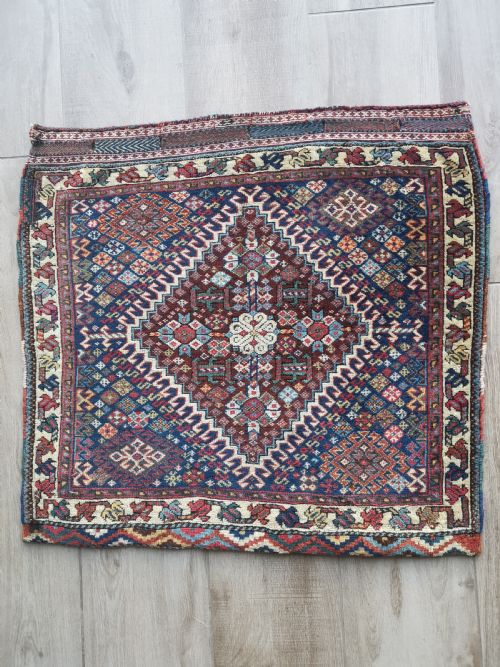
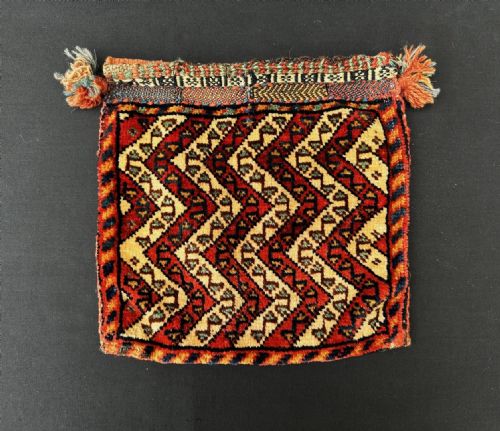
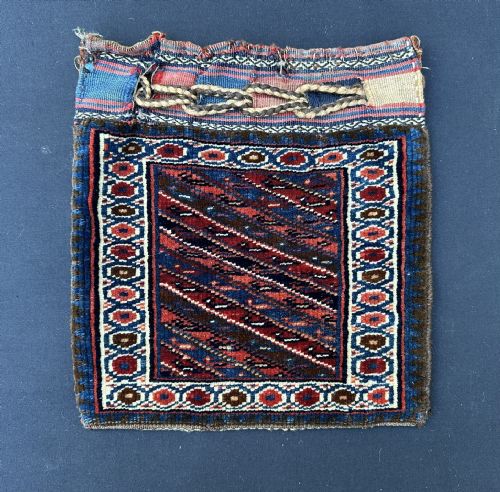
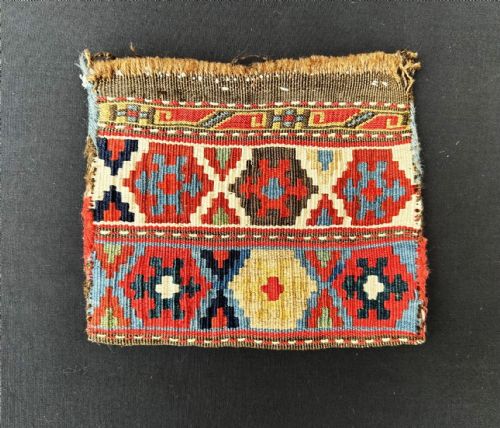
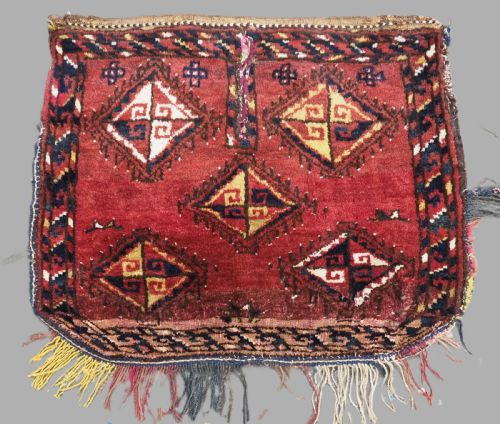
A red tribal bag encompasses a diverse range of nomadic textiles utilised for storage, transport, and household organisation across Persia, Central Asia, and the Caucasus. These objects include utilitarian forms such as saddle bags, salt bags, vanity bags, and tent bags created by tribal confederacies and regional groups.
The pieces on this page originate predominantly from the nineteenth and early twentieth centuries, reflecting the distinct weaving traditions of Turkmen tribes, Kurdish groups, Qashqa'i nomads, and Uzbek weavers. Each form served a specific domestic or nomadic function, from storing household items to carrying personal possessions on migration routes.
How they were made
Weavers constructed these textiles primarily using hand-spun wool, cotton foundations, and natural dyes to achieve deep red tones and contrasting palette accents. Skilled makers incorporated intricate pile-woven front faces alongside flat-woven plain weave backs, sometimes embellishing the structures with glass beads or leather and hide reinforcements.
The technical execution relies on precise knotting and weaving traditions passed down through generations within specific tribes and confederacies. Artisans utilised durable materials capable of enduring the rigours of nomadic life while maintaining complex geometric and symbolic patterns.
What varies in quality
Quality in these textiles depends heavily on the density of the weave, the clarity of the natural dye palette, and the precision of the tribal motifs. Finer examples display meticulous knotting and well-proportioned secondary designs that reflect the maker's high level of technical mastery.
The handling of materials also distinguishes different tiers of pieces, with superior examples maintaining resilient wool surfaces and intact structural elements like original plain weave backs or hide edgings. Preserved integrity in the pile and balanced proportions elevate the visual impact of the weaving.
The Red Tribal Bag Glossary
- Chuval
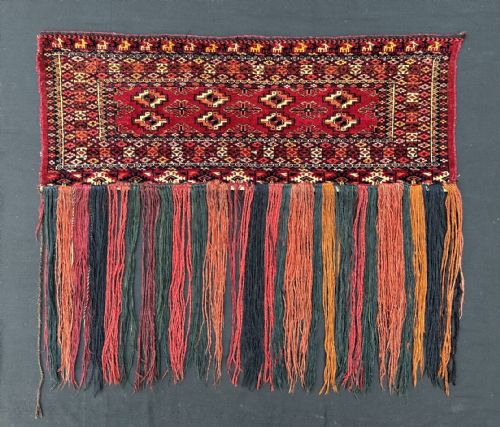
- A large Turkmen storage bag used within the yurt for bedding and household goods. These pieces often feature rows of primary guls.
- Torba
- A smaller Turkmen bag utilised for general storage and hung against the tent wall. They frequently display intricate secondary border ornaments and well-defined field designs.
- Chanteh
- A small nomadic vanity or personal possession bag carried by individuals. These items often showcase concentrated, high-quality weaving in miniature scale.
- Gul
- A medallion or repeating primary motif found in Turkmen and Central Asian tribal carpets and bags. These forms often identify the specific tribe or sub-group responsible for the textile.
- Khorjin
- A double saddle bag designed for transport on animals, consisting of two storage pouches joined by a central web. Surviving examples are often found separated into half-khorjins.
Red Tribal Bag: Frequently Asked Questions
What is a red tribal bag?
A red tribal bag is a woven textile created by nomadic and village weavers for practical storage and transport during daily life. These items range from small vanity pouches to large tent bags.
They reflect the specific cultural patterns and material resources of the region where they were made, combining utility with distinct tribal designs.
How were these bags used?
Nomadic groups used these bags inside tents and on pack animals to organise salt, pipes, personal items, and bedding. Their construction was intended to withstand heavy domestic handling.
Over time, many of these utilitarian items became valued for their artistic and cultural representation of weaving traditions.
How do I care for a textile?
Living with these textiles involves protecting them from excessive direct sunlight and maintaining gentle cleaning practices. Keeping the natural wool fibres clean preserves the integrity of the weave.
Proper display methods ensure the structural elements and natural dyes remain stable in a domestic setting.