


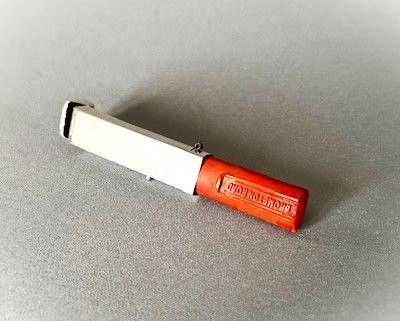


Red Sealing Wax Seal
A red sealing wax seal brings tactile history to your desk, offering a tangible link to Georgian and Victorian correspondence.
Red Sealing Wax Seal
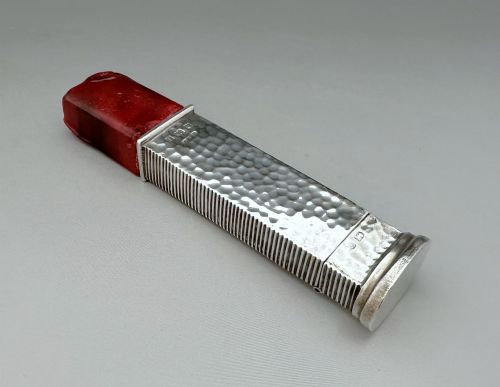
A red sealing wax seal encompasses a variety of desk accessories and portable items designed to secure documents with melted wax. When you search for this phrase, you encounter objects ranging from hanging fobs to combined vesta cases and desk seals.
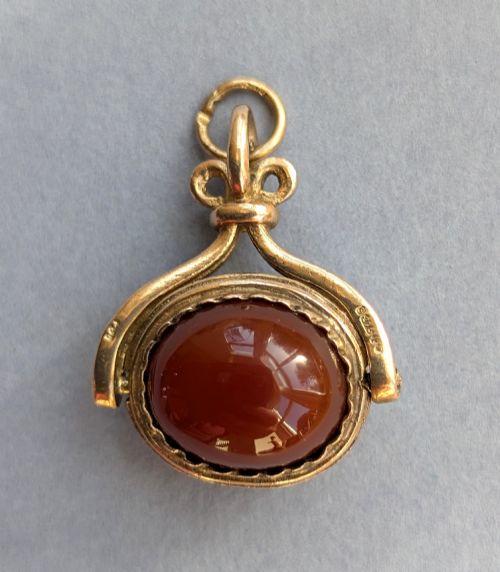
The pieces on this page span several eras, with examples originating from the eighteenth, nineteenth, and early twentieth centuries. Georgian and Victorian iterations dominate the selection, often taking the form of gold or gilt metal pendants.
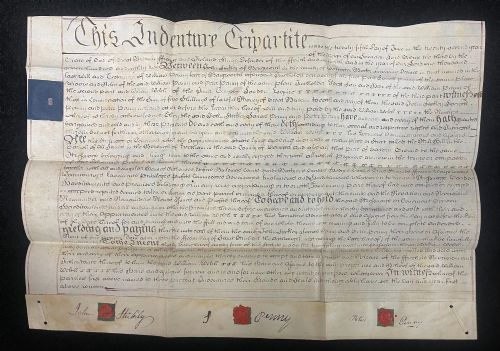
Materials vary from precious metals like nine carat gold and sterling silver to hardstones such as carnelian. Alongside dedicated fobs, the listings include vellum indentures and manuscripts that preserve the historical context of wax correspondence.
Materials and construction methods
Metalwork forms the backbone of these pieces, utilising nine carat gold, sterling silver, and gilt metal to shape the mountings and bodies. Artisans cast or fabricated these elements to securely house hardstone matrices or hold wax sticks.
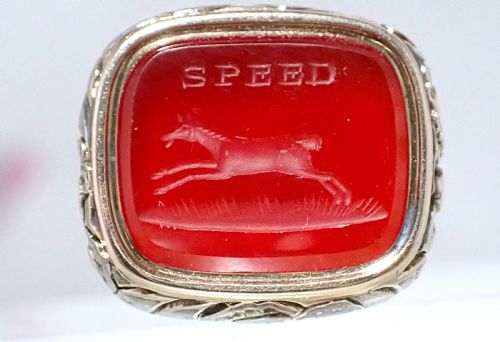
Carnelian appears frequently as the preferred stone for the seal face, chosen for its smooth surface and rich orange-red hue. Craftsmen engraved intaglio designs, crests, and personal names directly into the stone or metal matrix.
The listings span from the eighteenth century to the twentieth century, uniting gold fobs, silver vesta combos, and vellum documents.
Distinctions in quality and execution
Quality reveals itself in the crispness of the intaglio carving on the carnelian face and the weight of the gold or silver mount. Sharply defined lettering and detailed motifs, such as carved horses or Roman emperors, separate finer works from simpler productions.
The integration of mechanical elements, such as swivel mechanisms or combined vesta compartments, demonstrates higher levels of Victorian and Edwardian manufacturing skill. Surviving original vellum documents and boxes add historical depth to the physical pieces.
Sampson Mordan
The Red Sealing Wax Seal Glossary
- Fob seal
- A small pendant designed to hang from a pocket watch chain, featuring an engraved matrix at the base. These items served a practical daily purpose before the widespread adoption of adhesive envelopes.
- Carnelian
- A brownish-red mineral of the quartz family used extensively for seal matrices. Its hardness allowed carnelian to take a fine intaglio engraving without fracturing under pressure.
- Vesta case
- A small pocket box designed to hold matches, occasionally combined with a sealing wax holder in Edwardian designs. These combination pieces provided a portable kit for correspondence on the move.
- Intaglio
- A design incised into the surface of a stone or metal so that an impression in wax produces a raised relief. This technique ensures the stamped image remains clear and durable.
Red Sealing Wax Seal: Frequently Asked Questions
How were these seals actually used?
Users melted sealing wax over the fold of a document or letter. They then pressed the matrix of the fob or desk seal into the hot wax to leave a distinct impression.
This impression served as a secure closure and a personal signature, ensuring the contents remained private during transit.
What metals are typically found on these pieces?
The pieces feature nine carat gold, sterling silver, and gilt metal mountings. Gold-cased and silver-coloured examples also appear across different periods.
These metals provide the durable structure necessary to hold the carved stones and endure daily handling.
How do I identify a Georgian fob seal?
Georgian examples often display substantial gold mountings combined with carnelian stones. The engraving styles reflect eighteenth and early nineteenth-century motifs, such as classical figures or personal mottoes.
Examining the overall construction and hallmarks, where present, helps date the piece to the Georgian era.
Can I still use an antique seal with modern wax?
Yes, the stone and metal matrices remain sturdy enough to impress into modern sealing wax. Ensure the matrix is clean before use to preserve the detail of the original intaglio.
Gentle handling protects the historical engraving while allowing you to experience the traditional sealing process.