


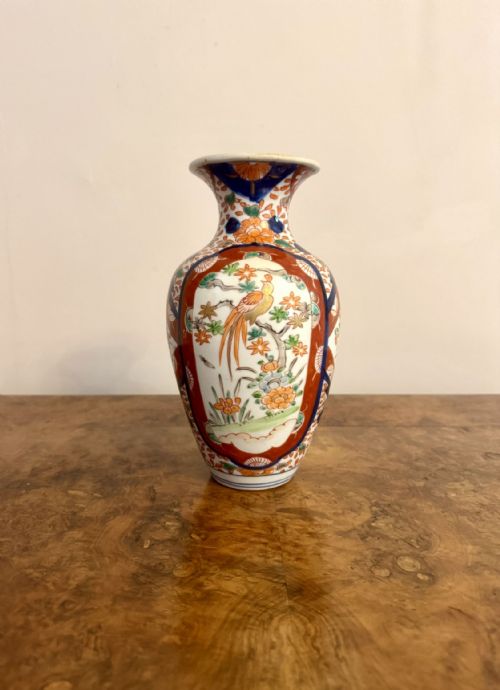


Red Porcelain Bird
These red porcelain bird pieces combine delicate ceramic forms with striking crimson pigments, offering a brilliant decorative accent for any room.
Red Porcelain Bird
When you search for red porcelain bird items, you encounter a fascinating mix of European and Asian ceramic traditions spanning several centuries. The selection ranges from early eighteenth century English dishes to intricate Japanese Meiji period plates and chargers.
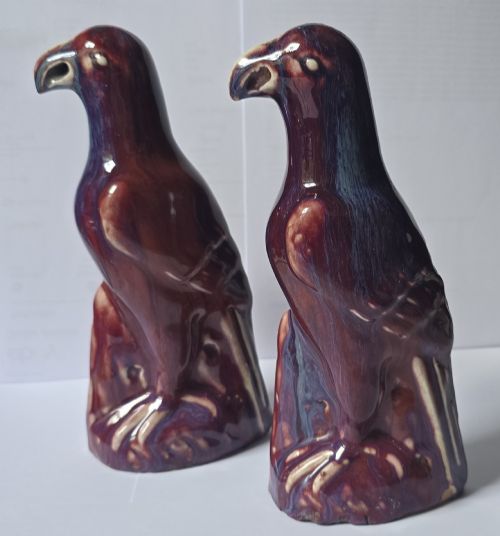
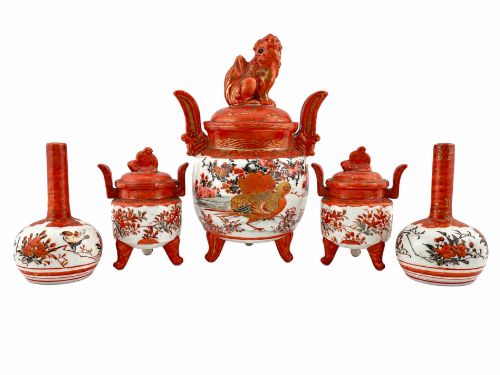
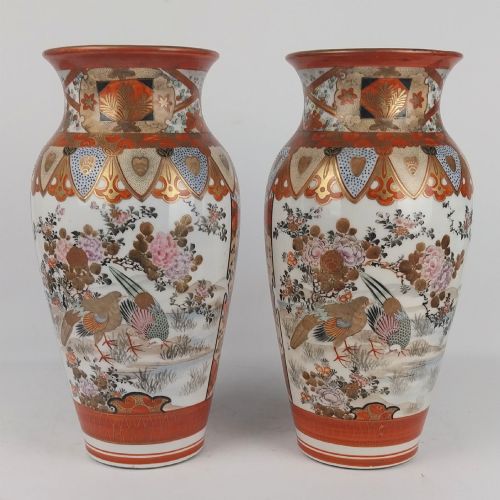
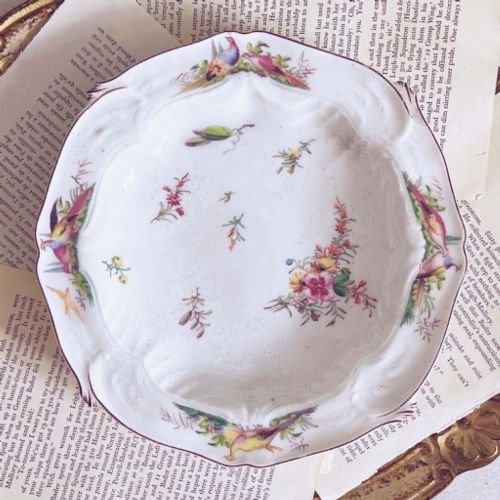
You are most likely to meet Japanese Imari and Kutani wares featuring hand painted avian motifs, alongside European porcelain figures such as the Meissen parrot. These objects take the form of chargers, plates, vases, and moulded dishes.
The decorative subjects include exotic birds, phoenixes, cranes, and house sparrows rendered in vibrant iron red enamels often combined with gold leaf or black accents. Each piece demonstrates the enduring appeal of ornithological themes in historic ceramics.
How they were made
Makers utilised soft-paste porcelain and standard ceramic bodies, shaping them into plates, chargers, and freestanding animal figures through moulding or throwing on the wheel. The surfaces received detailed handpainting using mineral pigments and vibrant enamels.
Gilding and gold leaf application frequently highlighted the painted designs, adding metallic brilliance to the crimson bird motifs. Protective glazes sealed the surface before final firing in kilns.
Some specialised techniques included totai pieces combined with cinnabar lacquer or lacquer over-paint, creating complex textured finishes across the porcelain body.
Red Porcelain Bird Retail Price Guide 2026
Typical asking prices for red porcelain bird among the pieces listed under this phrase on Sellingantiques today, from the lower quarter to the upper quarter. They describe what is for sale here now, not the wider market.
Listings feature porcelain forms spanning the eighteenth and nineteenth centuries, including Japanese Imari plates and European figures.
What varies in quality
The finesse of the handpainting dictates the visual success of the piece, separating standard production wares from masterworks with finely articulated feathers and expressive bird forms. Precision in the iron red enamel and the crispness of any moulded relief reveal the maker's skill.
The preservation of delicate details like gold leaf and over-glaze lacquer heavily influences the integrity of the object. Pieces that retain their original polychrome vibrancy without excessive rubbing command greater appreciation.
Kinrin Workshop·Shozo·Meissen·Coalport
The Red Porcelain Bird Glossary
- Imari
- A style of Japanese export porcelain decorated in underglaze blue, iron red, and gold. This traditional palette creates a rich, patterned surface popular in the Edo period.
- Kutani
- Japanese porcelain and pottery originating from Kaga province, known for bold polychrome enamel designs. Iron red and gold are frequently dominant in these pictorial compositions.
- Totai
- A technique involving lacquer applied over a ceramic or porcelain core. It merges the tactile qualities of lacquerwork with the rigid structure of pottery.
- Soft-paste porcelain
- An artificial porcelain compound composed of clay and glass frit. It was fired at lower temperatures than hard-paste and possesses a warm, slightly creamy glaze.
- Moulded dish
- A ceramic vessel formed by pressing clay into a carved matrix rather than throwing on a wheel. This method allowed for consistent raised patterns and sculptural shapes.
Red Porcelain Bird: Frequently Asked Questions
What is a red porcelain bird?
A red porcelain bird refers to ceramic plates, vases, and figures decorated with avian motifs rendered predominantly in iron red enamel. These pieces originate from various European and Asian kilns.
They serve primarily as decorative display items, showcasing historic ceramic artistry and detailed bird painting.
How do I identify Meiji period pieces?
Meiji period items date between eighteen sixty-eight and nineteen twelve, often displaying dense Imari or Kutani patterns. Look for characteristic iron red pigments combined with gold detailing.
These Japanese wares frequently feature chargers and vases decorated with phoenixes, cranes, or exotic birds.
Were these items used daily?
Many chargers, plates, and dishes served as display pieces rather than everyday tableware due to their intricate enamel and gold leaf decoration. Porcelain figures were placed on mantelpieces or tables as ornament.
Their survival in good condition suggests careful handling and preservation by past owners.
How should I display them?
Display chargers and plates securely using appropriate wall mounts or sturdy plate stands to showcase the painted bird designs. Keep porcelain figures and vases out of direct sunlight to protect the enamel colours.
Provide stable shelving away from high traffic areas to prevent accidental knocks.