




Red Marble Console
A red marble console brings striking veining and a smooth stone surface into a room, offering both practical display space and a strong decorative presence.
Red Marble Console
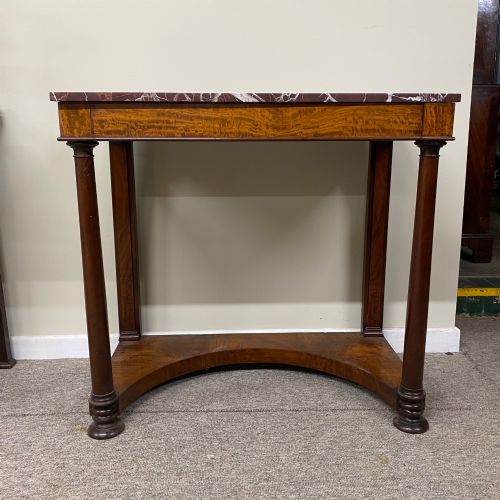
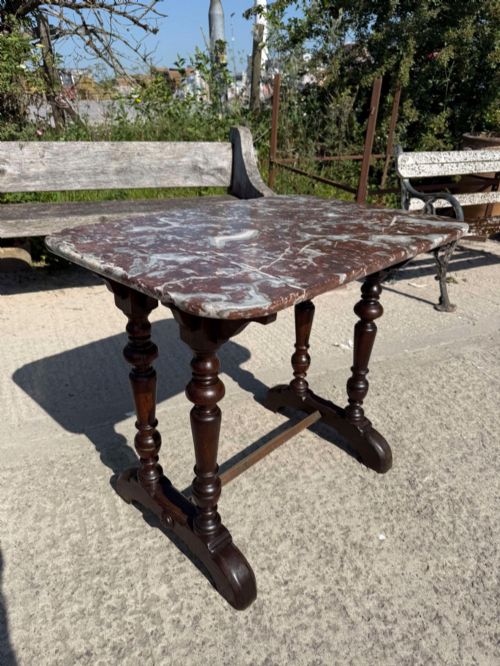
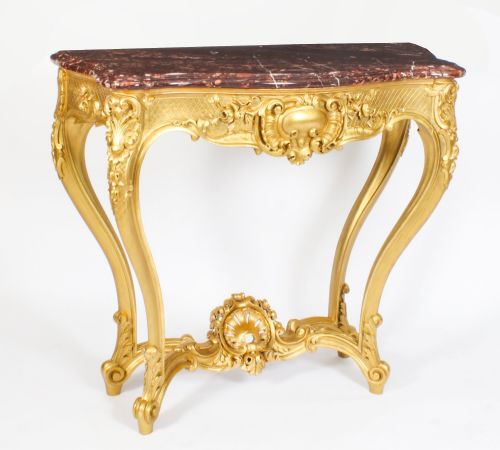
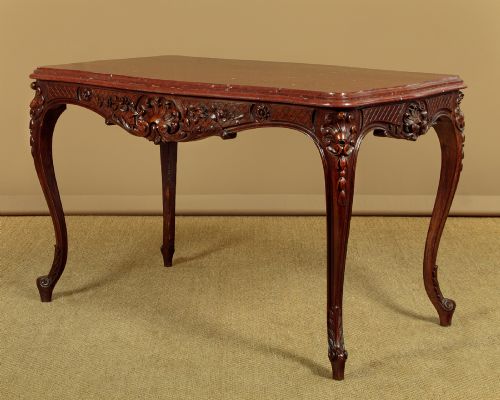
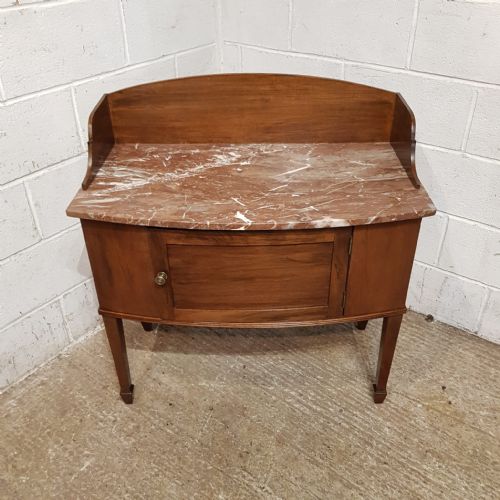
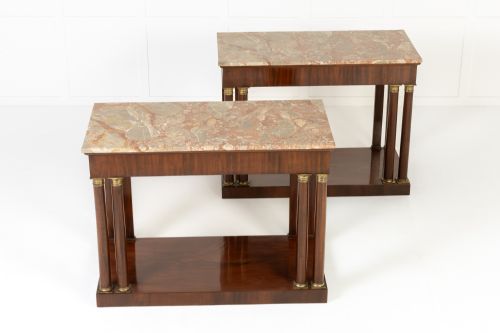
A red marble console typically presents as a wall-abutting table, pier table, or washstand topped with striking red or rouge stone, originating from periods such as the eighteenth and nineteenth centuries.
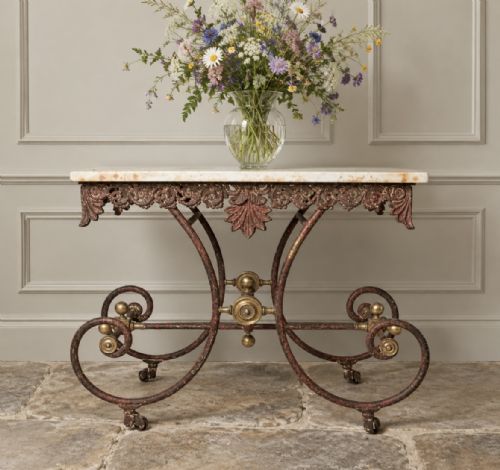
The form spans formal Italian Neoclassical and French Empire styles alongside simpler Edwardian washstands and French baker or butcher tables, reflecting varied domestic and formal uses across Europe.
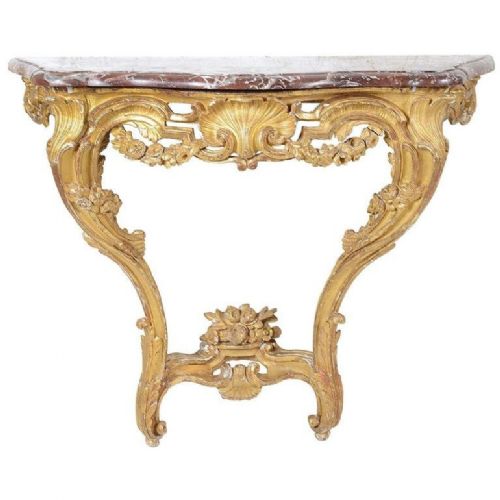
Buyers seeking a red marble console will encounter mahogany, walnut, and giltwood frames alongside iron supports, each pairing the weight of stone with carved timber or metalwork.
How they were made
Craftsmen paired heavy marble slabs with dense timbers like mahogany, walnut, and rosewood, often shaping the timber into cabriole legs or straight, fluted supports.
Giltwood frames required intricate hand-carving before receiving layers of gold leaf, while iron tables utilised cast or wrought metal components to support the cold stone top.
Red Marble Console Retail Price Guide 2026
Typical asking prices for red marble console among the pieces listed under this phrase on Sellingantiques today, from the lower quarter to the upper quarter. They describe what is for sale here now, not the wider market.
Some nineteenth-century French tables originally served to chop meat before finding new life as grand decorative consoles.
What varies in quality
The depth of carving in the wooden or gilt frames and the richness of the marble veining distinguish finer pieces from simpler domestic washstands.
Construction details, such as the joinery in the mahogany or walnut bases and the original integration of the stone top, dictate the overall integrity of the table.
The Red Marble Console Glossary
- Console table
- A table designed to stand against a wall, frequently secured to it or supported by two front legs.
- Rouge marble
- A deep red variety of limestone often marked with white or grey veins, prized for decorative tabletops.
- Giltwood
- Timber, typically lime or pine, coated with a thin layer of gold leaf over a prepared gesso ground.
- Pier table
- A low table designed to stand against the wall directly beneath a pier glass mirror.
- Neoclassical
- A style spanning the eighteenth and early nineteenth centuries drawing inspiration from classical antiquity.
Red Marble Console: Frequently Asked Questions
How do I clean a marble top?
Wipe the surface gently using a soft, damp cloth and neutral soap, avoiding acidic cleaners that can etch the stone.
Dry the marble thoroughly afterwards to maintain its natural polish and prevent water marks.
Where should I place a console table?
These tables sit naturally in a hallway, drawing room, or beneath a large mirror to anchor the wall space.
Ensure the room has sufficient clearance, as the combination of stone and carved timber makes them heavy and prominent.
Are washstands sturdy enough for daily use?
Washstands were originally built to hold basins and water jugs, meaning their wooden frames are generally robust.
Modern placement benefits from checking that the marble sits securely on the timber base without excessive movement.
How do I identify a French Empire style?
French Empire pieces often feature dark mahogany timbers paired with gilt bronze mounts and strong, architectural lines.
They reflect an aesthetic popular in the nineteenth century that favoured classical Roman and Greek motifs.