





Red Lidded Jar
These red lidded jar examples bring together centuries of porcelain, glass and pottery traditions, offering a functional vessel that doubles as a striking display piece.
Red Lidded Jar
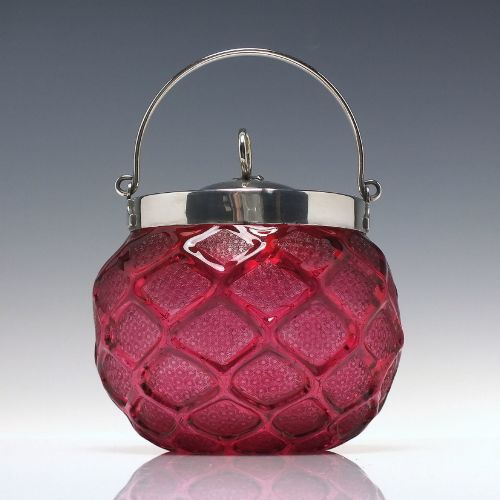
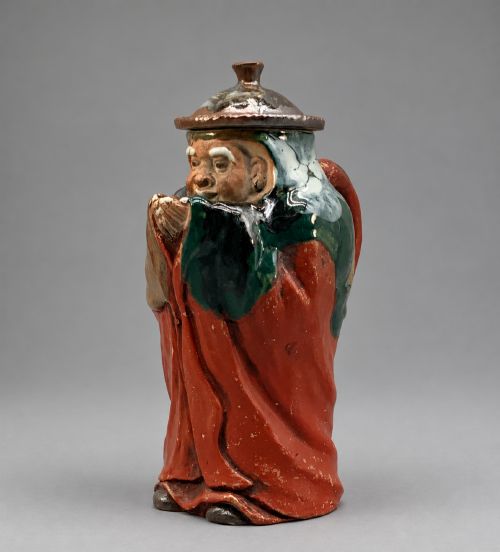
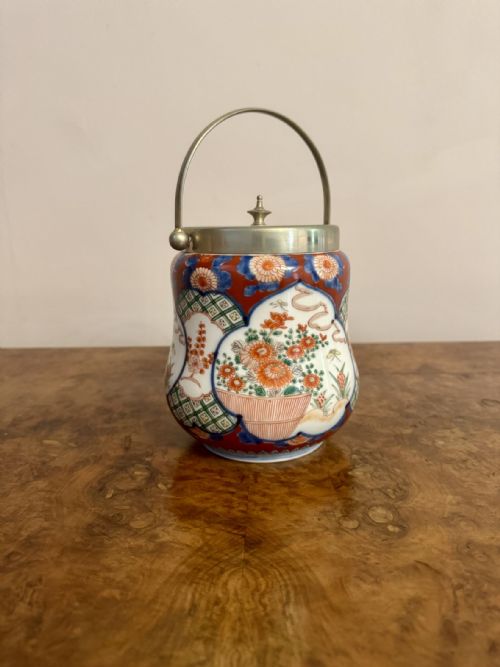
A red lidded jar most frequently appears on this page as a Japanese Imari porcelain vessel or a Victorian cranberry glass biscuit barrel. These covered containers span multiple periods, ranging from the 18th century through the Edwardian era.
Makers utilised various forms, including ginger jars, pot pourri pots, biscuit barrels and vases with matching covers. The primary aesthetic draws heavily on Imari palettes, rich cranberry glass tones and Continental ceramic traditions.
How they were made
Potters and glassmakers shaped these vessels using traditional techniques involving porcelain clay bodies, blown cranberry glass and ironstone. Decoration relied on handpainted glazes, often incorporating rich gilding and enamel highlights.
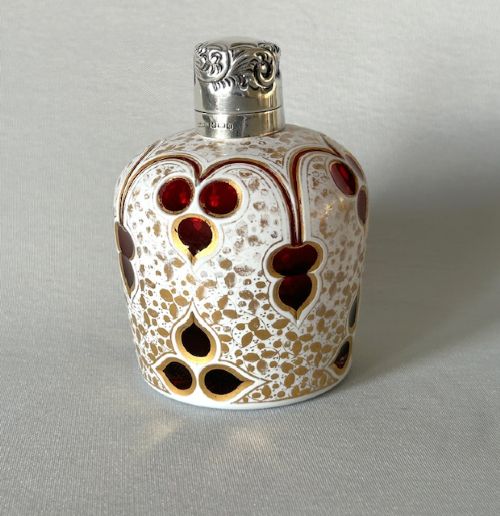
Many examples incorporate fitted mounts made from silver or silver plate, particularly on Edwardian and Victorian glass pieces originating from Birmingham or Bohemia.
Red Lidded Jar Retail Price Guide 2026
Typical asking prices for red lidded jar among the pieces listed under this phrase on Sellingantiques today, from the lower quarter to the upper quarter. They describe what is for sale here now, not the wider market.
Victorian households took their biscuit storage seriously enough to house them in ruby-tinted glass barrels topped with gleaming silver.
What varies in quality
The standard of painting and the crispness of the underglaze Imari palette determine the visual success of the ceramic pieces. Finer specimens display detailed brushwork and consistent colour saturation across both the vessel and its matching cover.
The weight and clarity of the cranberry glass, alongside the integrity of any applied silver mounts or gold leaf detailing, separate standard production items from finer studio or factory outputs.
Masons Ironstone·Herend·Samson
The Red Lidded Jar Glossary
- Imari
- A style of Japanese porcelain decorated in underglaze blue, iron red, and gilt, which heavily influenced European potteries.
- Biscuit Barrel
- A covered container traditionally used for storing dry biscuits or cookies on the dining table during the Victorian and Edwardian periods.
- Cranberry Glass
- A type of transparent red glass created by adding gold chloride to the molten glass batch during the 19th century.
- Arita
- The Japanese town and surrounding region famous as the cradle of Japanese porcelain production.
- Pot Pourri
- A vessel featuring a pierced or perforated cover designed to hold dried fragrant plant materials for scenting rooms.
Red Lidded Jar: Frequently Asked Questions
What is a red lidded jar used for?
These vessels served various domestic purposes historically, functioning as storage containers for dry goods like biscuits or tea, or acting purely as decorative ornaments on mantlepieces.
Today, they are largely utilised as accent pieces to introduce colour and historical character into interior spaces.
How do I tell Japanese Imari from European copies?
Japanese Imari pieces typically feature characteristic body textures, characteristic underglaze blue tones, and specific iron red hues developed in the Arita kilns during the Edo and Meiji periods.
European factories often produced imitative styles using ironstone or different paste compositions that reveal distinct potting characteristics upon close inspection.
What period are cranberry glass jars from?
Cranberry glass jars on this page predominantly date from the late 19th century, specifically the Victorian and Edwardian eras.
These glass pieces frequently incorporate silver plated mounts or decorative enamel work typical of British manufacturing between 1880 and 1920.