


Red Glazed Urn
A red glazed urn delivers rich, striking colour and sculptural presence, making it a focal point in any room.
Red Glazed Urn
A red glazed urn is a decorative vessel defined by its vibrant crimson or oxblood surface, drawing the eye in any interior setting. Collectors search for these pieces to add a dramatic splash of colour and classical form to a room.
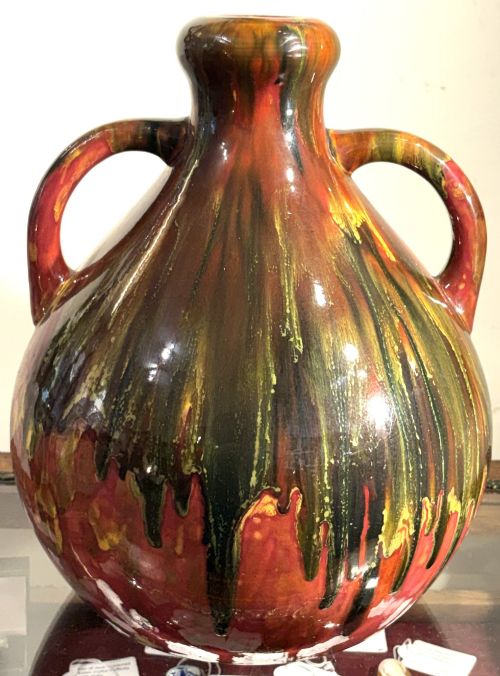
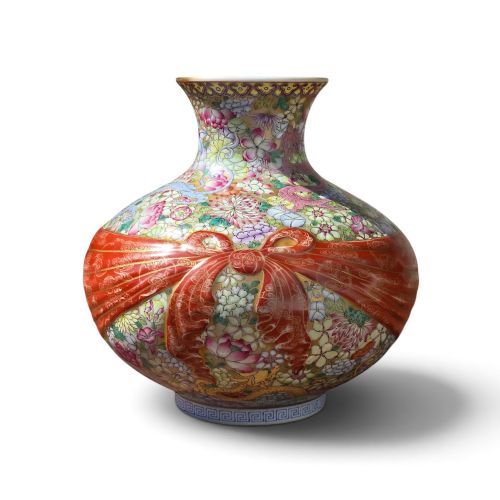
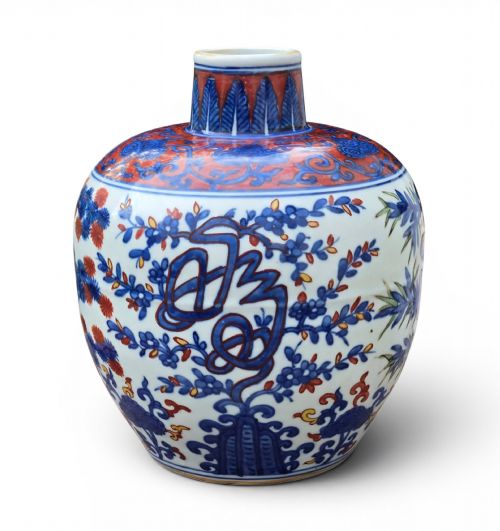
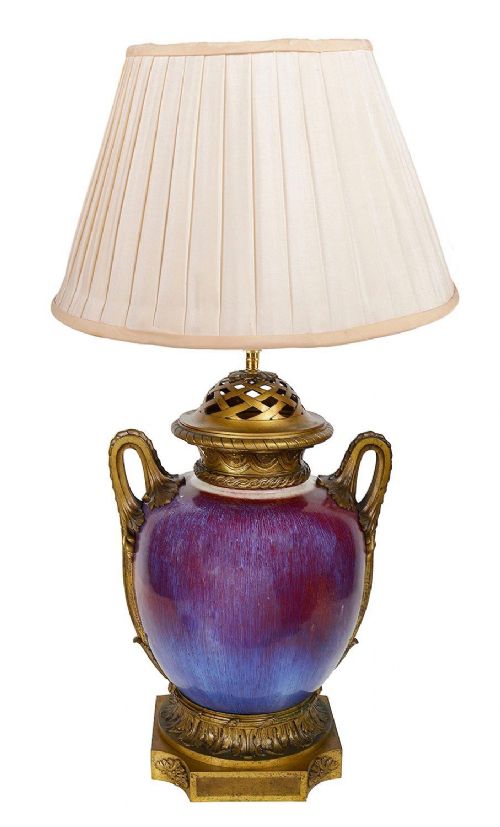
The red glazed urn items available here span several centuries and traditions, ranging from nineteenth-century Japanese Imari and Chinese porcelain to European art pottery. These vessels appear in various forms, including large baluster vases, lidded jars, and converted table lamps.
European examples include Victorian art pottery and French ceramics, alongside Continental Maiolica pieces featuring Chinoiserie decoration. Asian pieces bring centuries of ceramic history to the selection, from Ming dynasty jars to late Qing porcelain.
How they were made
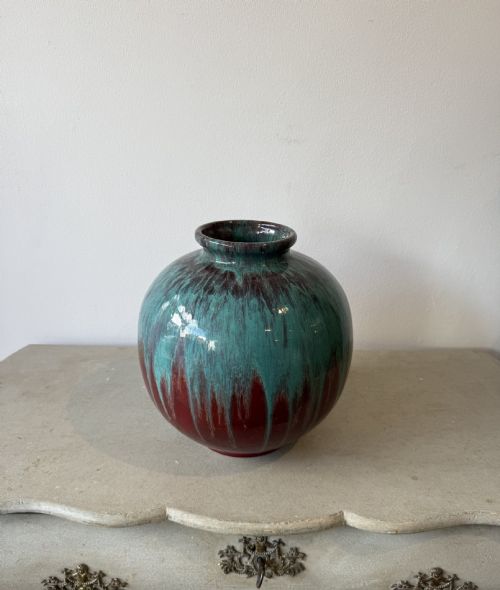
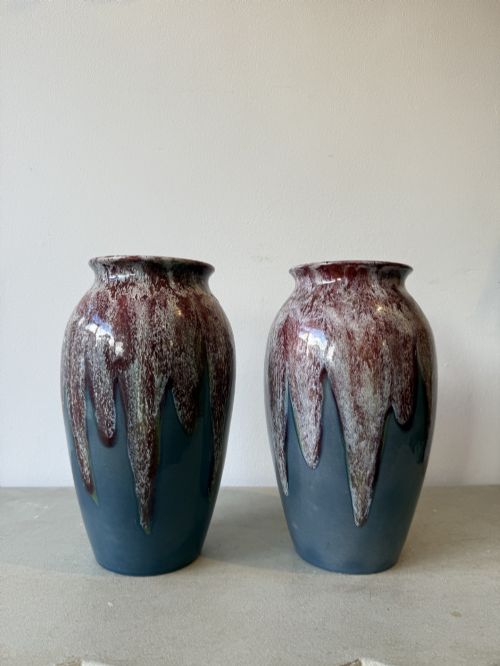
Makers shaped these vessels using porcelain, earthenware, stoneware, and ceramic, applying specialised mineral glazes to achieve the characteristic red surface. Techniques such as underglaze painting and drip glazing created varied surface textures and depth.
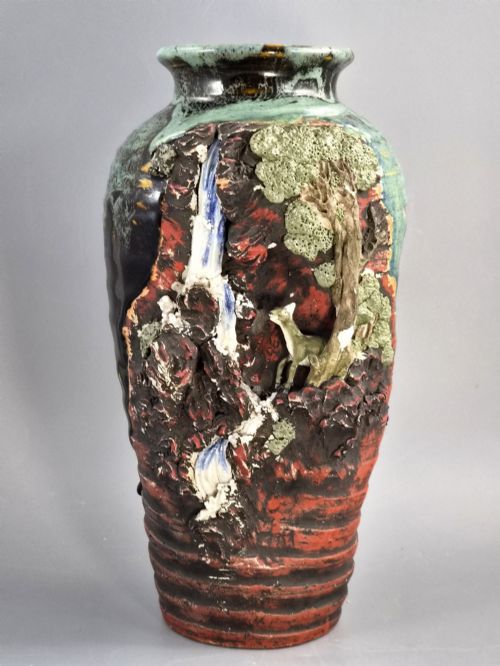
Many pieces incorporate additional ornamentation, including gold leaf accents, enamel details, and applied brass fittings. Some Japanese works feature sculptural landscape elements modelled directly onto the body of the vase.
Listings feature pieces spanning from the sixteenth century to the Edwardian period, utilising porcelain, earthenware, stoneware, and brass.
What varies in quality
Quality rests in the depth and control of the glaze, where rich copper-red tones and even distribution distinguish superior works. The complexity of the vessel's form and the precision of any hand-painted or sculptural details also set finer pieces apart.
The integrity of the ceramic body and the preservation of surface decoration determine the overall standing of an item. Pieces bearing specific period marks or associated with notable workshops command greater attention from collectors.
The Red Glazed Urn Glossary
- Sang du Boeuf
- Oxblood glaze. This rich copper-red ceramic glaze originated in China and became highly prized by European and Asian potters alike.
- Maiolica
- Tin-glazed earthenware. This Italian pottery tradition is known for its bright colours and opaque white surface.
Red Glazed Urn: Frequently Asked Questions
How do I date a red glazed urn?
Dating relies on examining the ceramic body, glaze characteristics, and any makers' marks or reign stamps present on the base. Stylistic cues such as form and decorative motifs also help align a piece with specific periods like the Meiji era or the nineteenth century.
Comparing the manufacturing technique with known examples from workshops or potteries provides further confirmation of age. Certain glazes and potting styles were particular to specific decades or centuries.
Were these urns used as lamps?
Many urns and vases were converted into table lamps during the nineteenth and twentieth centuries to suit contemporary lighting needs. This often involved mounting the ceramic vessel on a brass base and drilling for electrical wiring.
Such conversions were common practice for decorative oriental and European porcelain. Collectors find both original display urns and period lamp conversions within these listings.
How do I care for a ceramic urn?
Maintenance requires gentle dusting with a soft, dry cloth to protect the glaze and any delicate enamel or gold leaf details. Avoid using harsh chemical cleaners or submerging the vessel in water.
Keeping the piece out of direct sunlight prevents the vibrant red glaze and painted accents from fading over time. Secure placement on a stable surface safeguards against accidental tipping.
What is art pottery?
Art pottery describes ceramic wares produced from the late nineteenth century onwards by studios and potteries focusing on artistic expression. These pieces often feature experimental glazes, hand-modelled forms, and distinctive surface textures.
Movement styles like Arts and Crafts and Victorian art pottery fall under this broad category. Makers prioritized individual craftsmanship over mass production.