

Red Glaze Vase
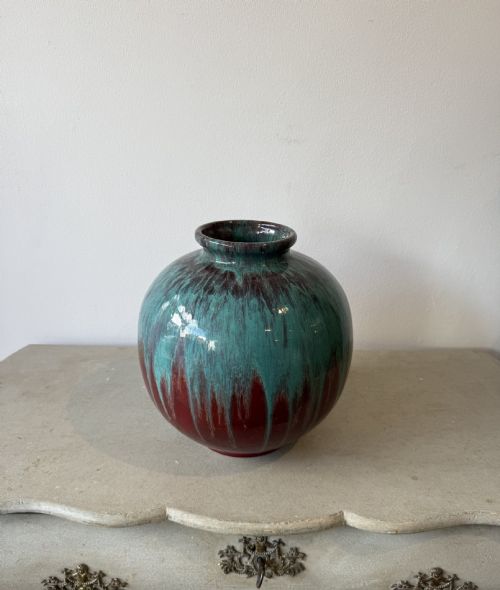
These red glaze vase examples bring together rich metallic oxides and high-temperature firing, offering striking focal points for a room.
Red Glaze Vase
When you search for a red glaze vase, you encounter diverse ceramic traditions ranging from nineteenth-century English art pottery to Chinese monochrome porcelains and Japanese earthenware. The selection spans the sixteenth century up through the Edwardian period and the early twentieth century, taking the form of baluster vases, sculptural jars, and converted lamp bases.
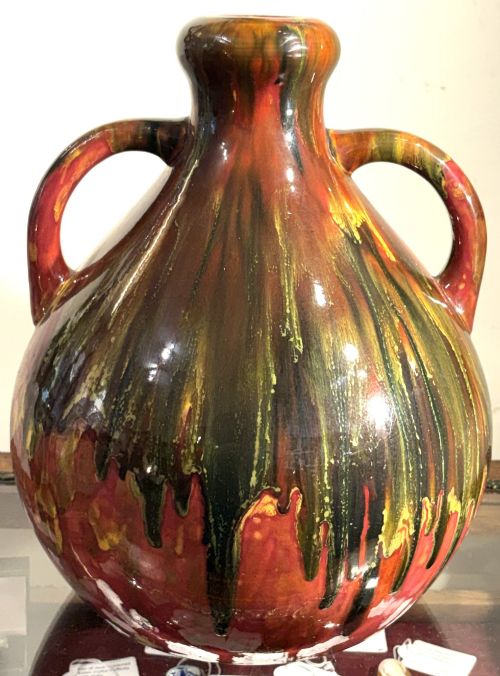
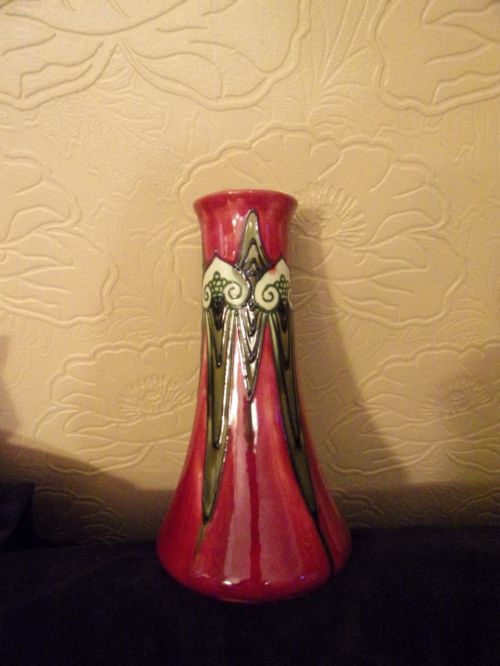
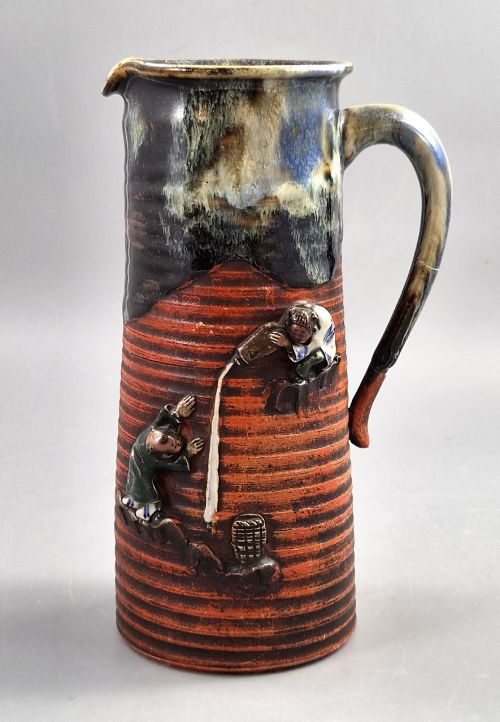
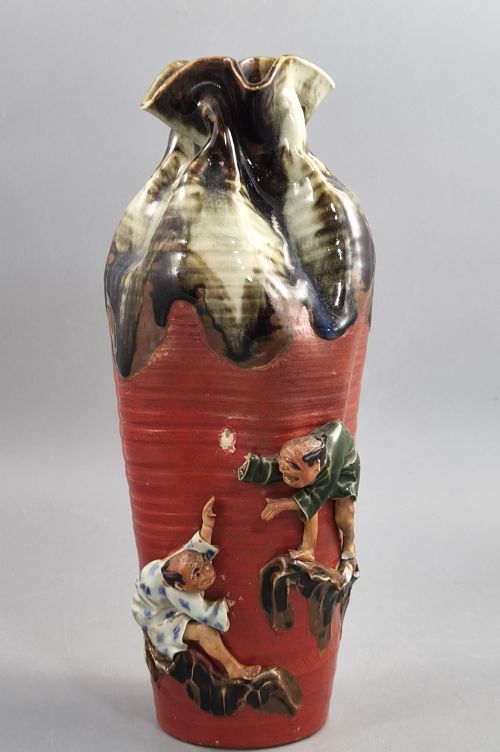
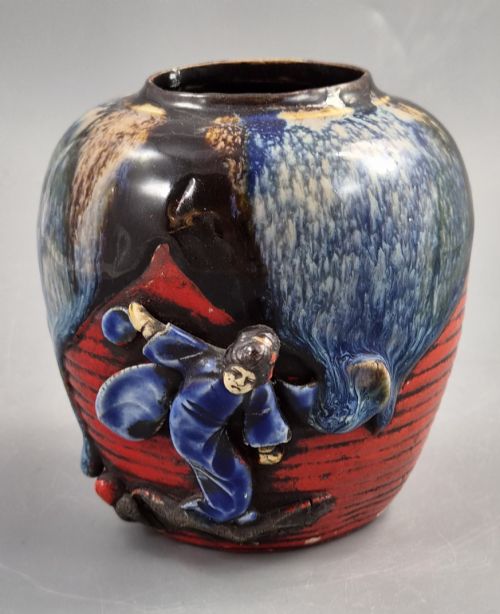
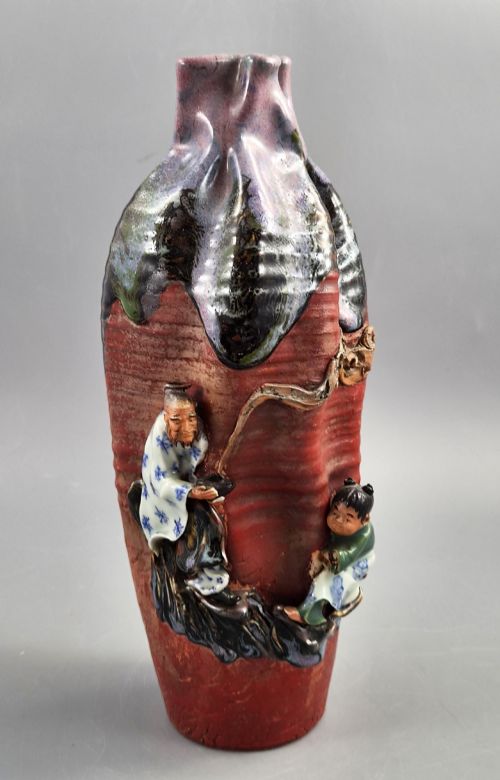
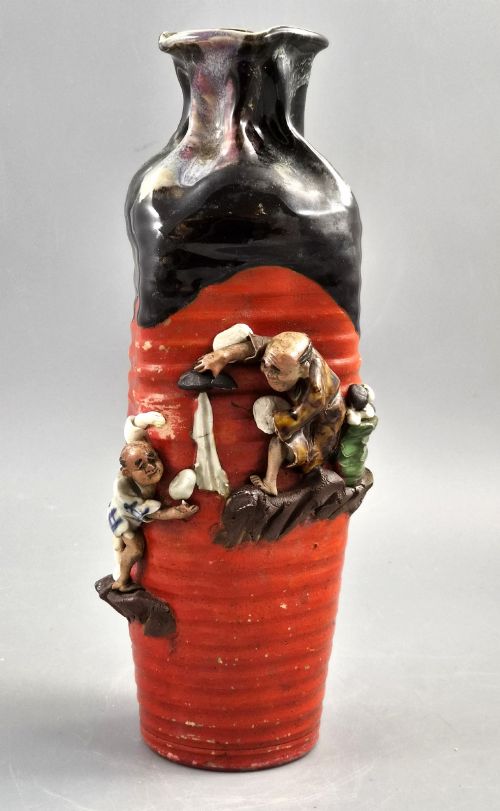
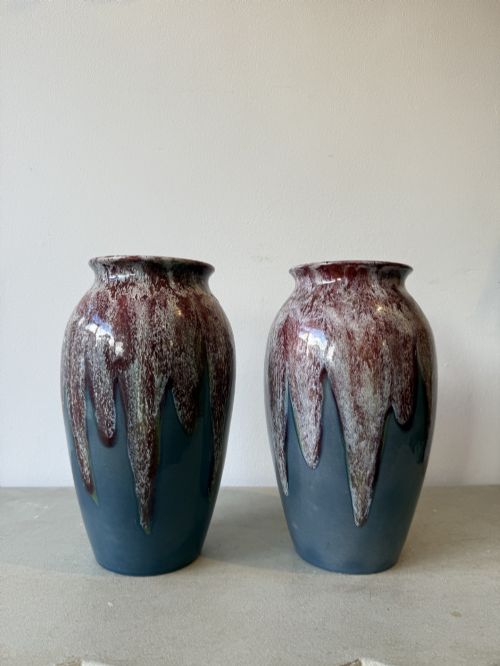
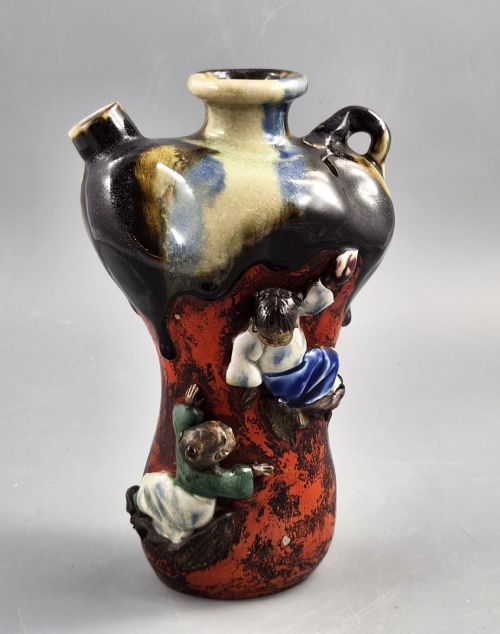
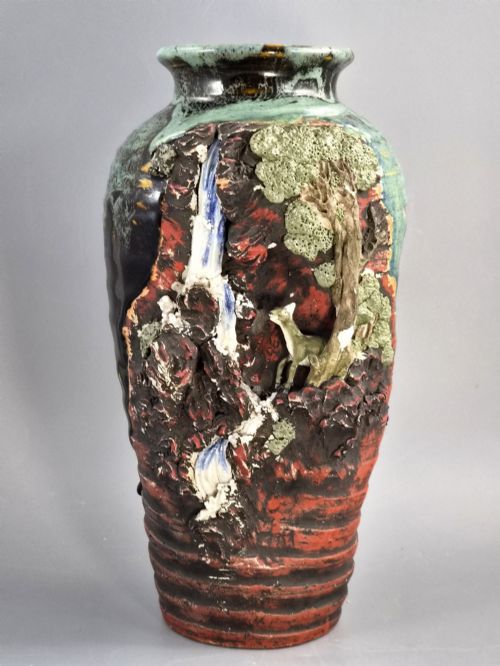
The most frequent examples on this page are Japanese Sumida Gawa pieces from the Meiji and Taisho periods, alongside English art pottery from makers such as Burmantofts and Moorcroft. These items combine utilitarian vessel forms with deeply textured glazes, molten drips, and applied figural ornamentation.
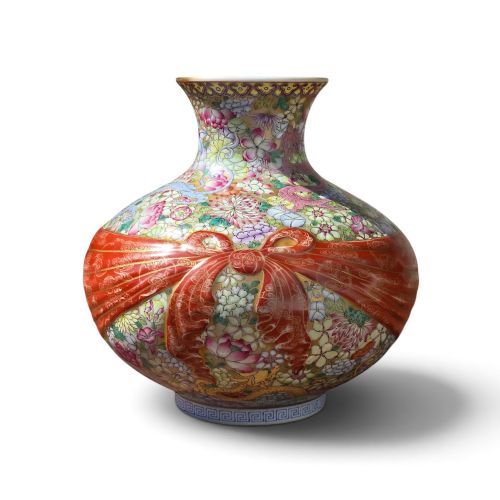
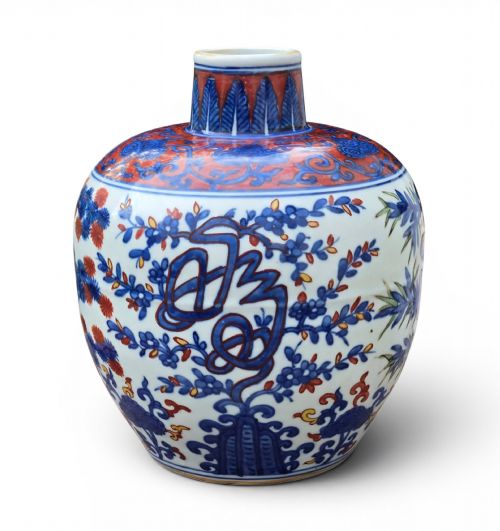
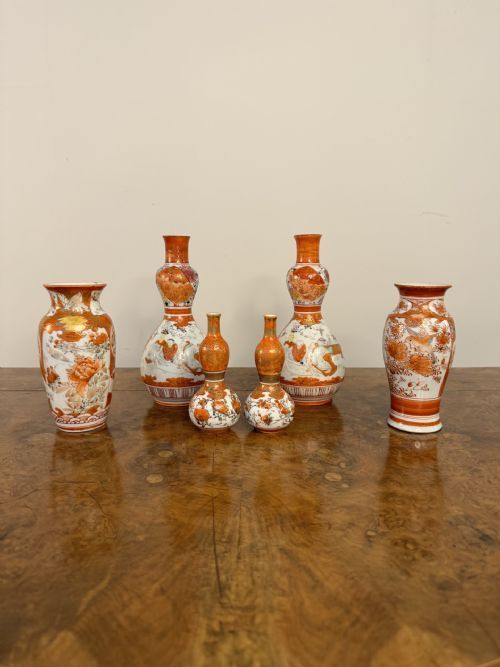
Vessels originating from Chinese kilns also appear regularly, displaying deep copper-red monochrome surfaces known as Sang de Boeuf alongside intricate iron-red enamel decorations. Buyers encounter everything from tall cylindrical shapes to twin-handled continental majolica and French ceramic bodies.
How they were made
Makers utilised earthenware, stoneware, and porcelain bodies, depending on the regional workshop and the intended firing temperature. Earthenware and porous ceramic bodies received opaque glazes or slip decoration, while stoneware and porcelain sustained the intense heat required for complex chemical reactions in the kiln.
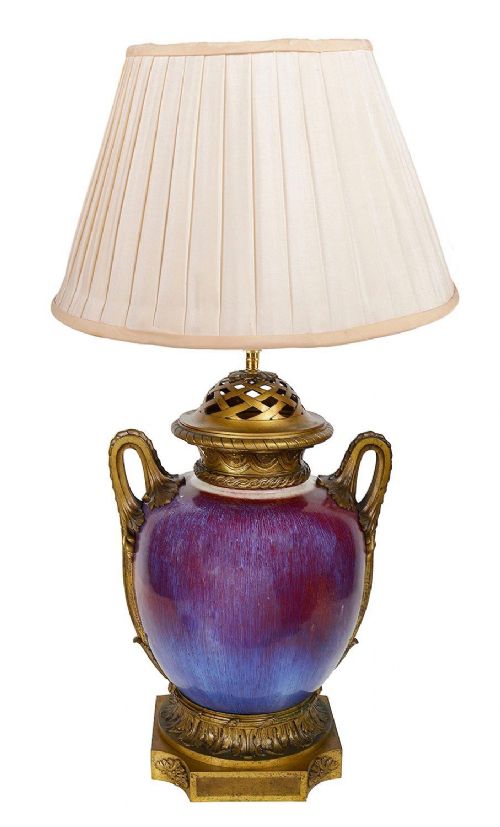
The characteristic red coloration arises primarily from copper or iron oxides mixed into the glaze formula. Flambé and drip effects occur when reduction firing causes these metallic elements to streak, pool, and mottle unpredictably across the surface during cooling.
Additional decorative techniques include tube-lining with clay to contain wet glazes, hand-painting with iron-red enamel pigments, and applying sculptural figures directly onto the exterior wall of the vessel.
Several Japanese vases feature tiny applied figures of sages and children seemingly attempting to climb the slippery glaze walls.
What varies in quality
Quality rests upon the control and depth of the chemical reaction within the glaze. Superior examples display a luminous, multi-layered depth where copper or iron reductions create subtle crystalline mottling rather than a flat, uniform coat of pigment.
The crispness of the underlying form and any applied decoration differentiates standard production pieces from exceptional ones. Well-modelled figural elements and clean potting lines indicate a higher level of workshop execution and artistic intent.
Provenance and signature marks also elevate certain works, particularly where renowned designers or specific studio periods are documented on the base.
Burmantofts·Moorcroft·Inoue Ryosai·Ruskin·Macintyre and Company
The Red Glaze Vase Glossary
- Flambé glaze
- A streaky, variegated glaze produced by high-temperature reduction firing that causes copper oxides to shift in colour. This technique creates dramatic pools of red, purple, and blue across the ceramic surface.
- Sang de Boeuf
- A deep, rich copper-red monochrome glaze developed in Chinese kilns. The term translates from French as ox-blood.
- Tube-lining
- A ceramic decoration technique where a thin line of liquid clay is squeezed through a nozzle onto the unglazed body to form raised outlines. These raised borders hold pools of coloured glaze separate during firing.
- Iron-red
- An overglaze enamel colour derived from iron oxide used in Chinese porcelain decoration. It yields a distinctive rust-red tone often combined with gilt or underglaze blue.
- Earthenware
- Porous pottery fired at lower temperatures that requires an applied glaze to become watertight. It forms the body of many nineteenth-century art pottery pieces.
Red Glaze Vase: Frequently Asked Questions
How do I clean a glazed ceramic vase?
Dust the surface gently with a soft, dry cloth to remove everyday particles. Avoid using liquid cleaners or chemical solvents that might penetrate historic glaze craquelure or damage applied surface details.
Keep the vessel away from direct, prolonged sunlight to prevent any fading in organic enamel pigments. Handle the piece strictly by the body rather than relying on delicate handles or applied figural elements.
What causes the red colour in these glazes?
The red tones come primarily from metallic oxides, most commonly copper or iron, mixed directly into the liquid glaze. When fired in a kiln with restricted oxygen, these minerals undergo chemical changes that yield deep crimson, rust, or ox-blood shades.
Exact temperature fluctuations and placement within the kiln chamber dictate whether the final surface turns out uniform or exhibits streaky flambé patterns.
Can I use these antique vases for fresh flowers?
Many historic ceramic vessels feature porous bodies or historical hairline fractures that are not guaranteed watertight. Using them with liquid water risks damaging the interior clay body or staining old secondary repairs.
It is safer to display them dry or utilise a discreet, modern glass insert inside the vessel if you wish to hold cut stems.
How do I date a Japanese Sumida Gawa vase?
These distinct pieces generally date from the Meiji and Taisho periods, spanning the late nineteenth and early twentieth centuries. Look for characteristics such as raw, unglazed clay areas contrasting with thick, dripping flambé glazes and applied clay figures of sages or children.
Signature stamps or incised artist marks on the base often help narrow down the specific workshop or individual maker.