




Red Gemstone Pendant
A red gemstone pendant brings a rich focal point to the neckline, drawing on centuries of gold work and vibrant stones.
Red Gemstone Pendant
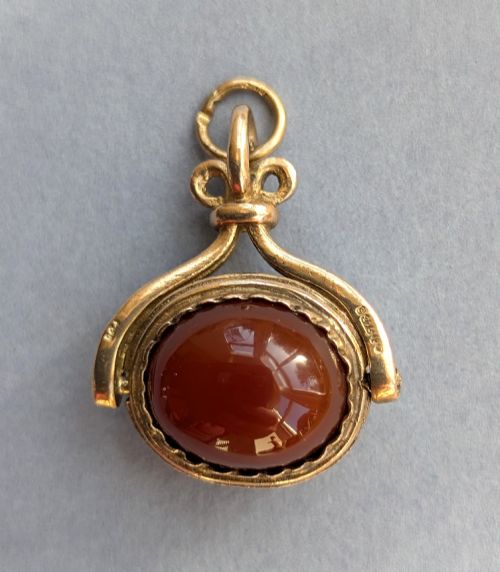
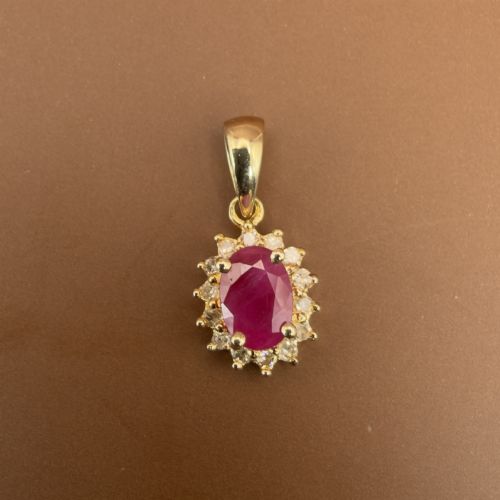
A red gemstone pendant encompasses a range of historical styles, from Georgian fobs to Victorian clusters and mid-century designs. Buyers exploring this category encounter varied forms such as fringe necklaces, swivel fobs, and convertibles that double as brooches.
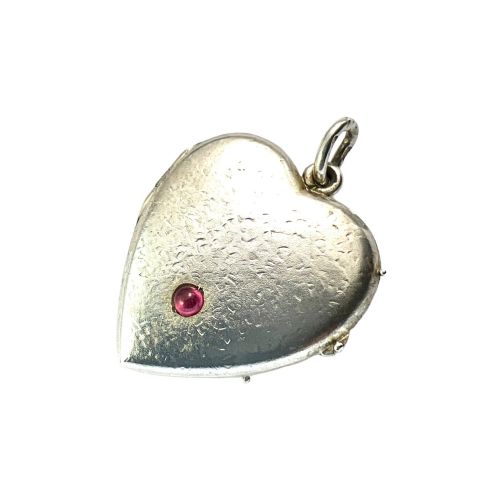
The materials span from deep red garnets and rubies set in nine-carat and fourteen-carat gold to silver lockets and carnelian stones. Victorian and Edwardian examples sit alongside pieces from the nineteen-fifties, offering distinct aesthetic choices for daily wear or collection.
Materials and Construction
Goldsmiths utilised yellow and rose gold, alongside silver and gilt metals, to house rubies, garnets, and carnelian. Stones appear in cluster settings, fringe drops, and engraved swivel mounts.
Techniques range from traditional claw and collet settings to detailed engraving and cluster arrangements that maximise the play of light through red stones.
Red Gemstone Pendant Retail Price Guide 2026
Typical asking prices for red gemstone pendant among the pieces listed under this phrase on Sellingantiques today, from the lower quarter to the upper quarter. They describe what is for sale here now, not the wider market.
Listings feature items spanning the Georgian, Victorian, and Edwardian eras up to the nineteen-sixties, set in gold and silver.
Assessing Quality and Character
Quality rests in the depth of colour within the stones, the integrity of the metal settings, and the precision of the hand-engraving or cluster assembly. Original gemstone combinations and documented provenance elevate certain pieces above standard production.
Condition matters regarding the security of the stones in their claws and the preservation of any associated gold chains, fobs, or convertible mechanisms.
The Red Gemstone Pendant Glossary
- Fob
- A short chain or pendant attached to a pocket watch, frequently adapted into decorative necklace pendants featuring swivel stones like carnelian.
- Cluster pendant
- A central gemstone surrounded by a ring of smaller stones, typically diamonds or contrasting gems, to enhance visual impact.
- Collet setting
- A flat band of metal pressed closely around the girdle of a gemstone to hold it securely in place.
- Bohemian garnet
- Deep red pyrope garnets mined in the Czech region, often densely clustered together in nineteenth-century jewellery.
Red Gemstone Pendant: Frequently Asked Questions
How do I date a red gemstone pendant?
Dating relies on identifying the metal purity marks, stone cut, and overall construction style, such as Victorian cluster work or mid-century minimalist mounts.
Examining the reverse of the pendant often reveals construction methods specific to Georgian, Victorian, or later periods.
Can I wear these pendants every day?
Many nine-carat and fourteen-carat gold pieces suit daily wear, provided the settings are secure and the chain is sturdy.
Fragile antique settings or pieces with soft stones benefit from careful handling and occasional checks by a jeweller.
What is the difference between a ruby and a garnet?
Rubies are a variety of corundum with a distinct pinkish-red to red colour and high durability, while garnets are a separate mineral group known for deep, earthy red tones.
Historical pieces often use Bohemian garnets in high-density clusters, whereas rubies appear more frequently in focal cluster and diamond-accented designs.
Are these pendants versatile with modern chains?
Most pendants feature standard jump rings or bails that accommodate contemporary gold or silver chains.
Heavier Victorian fobs and multi-stone drops pair best with proportionate chain weights to balance the piece.