



Red Fruit Bowl
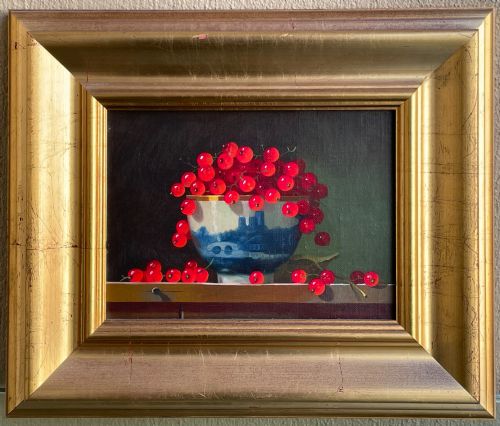
A red fruit bowl brings rich crimson tones and decorative presence to a table, spanning antique Japanese Imari porcelain, British ironstone, and painted oil studies.
Red Fruit Bowl
A red fruit bowl encompasses a diverse group of vessels designed for display and serving, ranging from footed comports to deep decorative basins. When searching for a red fruit bowl, buyers frequently encounter pieces defined by bold crimson hues, intricate ironstone patterns, and vibrant ceramic glazes.
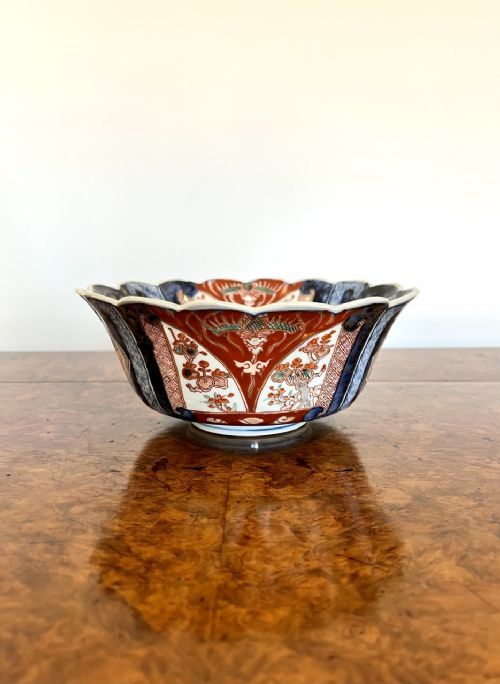
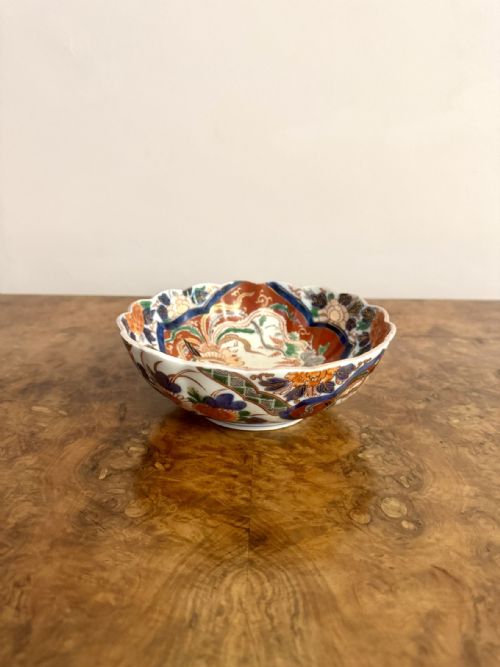
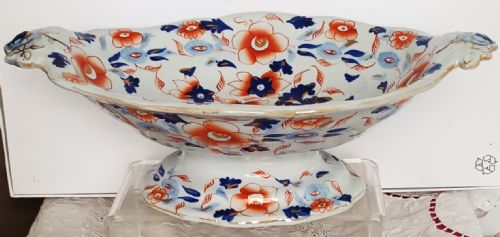
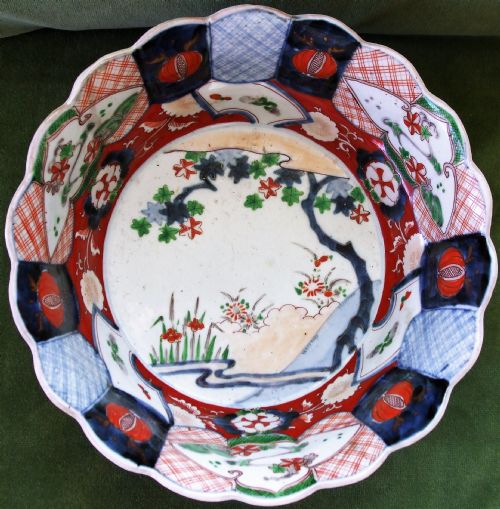
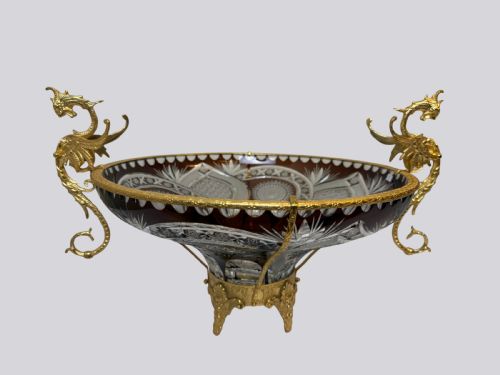
The selection on this page draws heavily from historic traditions, including Japanese Imari porcelain decorated in iron-red and cobalt, alongside English earthenware and art pottery. Forms vary from scalloped edge bowls to pedestal comports and glass centrepieces.
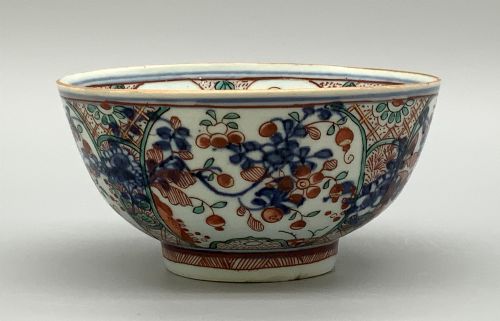
Earlier examples include Chinese Kangxi period porcelain and Georgian ironstone, while later items bring Edwardian glass, Majolica, and 20th-century studio pottery into the mix. Each piece reflects the aesthetic priorities of its period, whether through hand-painted fruit motifs or deep flambé glazes.
Materials and construction
Makers utilised traditional ceramic bodies such as porcelain, earthenware, and ironstone, shaping them into footed bowls, baskets, and plates. Surface decoration relied on skilled hand-painting, cobalt and iron-red underglazes, and rich enamel work.
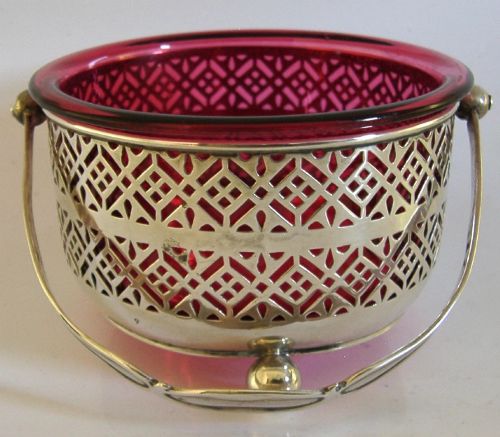
Metal and glass components also appear, combining sterling silver, gilt bronze, and cut crystal with engraved details and applied gilding. Firing techniques in kilns determined the depth of the glaze, producing rich red flambé effects and glossy finishes.
Red Fruit Bowl Retail Price Guide 2026
Typical asking prices for red fruit bowl among the pieces listed under this phrase on Sellingantiques today, from the lower quarter to the upper quarter. They describe what is for sale here now, not the wider market.
Materials range from sterling silver and gilt bronze to earthenware, porcelain, and flambé glaze.
Assessing quality and execution
Quality rests in the crispness of the painted detail, the precision of the form, and the depth of the glaze. Hand-painted Imari patterns with sharply defined iron-red pigments stand apart from simpler transfer-printed wares.
The weight and balance of footed comports and silver-handled baskets indicate superior craftsmanship. Intact gilding, minimal firing flaws, and well-preserved enamels mark the higher tier of these decorative objects.
Royal Doulton·Masons·Moorcroft·Gorham·Ian Parker
The Red Fruit Bowl Glossary
- Imari
- A style of Japanese porcelain featuring a distinct palette of iron-red, cobalt blue, and gold. It was widely exported to Europe and copied by Western potteries.
- Comport
- A decorative footed bowl or dish elevated on a pedestal, traditionally used for serving fruit or sweetmeats at the table.
- Ironstone
- A type of heavy, durable earthenware developed in Britain as a robust alternative to porcelain, often decorated with vibrant patterns.
- Flambé
- A ceramic glaze fired in a reduced oxygen atmosphere to produce mottled, streaked red and purple colour effects.
- Majolica
- Tin-glazed earthenware known for its bright, opaque colours and moulded decorative surfaces.
Red Fruit Bowl: Frequently Asked Questions
How do I style a red fruit bowl?
Place a footed comport or ceramic bowl in the centre of a dining table or sideboard to anchor the room's colour scheme. They work well filled with seasonal fruit or left empty to display the painted interior.
Pair antique Imari pieces with neutral backgrounds to let the iron-red and gold details stand out. Ensure the bowl's scale matches the surface it rests upon.
Can I use these bowls for serving food?
Many ceramic and porcelain bowls are suitable for serving dry fruits, nuts, or decorative displays. However, historic pieces with delicate enamels, silver mounts, or gilt bronze are best reserved for display.
Check the interior glaze and material stability before using antique earthenware or glass for consumables. Hand washing is recommended for all older vessels.
What is the difference between Imari and ironstone?
Imari refers to Japanese porcelain decorated in specific palettes of iron-red, blue, and gold, originating from the Edo period. Ironstone is a dense British ceramic developed in the 19th century to resist chipping.
While Imari relies on hand-painted oriental motifs, ironstone often utilises transfer-printed or hand-enhanced patterns suited to everyday dining.
How do I clean antique ceramic bowls?
Dust ceramic and porcelain surfaces regularly with a soft, dry cloth to prevent grime accumulation. Avoid harsh chemical cleaners or abrasive sponges that might damage historic glazes.
Wash gently in warm water with mild soap only when necessary, and dry thoroughly immediately afterwards.