


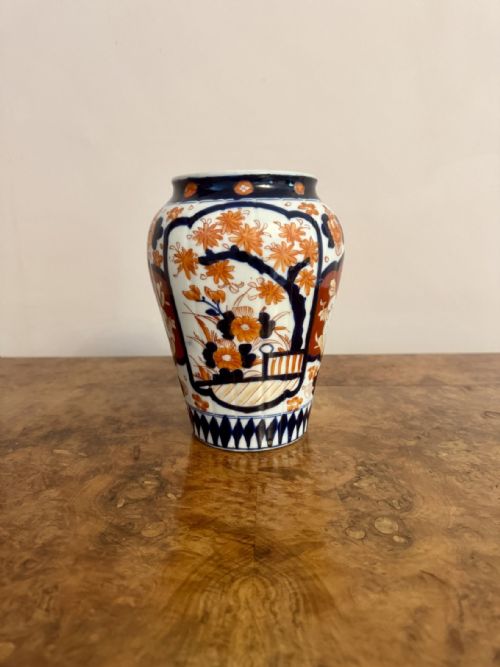


Red Floral Vase
A red floral vase brings together rich crimson decoration and botanical motifs across porcelain, glass, and enamel.
Red Floral Vase
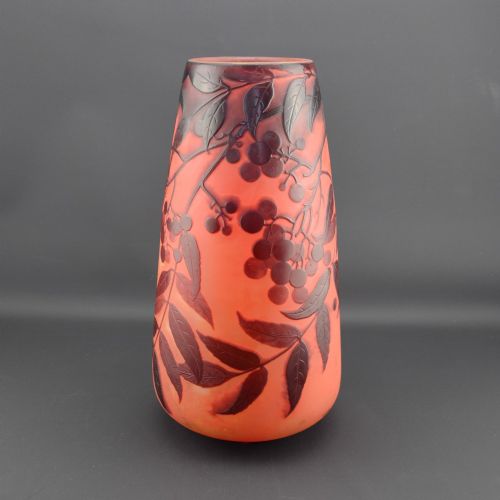
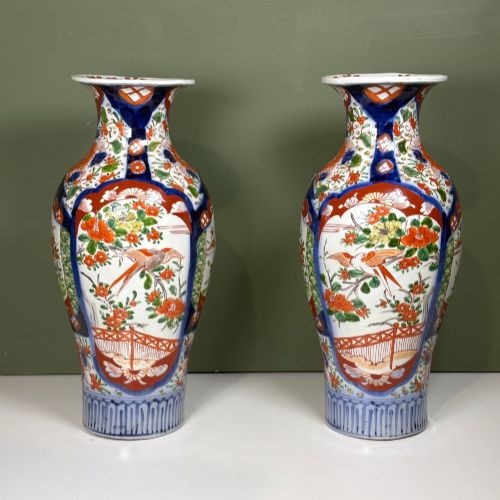
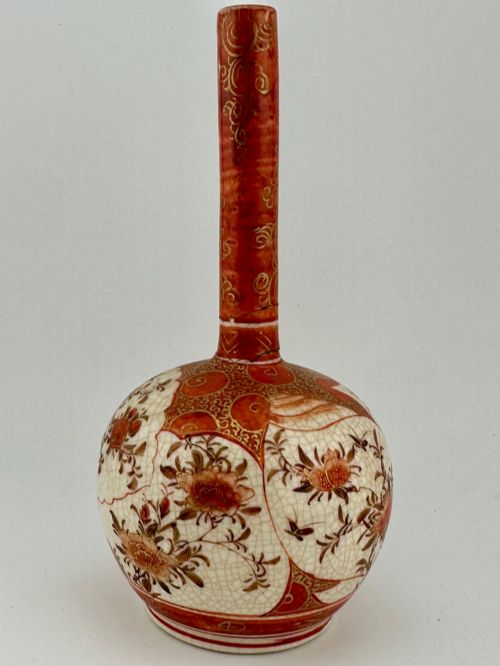
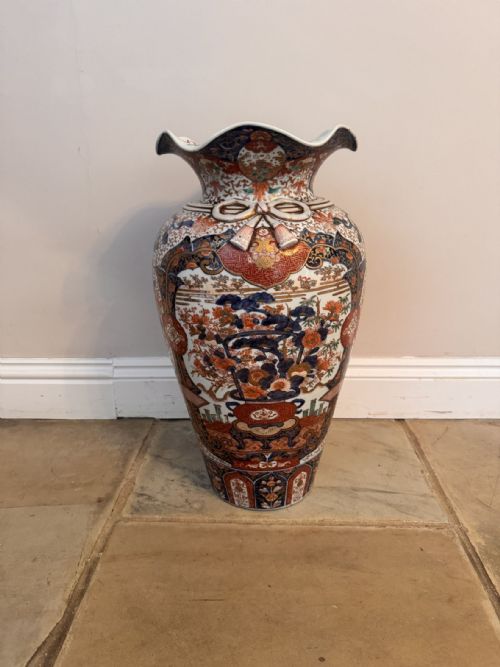
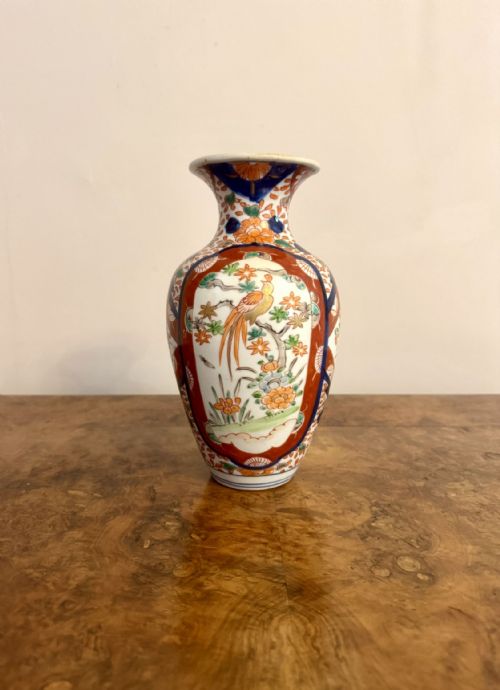
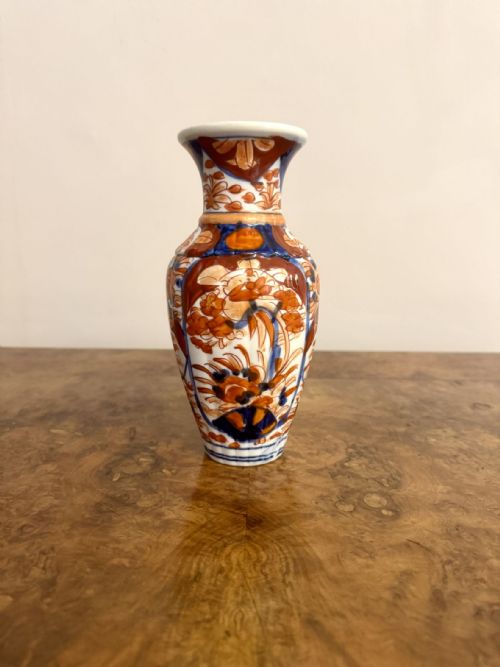
A red floral vase typically takes the form of Japanese Imari porcelain, Chinese export ceramics, or European cameo glass. These vessels span from the seventeenth century through the early twentieth century, encompassing periods such as the Meiji, Taisho, and Edwardian eras. Buyers encounter long neck bottle vases, double gourd shapes, covered ginger jars, and large floor standing vessels.
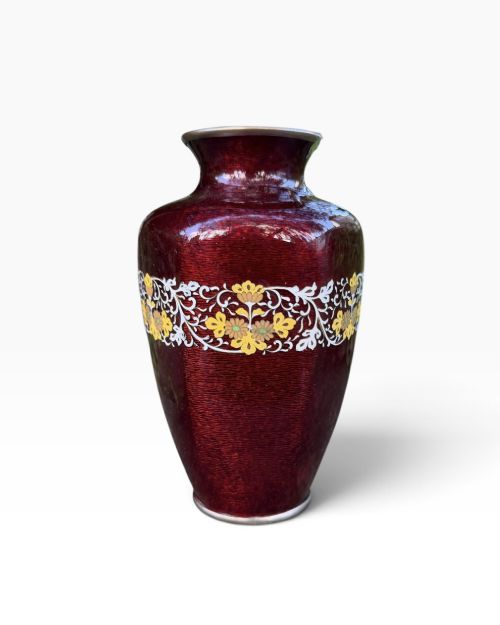
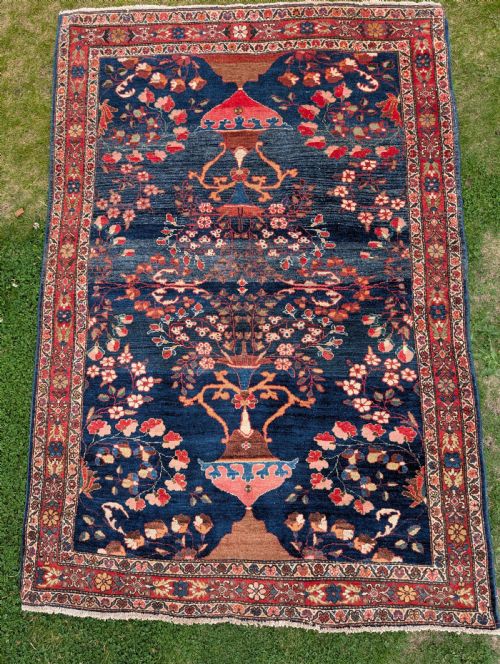
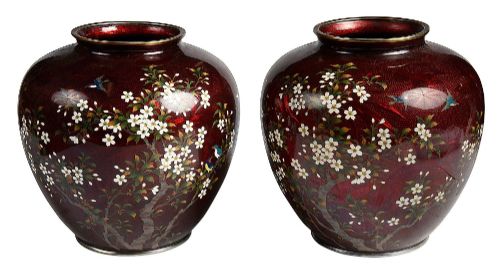
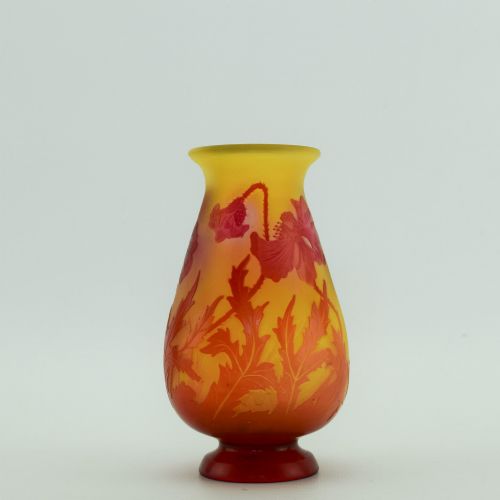
Beyond ceramics and glass, the selection includes cloisonné enamel pieces and even Persian Kashan rugs incorporating floral vase designs. Japanese Imari examples dominate the offerings, often decorated with iron red pigments alongside gilt accents. European glassmakers contribute significant pieces featuring acid-etched poppy and clematis motifs.
How they were made
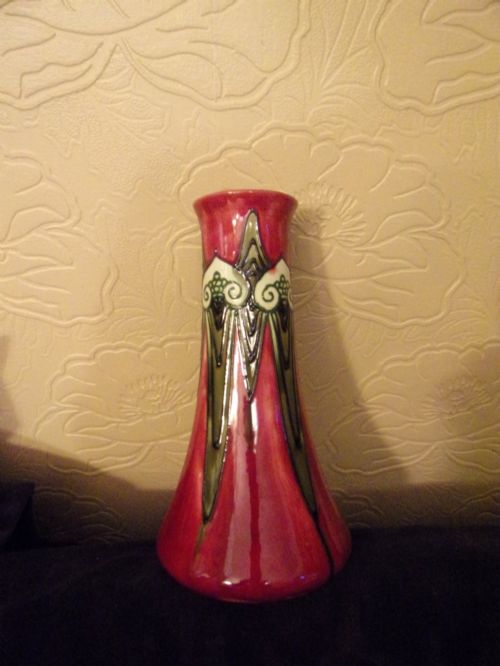
Makers utilised porcelain bodies painted with underglaze cobalt blue and iron red enamels, frequently enhanced with gold leaf details. Potters also shaped pottery and employed tube-lined designs to separate distinct coloured glazes on earthenware.
Glass artisans layered different colours of cameo glass before acid-etching or carving away the surface to reveal intricate floral designs. Enamellers fused coloured glass pastes within wire compartments on metal bases to create cloisonné pieces.
Red Floral Vase Retail Price Guide 2026
Typical asking prices for red floral vase among the pieces listed under this phrase on Sellingantiques today, from the lower quarter to the upper quarter. They describe what is for sale here now, not the wider market.
Listings feature porcelain, cameo glass, and enamel across the nineteenth and early twentieth centuries.
What varies in quality
Quality rests upon the precision of the hand-painting or the depth and clarity of the cameo glass carving. Pieces exhibiting crisp line work, well-balanced proportions, and deliberate application of iron red and gilt distinguish themselves within the range.
The complexity of the form and the crispness of moulded or carved details dictate the standing of a vessel. Well-preserved enamel work and intact gilding reflect superior original manufacture and careful preservation.
Gallé·Thomas Webb and Sons·Minton·Baccarat·Doulton
The Red Floral Vase Glossary
- Imari
- A style of Japanese porcelain featuring a palette dominated by underglaze blue, iron red, and gold. This ware was produced in Arita and exported widely to Europe.
- Cloisonné
- A metalwork technique where thin wire partitions form cells that are filled with enamel paste and fired. The resulting surface displays intricate coloured patterns.
- Cameo Glass
- Glass vessels created by fusing layers of different colours and carving away portions to create a raised design. This technique gained prominence during the Art Nouveau period.
- Tube-Lined
- A ceramic decoration method where a thin line of clay is squeezed onto the body to form outlines for coloured glazes. This creates a raised border between different hues.
- Millefleurs
- A decorative pattern covering a surface with a multitude of small flowers. The term translates to a thousand flowers.
Red Floral Vase: Frequently Asked Questions
How do I date an Imari vase?
Dating relies on the body weight, the brightness of the iron red pigment, and the style of the base markings. Earlier examples often feature heavier porcelain with hand-ground foot rims.
Changes in trade routes and kiln technology across the nineteenth century also altered the saturation of the red enamels and the precision of the gilding.
What is cameo glass?
Cameo glass is formed by fusing two or more layers of contrasting coloured glass together. Artisans then carve through the outer layer to expose the background colour.
This method allows for detailed botanical reliefs, particularly floral and plant motifs executed during the Art Nouveau period.
How were these vases used?
These vessels served primarily as decorative display items within domestic interiors rather than utilitarian flower holders. Large floor standing pieces and covered ginger jars anchored room layouts.
Smaller bottle and double gourd vases sat upon mantelpieces, cabinets, and tables to showcase fine craftsmanship and imported materials.
What is cloisonne enamel?
Cloisonné involves soldering thin metal wires onto a metal base to create raised compartments, known as cloisons. These enclosed areas are then filled with coloured enamel paste before firing.
The finished piece presents a patterned surface of coloured sections divided by delicate metal lines.