



Red Dress Oil Painting
A red dress oil painting brings centuries of portraiture into focus through striking crimson tones and traditional canvas mediums.
Red Dress Oil Painting
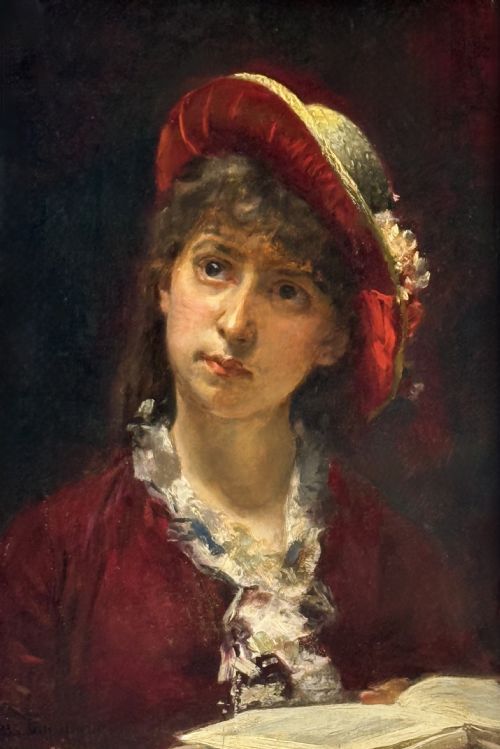
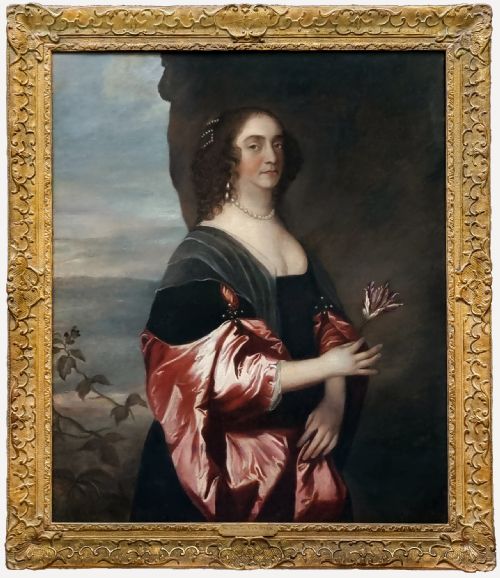
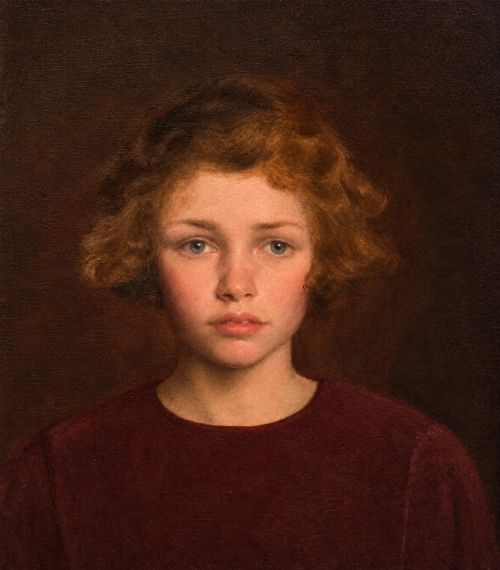
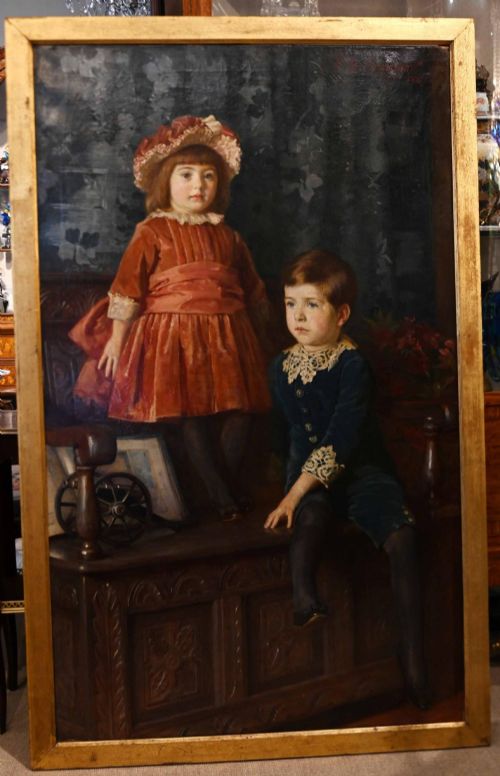
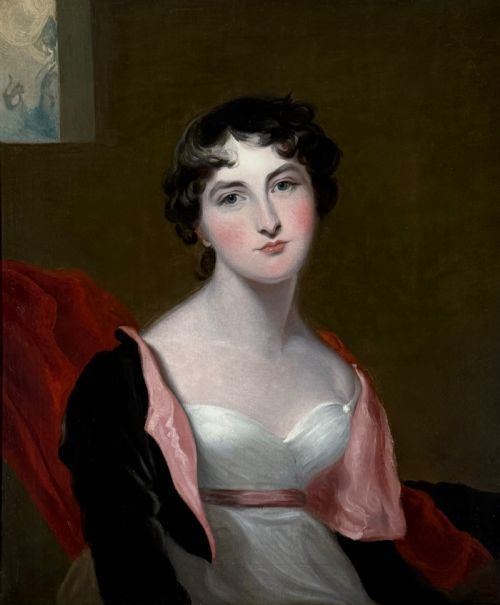
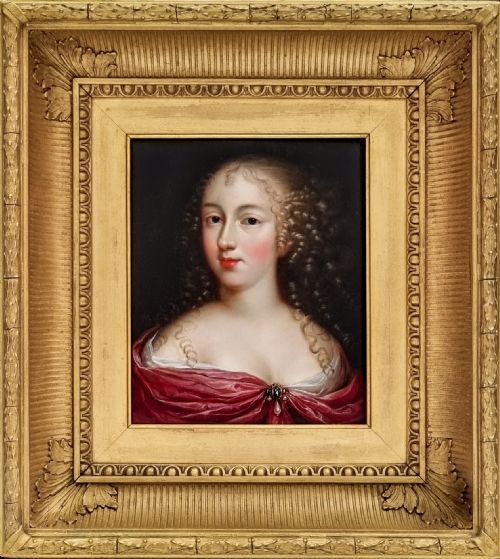
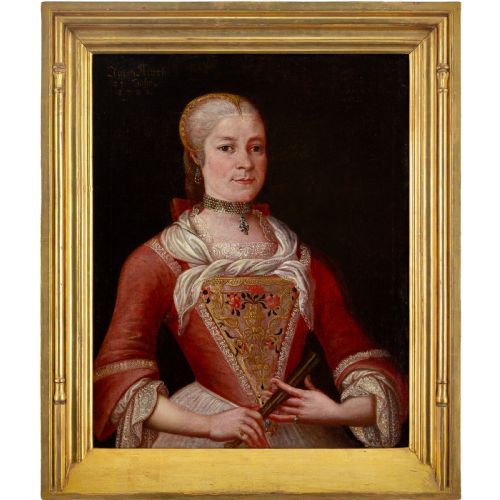
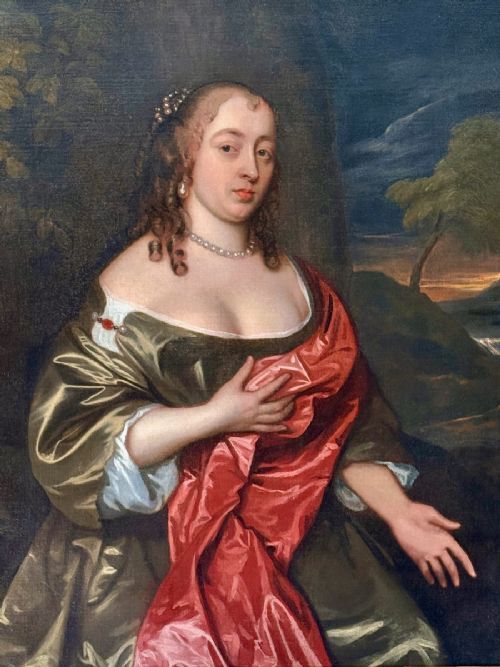
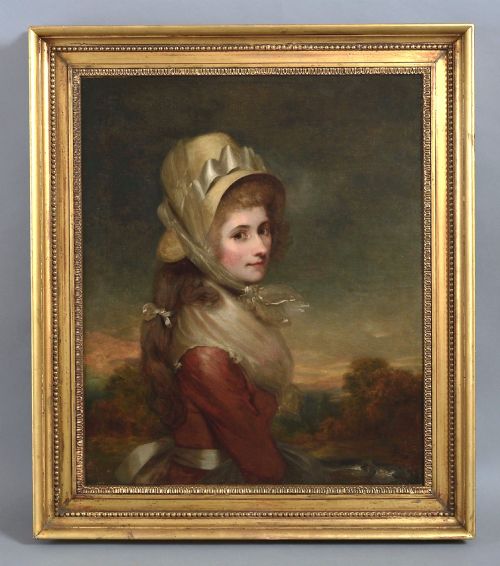
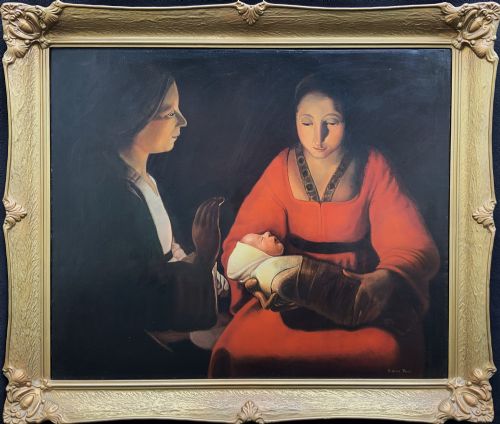
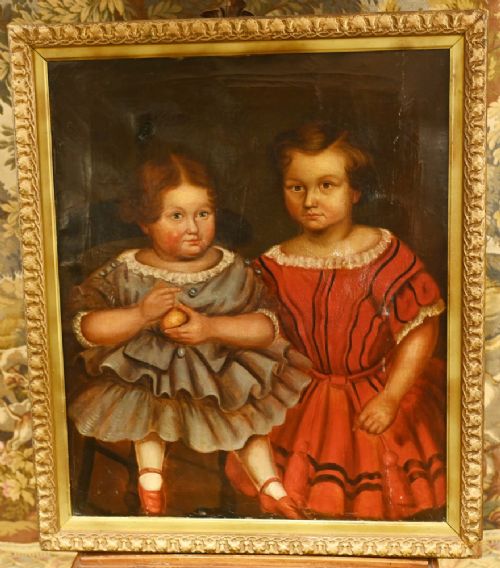
A red dress oil painting typically depicts historical subjects, from aristocratic ladies in elaborate court robes to children in folk art settings, captured across the seventeenth, eighteenth, and nineteenth centuries. These works range from formal studio portraits attributed to established European masters to naive regional depictions on canvas and wood panels.
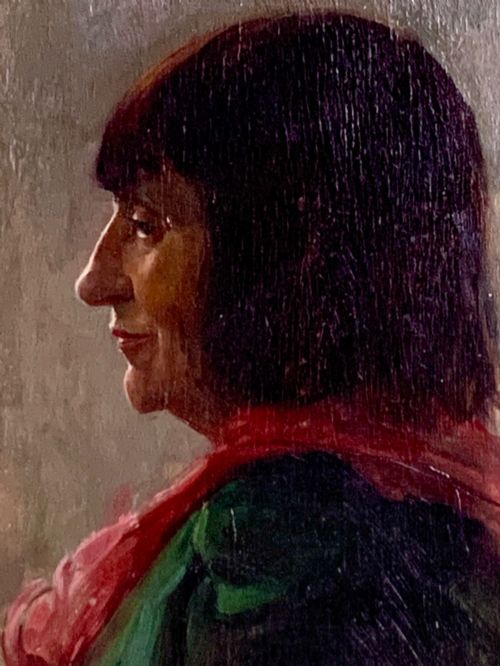
The selection encompasses diverse regional schools, including Bavarian, Dutch, and British works, alongside specific genres like nineteenth-century realism and American primitive art. Portraits dominate the category, often showing sitters adorned with distinct garments such as red mantles, satin sleeves, or ceremonial tunics.
Materials and construction
Pigments applied in oil paint onto stretched canvas or wooden panels form the primary physical structure of these artworks, utilising the slow-drying medium to build rich textures and deep chromatic layers. Giltwood frames and gesso mouldings frequently accompany the older canvases, providing period-appropriate housings that complement the central imagery.
Artists employed traditional layering techniques to achieve the luminous reds seen in garments and drapery, working oil paints across prepared grounds to capture light on fabrics like silk, satin, and wool.
Materials recorded across the inventory include oil paint, canvas, wood panels, gesso, and giltwood frames.
Distinctions in execution
The level of anatomical precision, handling of fabric folds, and depth in facial expression separate ambitious academic portraits from simpler provincial works. Masterful handling of light across crimson textiles demonstrates the skill of the artist, distinguishing works by circles of recognised portraitists from anonymous folk paintings.
Condition and originality of the surface also determine the character of each piece, where untouched painted layers contrast with older restorations on canvas or panel.
JOHN HAYLS·Sir Martin Archer Shee·Georges de La Tour·Pierre Mignard·Sir Peter Lely·Michael Dahl·Philip Naviasky·Pieter Nason·William Owen·Adolphe-Alexandre Lesrel·Fra Galgario·Henry Scott·John Irvine·John Vanderbank·William Wissing·Sir Godfrey Kneller·Jonathan Richardson
The Red Dress Oil Painting Glossary
- Oil on Canvas
- Pigment mixed with drying oil applied to a woven fabric support. This method allowed painters to achieve smooth blending and rich colour saturation.
- Giltwood
- Wood carved and coated with gold leaf or gold paint. It frequently forms the decorative frames enclosing historical portraits.
- Gesso
- A paint mixture consisting of a binder mixed with chalk, gypsum, or pigment. It served as a prepared baseline on panels and frames before gilding or painting.
- Primitive Art
- Works created by self-taught artists lacking formal academic training. These pieces emphasise flat perspective and direct expression over strict proportion.
Red Dress Oil Painting: Frequently Asked Questions
What periods do these paintings cover?
The available works span several centuries, beginning with seventeenth-century Old Master portraits and extending through Georgian, Victorian, and mid-twentieth-century examples.
Earlier pieces often feature aristocratic sitters in elaborate garments, while later nineteenth-century canvases encompass folk art and impressionist domestic scenes.
How were the portraits originally displayed?
Historical portraits were typically hung in country houses, civic halls, and family drawing rooms to record lineage, social standing, or professional achievement.
They often resided within heavy giltwood frames designed to project status and integrate with period interior decoration.
How should I care for an antique oil painting?
Display these works away from direct sunlight, high humidity, and rapid temperature fluctuations to protect the canvas, wood panel, and oil pigments from degradation.
Dusting should be undertaken gently with a soft, dry brush, avoiding chemical cleaners or moisture on the painted surface.
How do I identify a naive or primitive painting?
Primitive and naive works display simplified perspectives, direct brushwork, and flattened proportions rather than strict adherence to classical academic anatomy.
These paintings originate frequently from regional folk traditions rather than urban portrait studios.