


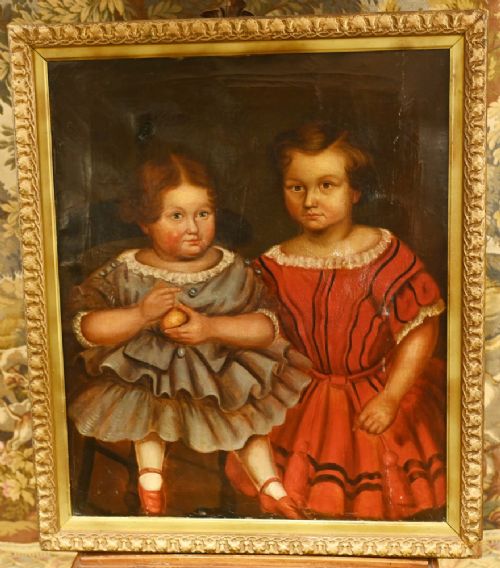



Red Dress Canvas Painting
These portraits and genre pieces captured under red dress canvas painting bring centuries of oil painting tradition and vivid pigment into focus.
Red Dress Canvas Painting
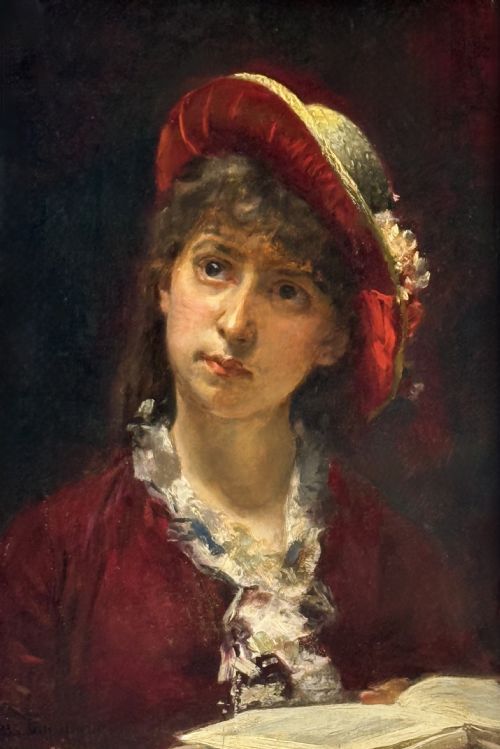
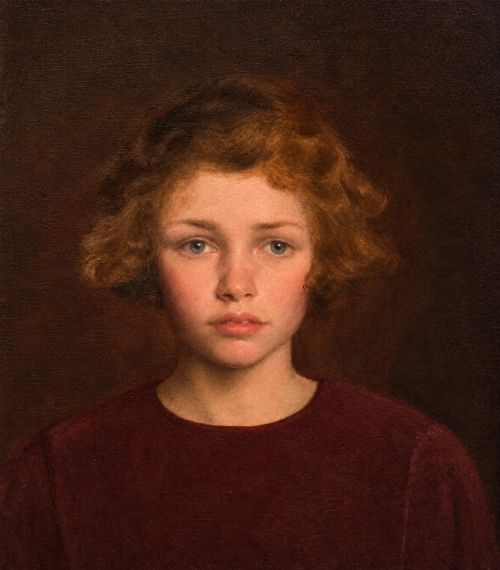
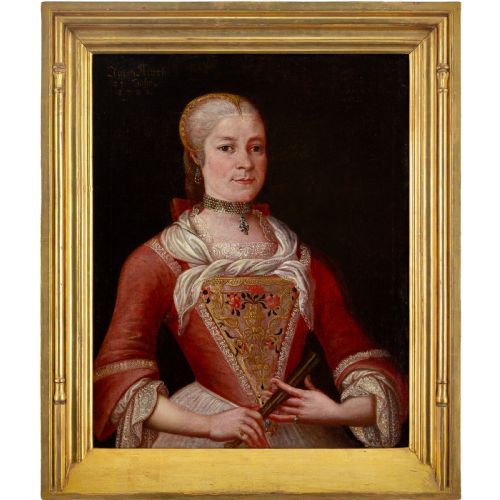
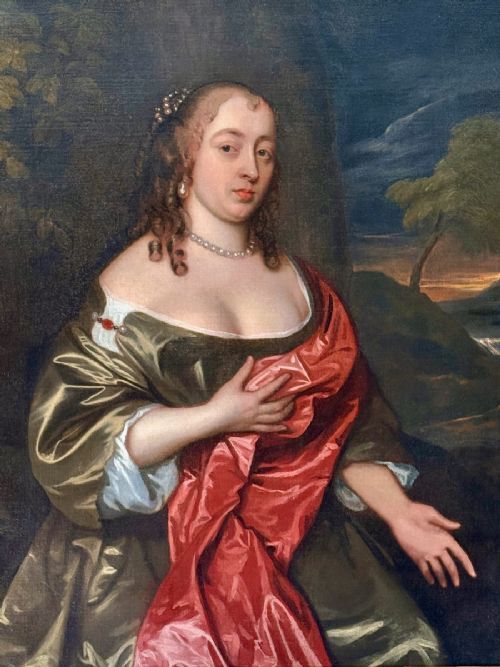
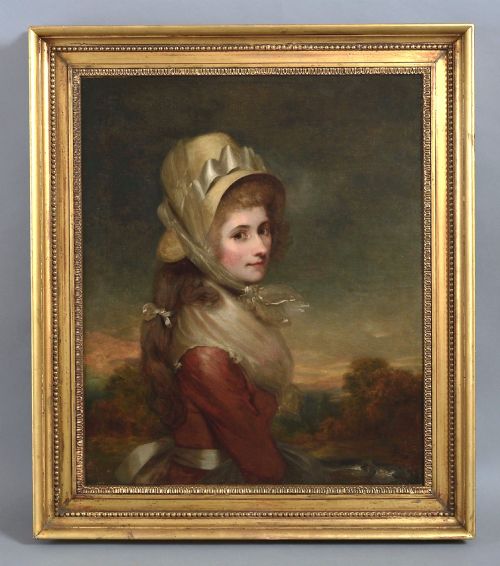
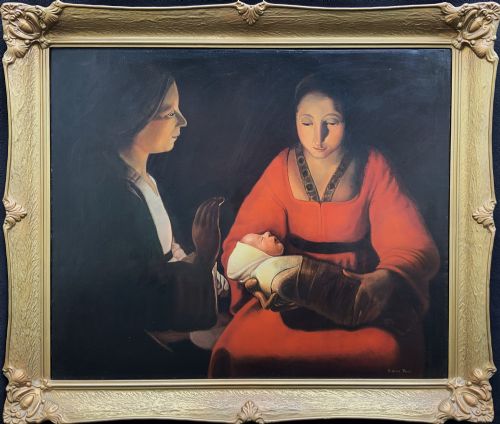
When you search for a red dress canvas painting, you encounter centuries of portraiture and genre scenes executed in oil paint. These works span from the seventeenth century through to the mid-twentieth century, recording aristocratic sitters, children, and historical figures.
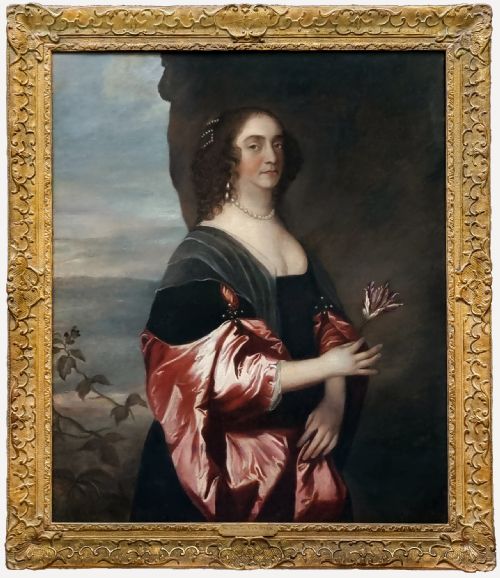
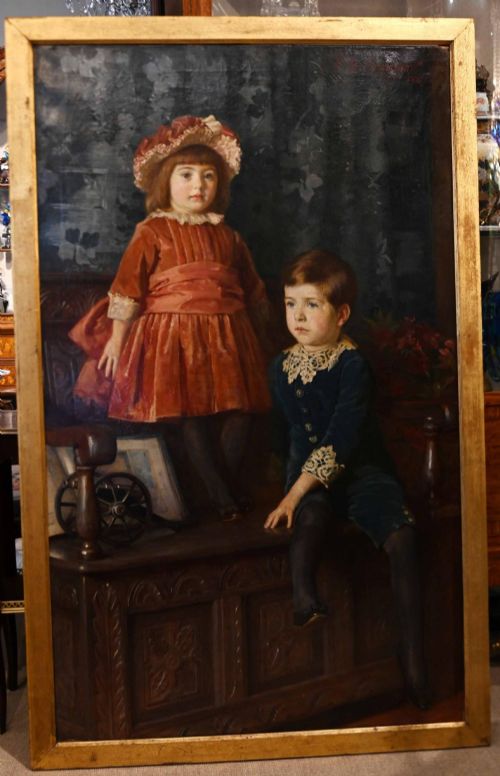
The pieces you meet on this page range from seventeenth-century Dutch and British school canvases to nineteenth-century folk art and twentieth-century impressionist compositions. Portraits feature sitters adorned in crimson garments, red tartan, and court dress robes.
Originating across Britain, Europe, and America, these oil paintings primarily depict figures in domestic settings, landscapes, or formal poses. The enduring focal point remains the rich use of red paint within the textiles and drapery.
How They Were Made
The primary construction of these works relies upon oil paint applied to woven canvas supports, sometimes attached to wooden boards or historical stretchers. Artists utilised oil medium to build depth through layered glazes and opaque pigments, capturing the sheen of silks and wools.
Many of the older canvases are retained within their original or period-appropriate giltwood and gesso frames. These frames frequently employ intricate moulding and carving techniques that complement the warmth of the painted red drapery.
Several solemn aristocrats share canvas space with unexpected companions, including exotic birds, doves in baskets, and a boy holding a butterfly.
What Varies in Quality
The distinction between standard works and masterworks rests upon the fidelity of anatomical drawing and the expressive handling of light on fabric. Superior examples demonstrate a confident mastery over facial expression and the textural qualities of the sitter's costume.
Condition and historical preservation also divide the range, distinguishing untouched canvases with original stretchers from those requiring extensive conservation. The sophistication of the accompanying carved giltwood frame further elevates the standing of an individual painting.
JOHN HAYLS·Sir Peter Lely·Michael Dahl·Philip Naviasky·Pieter Nason·William Owen RA·Adolphe-Alexandre Lesrel·John Vanderbank·Sir Godfrey Kneller·Jonathan Richardson
The Red Dress Canvas Painting Glossary
- Oil on Canvas
- A painting medium where pigments are suspended in a drying oil, applied to a stretched woven fabric support. This method allowed artists to achieve rich colour saturation and subtle tonal gradations.
- Giltwood
- Wood that has been coated with a thin layer of gold leaf or gold paint. It is commonly found on the ornate frames enclosing historical oil paintings.
- Gesso
- A plaster-like material applied to wooden frames or panels as a base for gilding and ornamentation. It provides a smooth surface for subsequent decorative work.
- American Primitive
- Art created by self-taught painters, often marked by a direct and unacademic approach to perspective and form. These works frequently date from the nineteenth century.
- Baroque
- An artistic style spanning the seventeenth and eighteenth centuries characterised by dynamic movement and dramatic contrasts of light and shadow. In portraiture, this translated to theatrical drapery and intense focus on the sitter.
Red Dress Canvas Painting: Frequently Asked Questions
What periods do these paintings cover?
The available artworks span from the seventeenth century through the eighteenth and nineteenth centuries up to the mid-twentieth century. This timeline encompasses seventeenth-century Dutch masters, Georgian portraiture, Victorian genre scenes, and twentieth-century impressionism.
Such chronological breadth reflects changing stylistic approaches to portraiture and the persistent popularity of utilising red pigments in historical costume depiction.
Are these works original or reproductions?
Every listed item is an original period oil painting on canvas rather than a modern reproduction. Many retain their original stretchers, historical canvas supports, and period giltwood frames.
Certain pieces carry extensive provenance linking them to specific schools, studios, or named historical artists from past centuries.
How should I care for an oil painting on canvas?
Protect the canvas from direct sunlight and maintain stable indoor humidity and temperature levels to prevent cracking in the paint layer. Dust the surface and the accompanying giltwood frame gently with a soft, dry brush.
Avoid using liquid cleaners or placing the artwork near heat sources that might dry out the historic wood and canvas.
What subjects typically appear in these paintings?
The primary subjects are portraits of aristocratic ladies, gentlemen, children, and literary figures dressed in notable garments. Many sitters wear specific red attire, ranging from court dress robes and silk dresses to tartan kilts and scarves.
Other compositions include genre historical scenes, mother and child studies, and figures engaged in domestic activities within landscapes or interiors.