



Red Display Cabinet
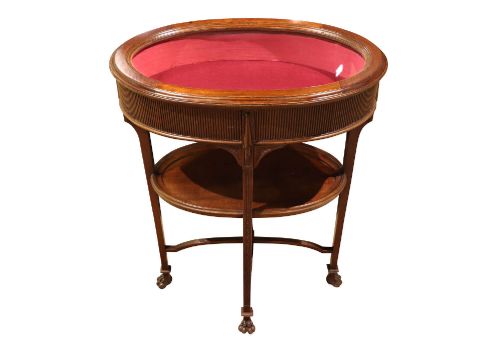
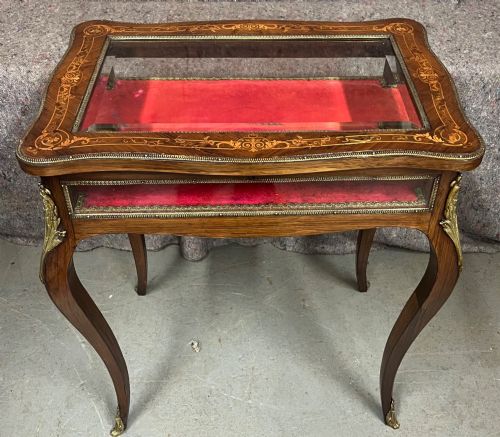
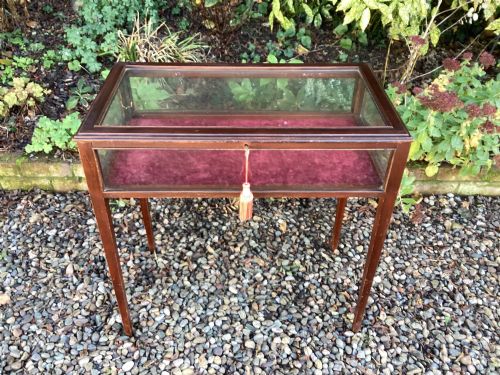
These red display cabinet pieces bring striking colour and glass-fronted visibility to rooms, offering a practical stage for cherished collections.
Red Display Cabinet
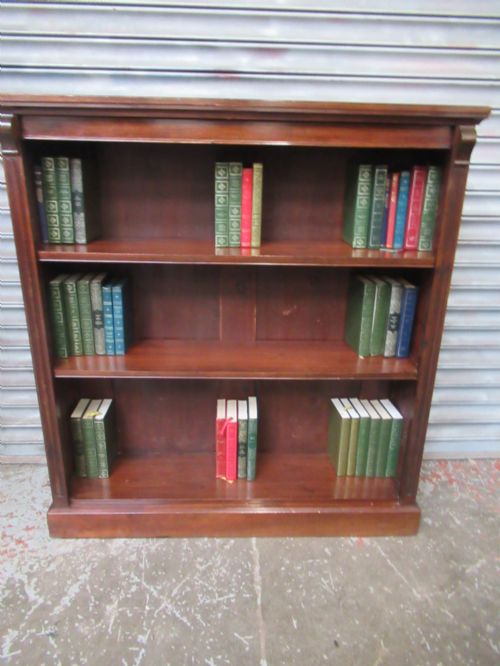
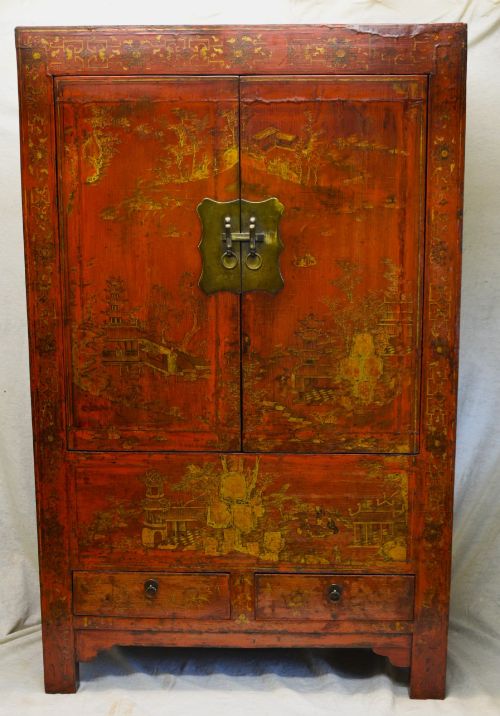
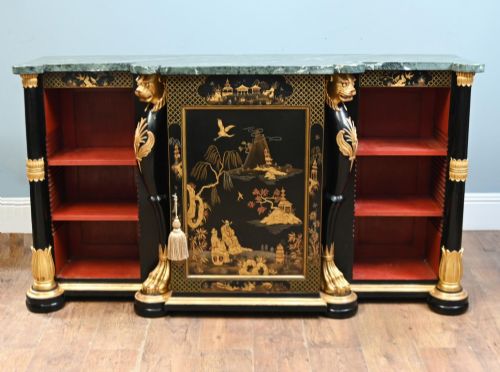
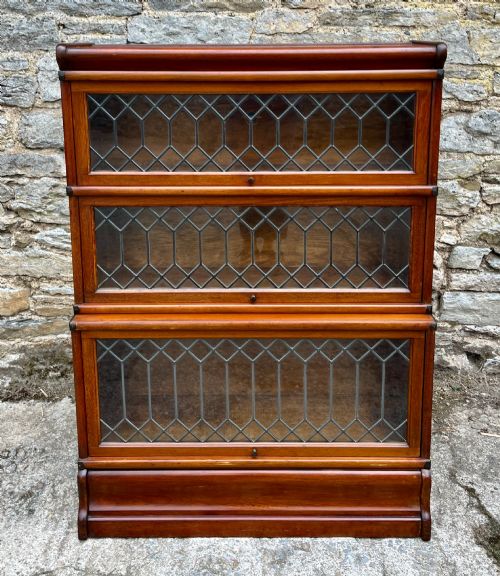
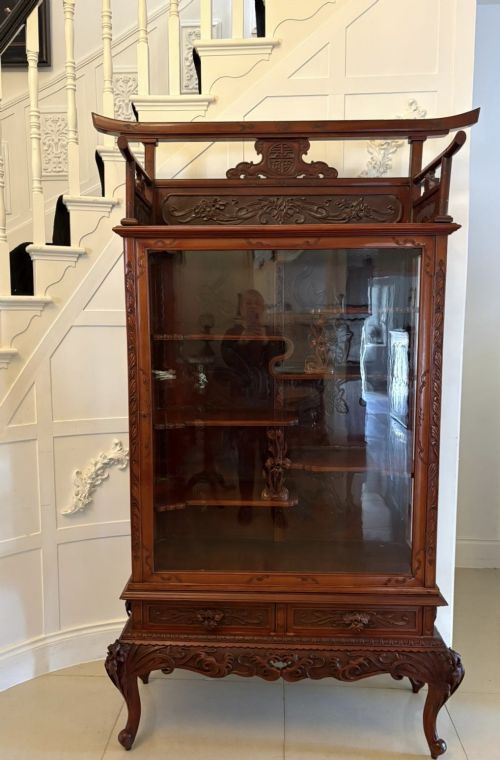
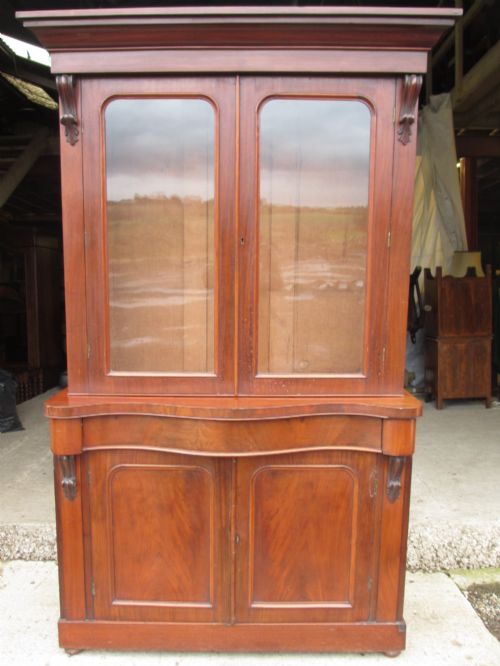
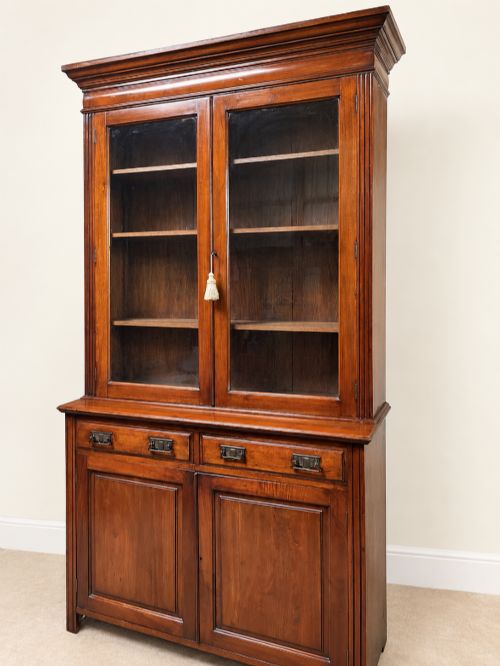
A red display cabinet search brings together varied forms designed to showcase objects, ranging from freestanding cabinets and marriage pieces to wall-hung vitrines and glazed bookcases.
The versions most commonly met span the nineteenth and early twentieth centuries, drawing heavily upon traditional Chinese lacquerwork, French vernis martin techniques, and Japanese decorative styles.
Makers utilised rich red finishes on hardwood, elm, and mahogany frames, often incorporating glass panels, brass mounts, and internal shelving to create focal points for living spaces.
How they were made
Makers applied multiple layers of red lacquer to hardwood or pine bases, building deep glossy surfaces that frequently featured gilt or painted oriental motifs.
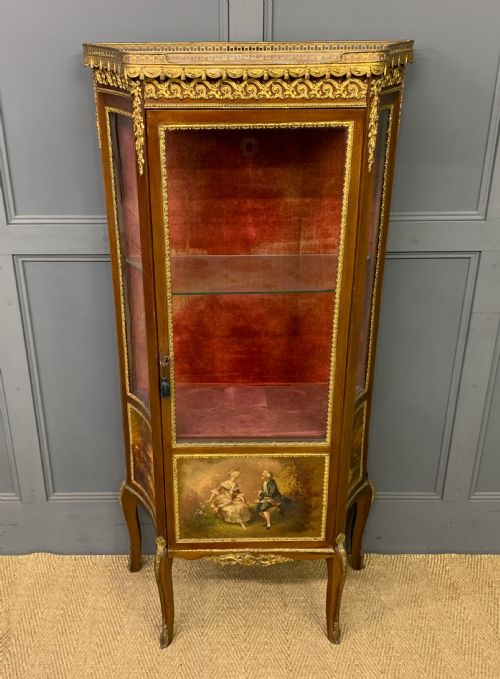
European cabinetmakers constructed frames from mahogany and ebonised timber, integrating curved glass panels, ormolu mounts, and delicate marquetry panels into vitrines and display tables.
Red Display Cabinet Retail Price Guide 2026
Typical asking prices for red display cabinet among the pieces listed under this phrase on Sellingantiques today, from the lower quarter to the upper quarter. They describe what is for sale here now, not the wider market.
What varies in quality
The depth and durability of the red lacquer finish separate standard pieces from exceptional examples, with hand-applied layers showing richer tonal variation and finer detail.
Structural refinement shows in the crispness of brass or ormolu mounts, the clarity of fitted glass, and the precision of joinery on glazed doors and breakfront cornices.
George Edmund Street·Paul Sormani·Royal Crown Derby
The Red Display Cabinet Glossary
- Vitrine
- A glass-fronted cabinet or display case designed specifically for showing porcelain, objets d'art, and curiosities. These pieces often feature glazed sides to maximise light penetration.
- Chinoiserie
- European interpretations and imitations of Chinese and East Asian artistic traditions, popular in furniture decoration and lacquer work. It frequently depicts imaginary landscapes and figures.
- Vernis Martin
- A type of simulated Japanese lacquer developed by the Martin brothers in eighteenth-century France. The technique produced translucent, highly polished decorative finishes.
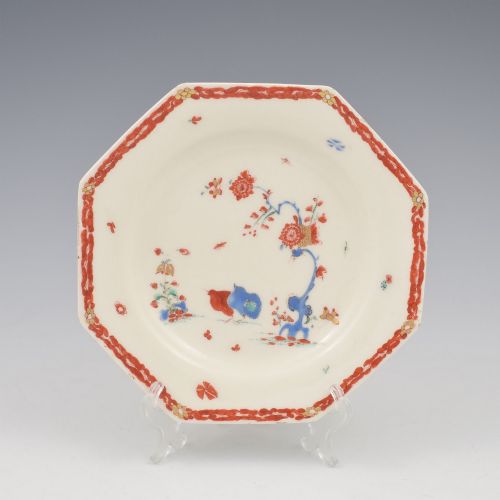
- Imari
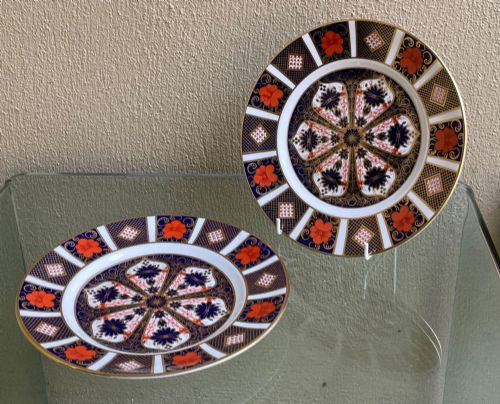
- A style of Japanese porcelain characterised by underglaze blue and overglaze red, gold, and green colours. The name originates from the port from which these ceramics were shipped.
- Breakfront
- A piece of furniture where the central section projects forward from the flanking sections. This architectural form adds depth and visual rhythm to large bookcases and cabinets.
Red Display Cabinet: Frequently Asked Questions
What is a red display cabinet used for?
These cabinets serve as focal storage points for housing decorative plates, porcelain collections, and precious items behind protective glass panels.
The transparent doors and lit interiors allow owners to exhibit delicate objects safely while adding a bold splash of colour to interior schemes.
How do I care for a lacquered cabinet?
Keep lacquered furniture away from direct sunlight and steady heat sources to prevent the red finish from fading or cracking over time.
Dust gently with a dry, soft cloth and avoid chemical polishes that can damage the delicate historical surface layers.
How do I distinguish French vitrines from Chinese marriage cabinets?
French vitrines typically feature mahogany frames, curved ormolu mounts, and extensive glass panels designed to showcase delicate objects from all angles.
Chinese marriage cabinets rely on solid red lacquer over elm or hardwood, often featuring bold brass hardware and enclosed storage for garments or linens.
Where should I place a red display cabinet?
Position these striking pieces in principal reception rooms or hallways where neutral walls allow the vibrant red finish to stand out.
Ensure the floor is level, particularly with antique glazed bookcases and heavy vitrines, to keep doors hanging truly and locks aligned.