
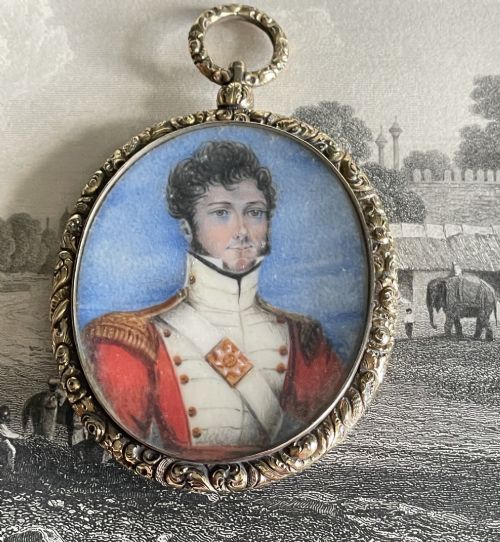


Red Coat Officer Portrait
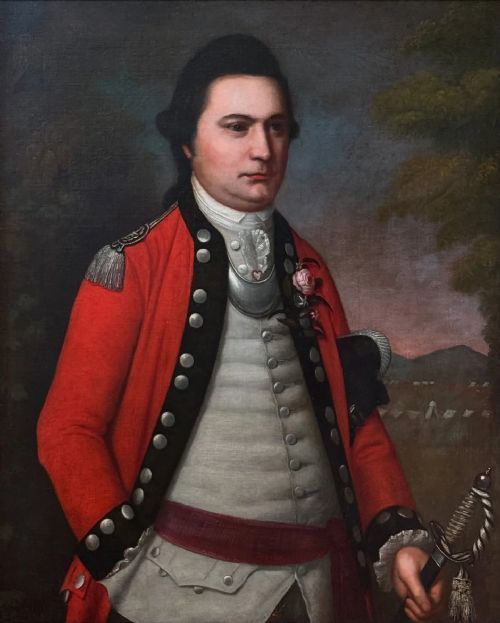
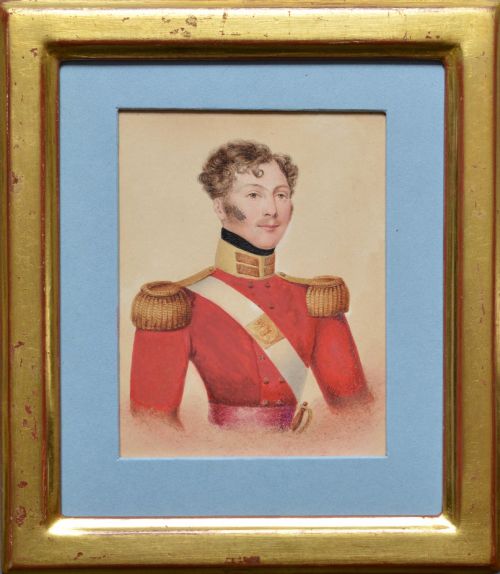
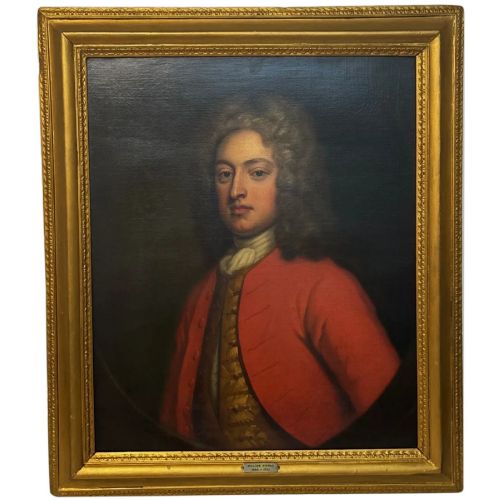
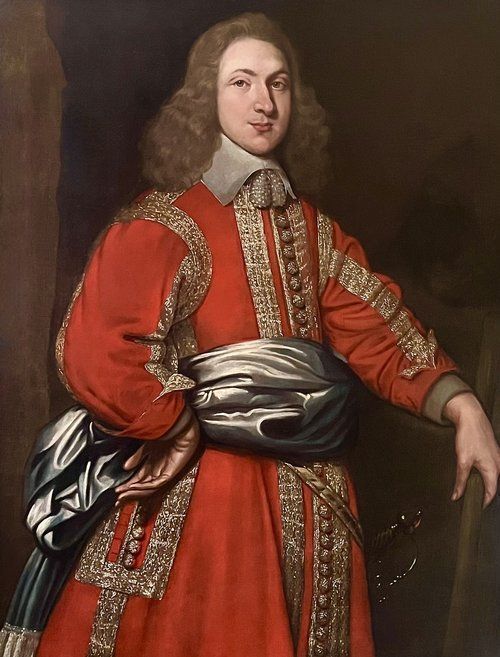
A red coat officer portrait captures military history through oil paintings, watercolours and miniatures spanning multiple centuries.
Red Coat Officer Portrait
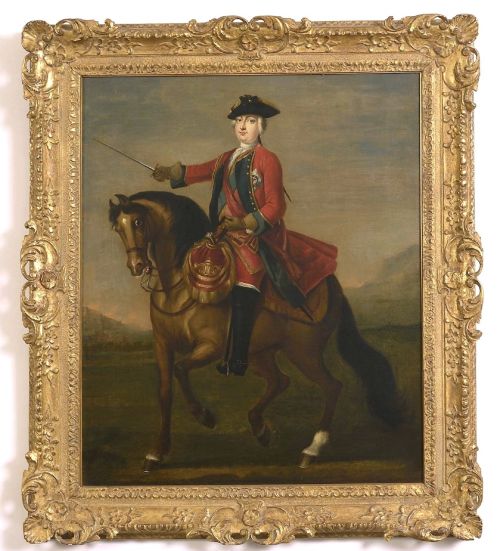
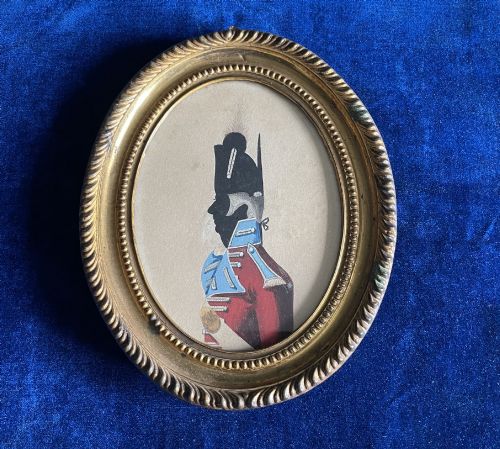
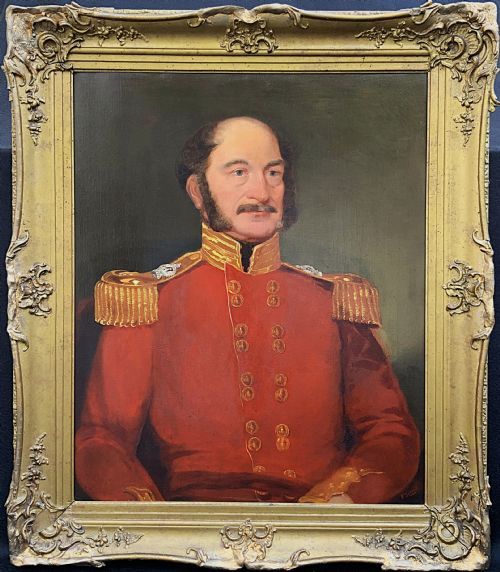
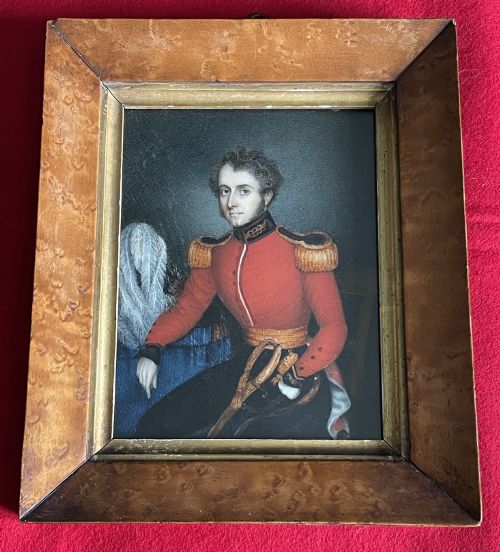
A red coat officer portrait depicts military figures from the seventeenth century onwards, capturing officers from regiments such as the Staffordshire 80th Regiment of Foot or the Scots Greys. These works appear in forms ranging from full-scale oil paintings on canvas to delicate portrait miniatures preserved under glass.
The selection includes pieces associated with specific historical campaigns, including the Madras Presidency Service and the Battle of Dettingen. Buyers encounter works attributed to British and Anglo-Dutch schools alongside primitive interpretations and Regency period canvases.
Materials and construction
Artists painted primarily in oil on canvas or linen canvas, though works also utilise tin panels and paper for watercolours. Portrait miniatures frequently incorporate glass protection within timber frames.
Framing forms an integral component, with period examples mounted in giltwood and silvered frames that complement the rich pigments of the scarlet military tunics.
Some officers gaze out past seventeenth-century lace ruffs while others stare sternly from tiny nineteenth-century frames.
Assessing quality and execution
Quality rests upon the precision of facial rendering and the accurate depiction of military insignia, lace and regimental distinctions. Works by named artists or established regional schools demonstrate superior control over tone and depth compared to provincial or later revival pieces.
The preservation of the pigment layer and the originality of the mounting frame influence the overall integrity of the piece.
Stickland Lowry·John Wootton·Thomas Hudson·Henry Walton·Sir William John Newton·George Duncan Beechey·Sir Richard Westmacott·Gerrit Schipper
The Red Coat Officer Portrait Glossary
- Portrait miniature
- A small-scale painting executed on materials such as ivory, vellum or paper, often designed to be carried or worn. These intimate works require exceptional brushwork due to their diminutive size.
- Giltwood
- Timber carved and coated with a thin layer of gold leaf, commonly utilised for eighteenth and nineteenth century picture frames. This finish provides a luminous border that complements dark oil pigments.
- Regency
- A period in British history spanning the early nineteenth century, characterised by distinct neoclassical aesthetics in both fine art and furniture design. Portraits from this era often display specific tailoring in military dress.
- Anglo-Dutch school
- A classification for artists working in Britain whose style reflects Dutch painting traditions. These works frequently exhibit meticulous attention to texture and lighting.
Red Coat Officer Portrait: Frequently Asked Questions
What periods do these portraits cover?
The selection spans from the seventeenth century through the Victorian era, with several pieces originating in the eighteenth and early nineteenth centuries. Certain works also reflect later twentieth century revivals.
Dates often correlate with the specific military campaign or regiment recorded in the subject's service history.
How are miniatures displayed?
Portrait miniatures typically live behind protective glass within compact timber or metal enclosures. They were originally created for personal keepsake or intimate family display.
Their small scale requires careful placement away from direct sunlight to protect fragile watercolours and paper.
What units do the officers represent?
Subjects belong to various branches of service, including infantry regiments, dragoons, and the Bengal Army. Specific units like the Scots Greys and the Staffordshire 80th Regiment of Foot appear in the records.
Inscriptions on the reverse or within the composition often identify the individual's rank and regiment.
How do I identify a Regency piece?
Regency era works usually date between the late eighteenth and early nineteenth centuries, displaying specific military uniform styles of that era. Portraiture from this time often utilises rich oil on canvas.
Framing choices, such as silvered or decorative giltwood surrounds, also help indicate the period.