


Red Coat Gentleman Painting
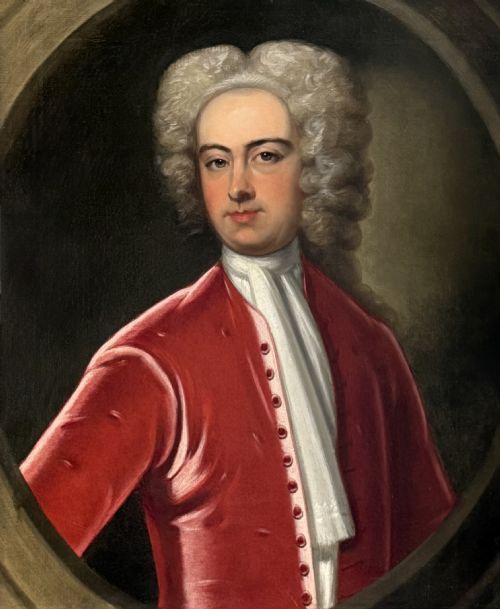
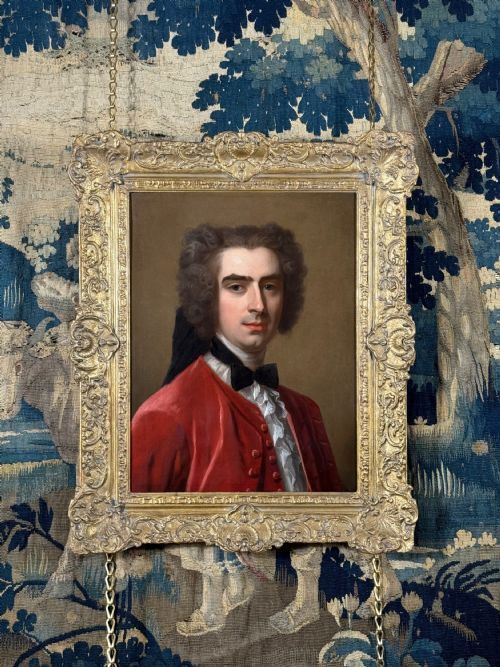
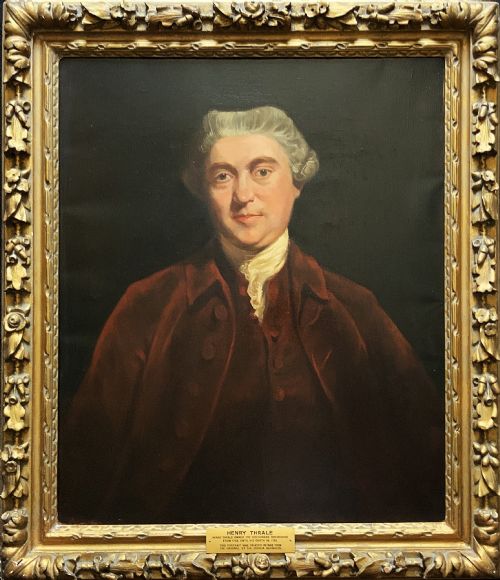
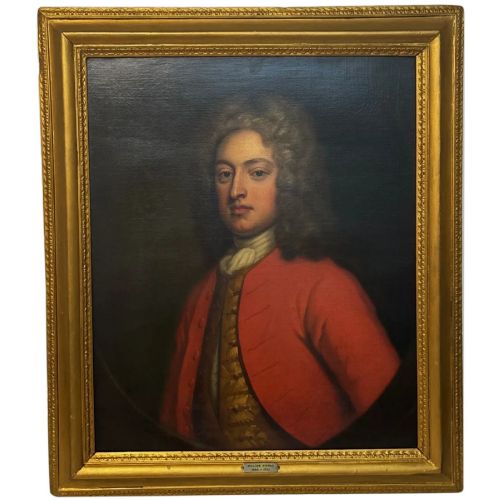
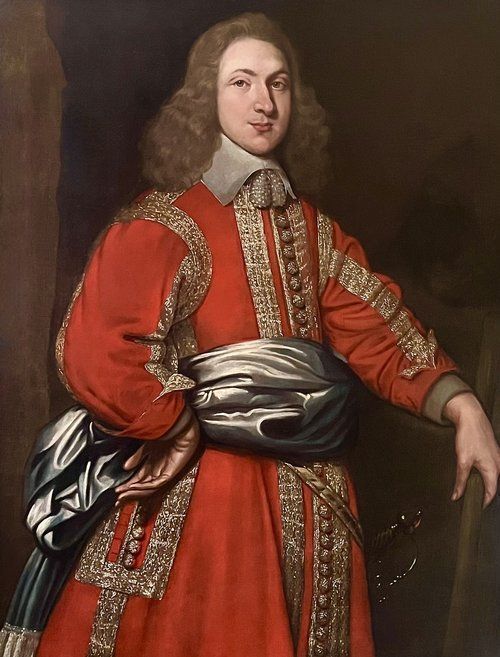
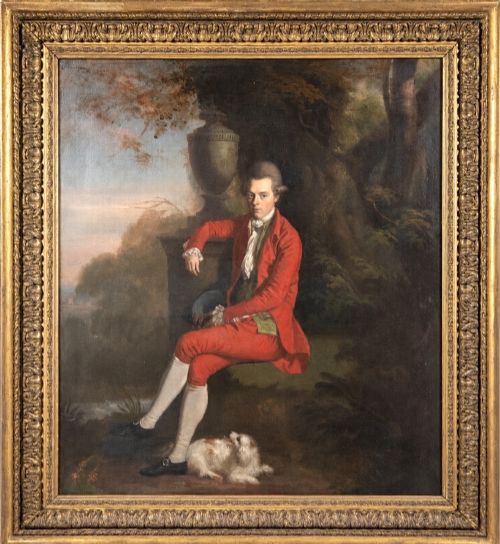
A red coat gentleman painting captures the commanding presence of an officer, aristocrat or hunter rendered in vivid scarlet pigments across centuries of portraiture.
Red Coat Gentleman Painting
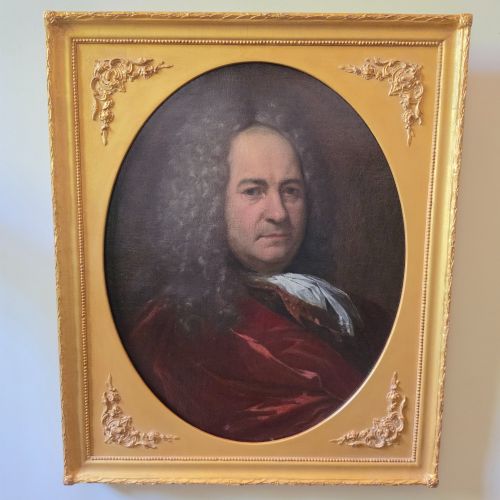
A red coat gentleman painting brings together centuries of likenesses depicting male subjects in distinctive scarlet jackets, military uniforms or hunting attire. Buyers seeking these works will most frequently encounter 18th-century oils on canvas alongside occasional pieces from the 17th and 19th centuries.
The subjects range from named historical officers and baronets to anonymous sitters captured by regional portraitists and followers of academic traditions. These works appear in various formats, from substantial framed canvases to intimate portrait miniatures and reverse glass pictures.
Examples stretch from early Georgian depictions to later interpretations executed well into the 20th century, reflecting shifting tastes in portraiture. Each piece preserves the sartorial choices and social standing of the sitter through oil paint, canvas and occasionally glass.
Materials and construction methods
Makers built these portraits using oil paint applied to stretched canvas, often supported by wooden stretcher frames and housed within giltwood surrounds. Painters layered pigments to build the rich reds of the coats, contrasting the scarlet garments against darker backgrounds to create depth and presence.
Support materials varied from standard woven canvas to specialised glass plates in reverse glass examples, while frames combined carved wood with applied gilt finishes. The physical construction relies on traditional joinery for the frames and stable priming layers for the painted surfaces.
Listings feature works spanning from the seventeenth century through to the mid-twentieth century, executed in oil on canvas, wood, and glass.
Distinctions in execution and condition
Preservation of the original paint surface and the integrity of the period frame heavily influence the standing of a piece. Works retaining their untouched 18th or 19th-century appearance command greater appreciation than those suffering from extensive overpainting or later alterations.
Jean-Baptiste Van Loo·Sir Joshua Reynolds·Charles Jervas·John Arthur Lomax·John Hamilton Mortimer·Michael Dahl·Thomas Beach·Sir Godfrey Kneller
The Red Coat Gentleman Painting Glossary
- Oil on canvas
- A traditional painting medium utilising pigments suspended in a drying oil applied to a woven fabric support. This combination allowed artists to achieve rich colour saturation and subtle blending.
- Giltwood
- Wood carved and coated with a thin layer of gold leaf or gold paint. It forms the decorative framing typical of formal British portraits.
- Portrait miniature
- A small-scale painting executed with high detail, often intimate in size. These portable works captured likenesses before the widespread adoption of photography.
- Reverse glass picture
- An image painted directly onto the back of a glass panel and viewed from the front. This technique produces a glossy surface finish unique to certain decorative periods.
- Circle of
- A designation used when a work is produced by an unrecorded artist closely associated with a known master. It indicates the style and technique align with a specific workshop or leading painter.
Red Coat Gentleman Painting: Frequently Asked Questions
How do I date a red coat gentleman painting?
Dating relies heavily on the cut of the coat, the style of the wig or hair, and the construction methods of the canvas and frame. Examining the stretcher bars and preparatory layers provides additional clues to the era of creation.
Comparison with documented works from specific decades helps narrow down the active period of the artist or school. Written inscriptions on the reverse often record the identity of the sitter or artist.
Were these always military officers?
While many subjects wore scarlet military uniforms, others donned hunting pinks or fashionable civilian dress featuring red coats. Aristocrats and country gentlemen frequently chose this prominent colour to project status and confidence.
Distinguishing military service requires looking for specific insignia, gorgets, or uniform facings rather than relying solely on the red colour of the jacket.
How should I hang and light an oil portrait?
These paintings require stable indoor environments away from direct sunlight and dramatic humidity fluctuations. Proper picture lighting should utilise low-heat sources such as LED fixtures to protect the aged oil pigments.
Securing the frame with appropriate wall brackets ensures the weight of the canvas and giltwood is safely distributed.
What is the difference between an artist and their circle?
An artwork attributed to an artist was painted by their own hand during their working lifetime. Works described as being from the circle of an artist were produced by contemporaries influenced directly by that master's style.
Such designations reflect the workshop practices common in historical British and European portraiture studios.