



Red Ceramic Jug
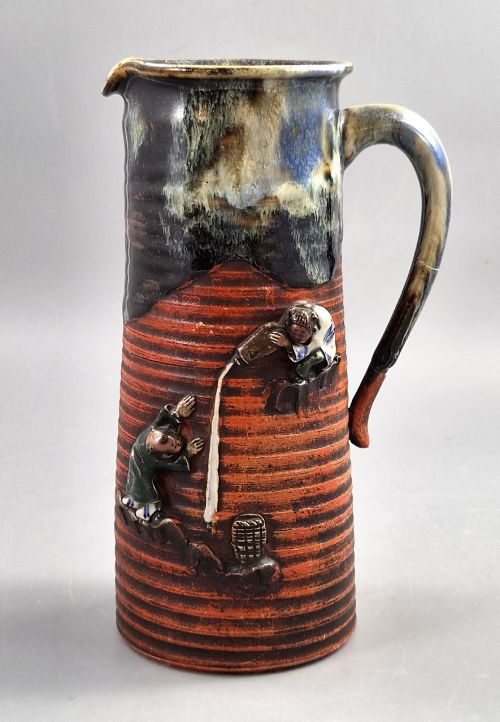
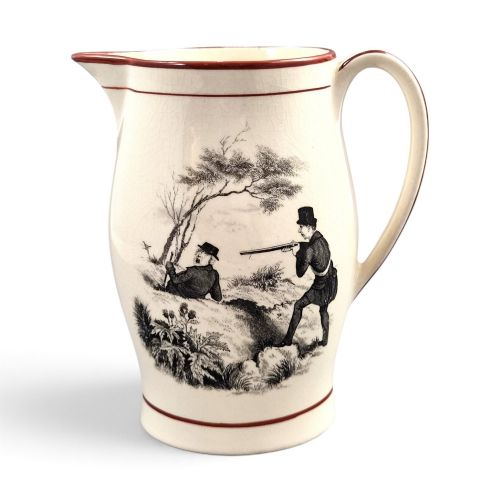
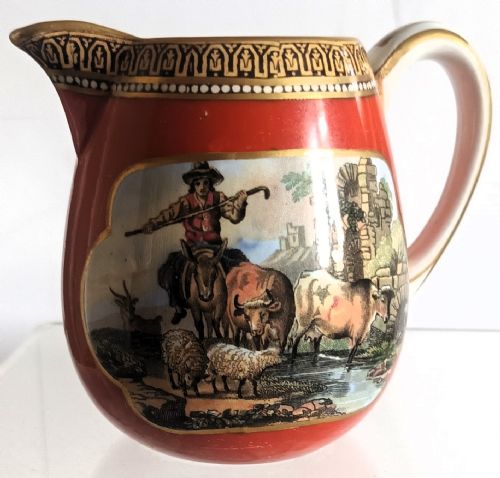
These red ceramic jug examples span nineteenth-century earthenware and twentieth-century terracotta, offering tactile glazes and historic forms for everyday use.
Red Ceramic Jug
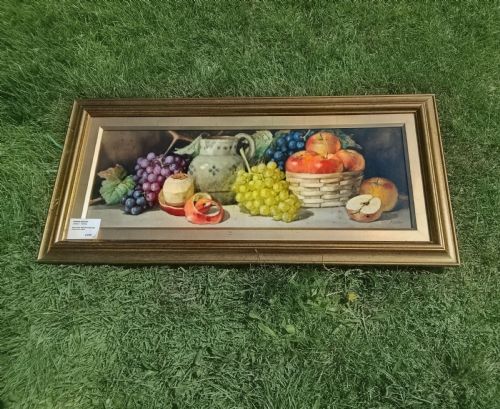
When you search for a red ceramic jug, you examine vessels shaped from earthenware, ironstone, and terracotta across the nineteenth and twentieth centuries. These pieces encompass utilitarian pitchers, decorative vases, and smaller creamers designed for the table or display.
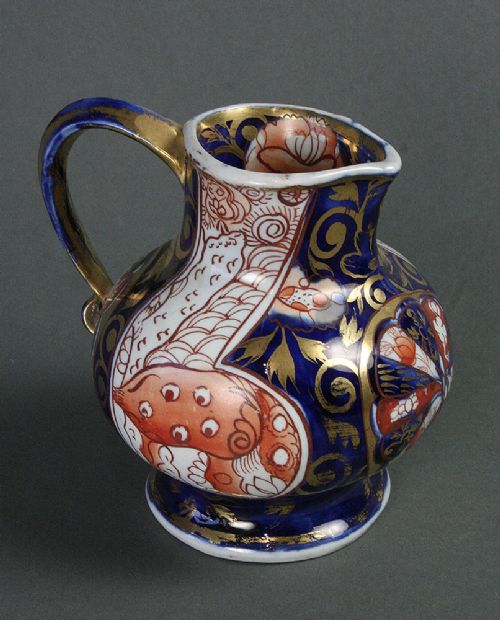
The selections on this page lean heavily towards nineteenth-century Victorian pieces and early twentieth-century examples, incorporating styles from the aesthetic movement to Georgian folk art. You will encounter earthenware bodies finished with vibrant glazes, enamel, and specific patterns like red scale or pagoda motifs.
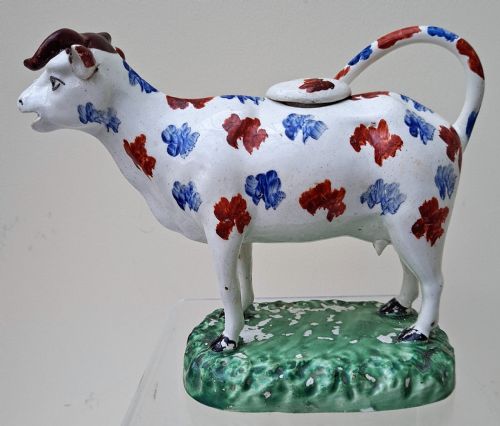
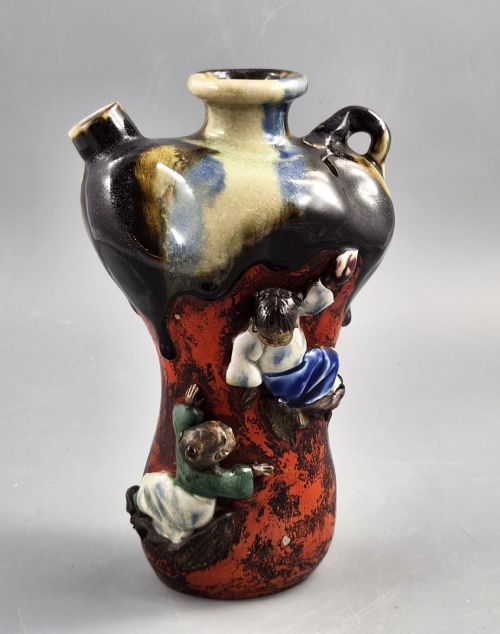
Makers and potteries from English, Japanese, and French origins populate these listings, presenting distinct regional techniques in clay manipulation and surface decoration. Each red ceramic jug bears the characteristic marks of its period, whether through transfer-printing or hand-painted floral scenes.
Materials and production methods
Potters shaped these vessels using earthenware and ironstone bodies, often building forms by hand or throwing them upon a wheel before firing. The resulting structures range from heavy ironstone pitchers to lighter terracotta vases and creamers.
Surface decoration relies upon applied glazes, enamel, and oil paint to achieve deep red colourations and intricate patterns. Techniques such as transfer-printing and hand-painting define the visual depth of pieces from the Victorian and Georgian eras.
Listings feature earthenware, ironstone, and terracotta across nineteenth-century Victorian, Georgian, and twentieth-century periods.
Assessing quality in historical ceramics
The distinction between standard domestic wares and finer production lies in the crispness of the moulded relief and the control of the glaze firing. Superior examples display even colour distribution without pooling or dry patches across the body.
Details in hand-painted motifs and the precision of transfer-printed patterns separate workshop output from mass production. Well-preserved gilding and intact enamel surfaces elevate the visual integrity of a piece.
The Red Ceramic Jug Glossary
- Earthenware
- Porous pottery fired at lower temperatures, requiring a vitreous glaze to hold liquids. It forms the foundation of most traditional jugs and pitchers on this page.
- Ironstone
- A dense, durable type of earthenware patented in the nineteenth century to imitate Chinese porcelain. It resists chipping and carries rich patterns well.
- Transfer-printing
- A mechanical decoration technique using an engraved copper plate to transfer a design onto paper and then onto the ceramic body. This method allowed consistent patterned details on nineteenth-century pieces.
- Creamware
- A refined light-coloured earthenware developed in the eighteenth century, known for its warm cream tone under a clear lead glaze. It provides a smooth surface for painted and printed scenes.
- Pratt-ware
- Earthenware decorated with multi-coloured underglaze pigments, typically restricted to blue, ochre, brown, green, and orange or red. It is characteristic of nineteenth-century Staffordshire production.
Red Ceramic Jug: Frequently Asked Questions
Can I use these old jugs for serving liquids?
Many nineteenth-century and twentieth-century vessels remain structurally sound for holding water or cream if the interior glaze is intact and free of cracks. Earthenware can be porous if the glaze has developed internal hairline fractures over time.
Inspect the interior carefully before introducing liquids to ensure the barrier holds. For delicate decorative pieces, dry display remains the safest choice.
What is the difference between ironstone and earthenware?
Ironstone is a heavily vitrified form of earthenware fired at higher temperatures to achieve greater strength and a heavier weight. It bridges the gap between common pottery and true porcelain.
Standard earthenware remains more porous and lighter in hand. Both materials appear frequently among these listings depending on the manufacturing period.
How do I identify a Victorian ceramic piece?
Victorian ceramics often display characteristic nineteenth-century aesthetic preferences, such as transfer-printed floral motifs, rich colour palettes, and moulded geometric or naturalistic reliefs. Maker marks and registry diamonds stamped on the base offer precise dating clues.
Stylistic cues like the dense ornamentation of the aesthetic movement or traditional Staffordshire forms also point directly to this era.