




Red Caucasian Kazak Rug
A red caucasian kazak rug brings bold geometry and rich village wool into a room.
Red Caucasian Kazak Rug
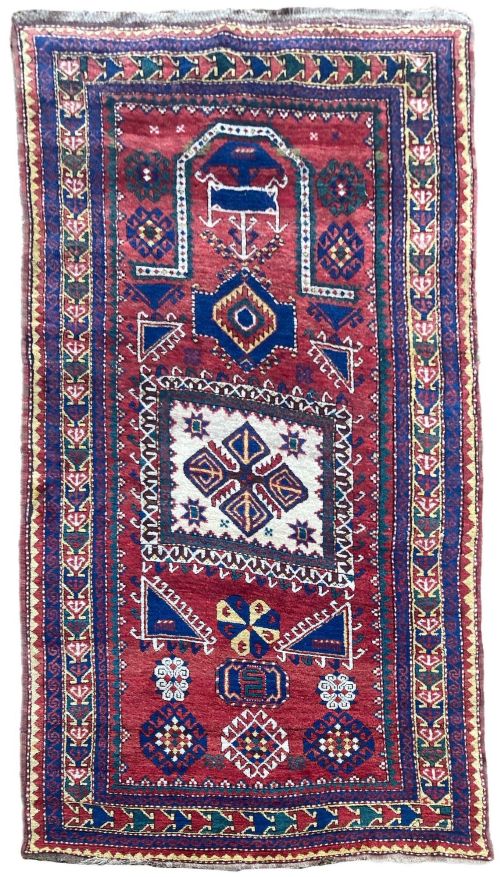
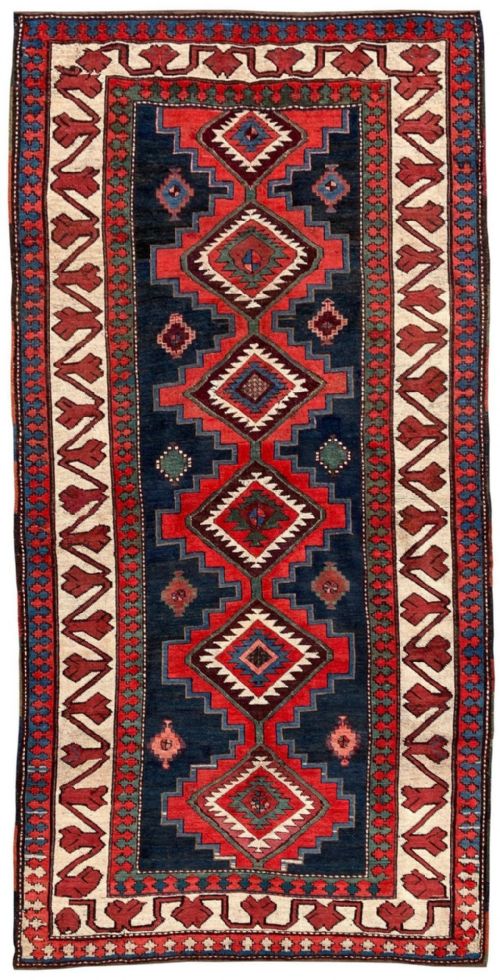
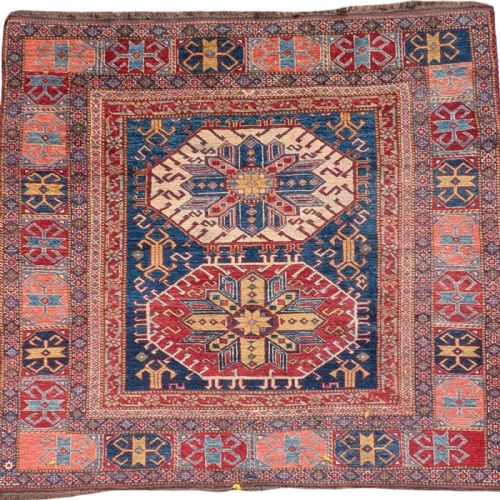
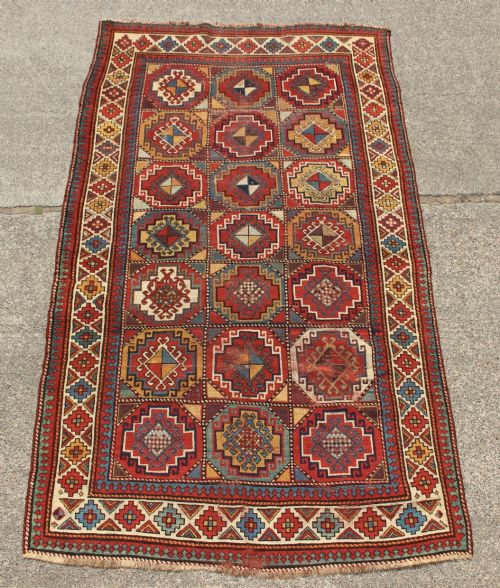
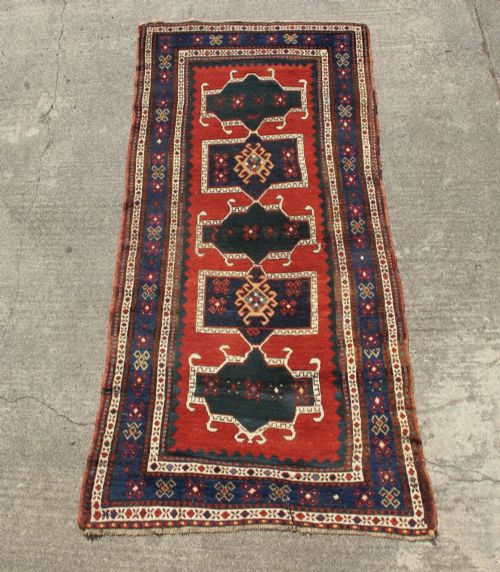
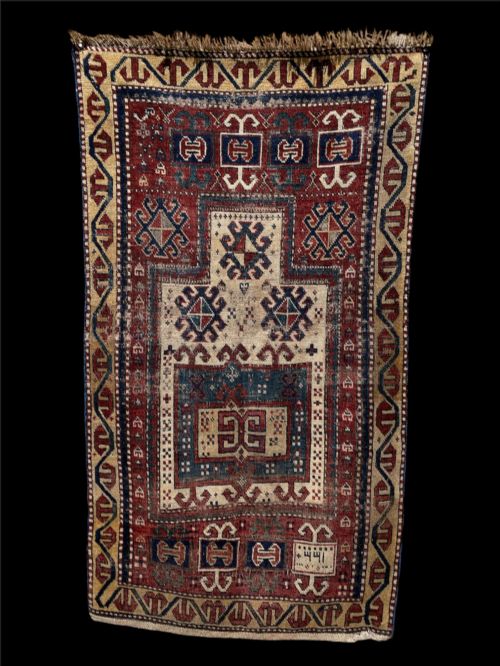
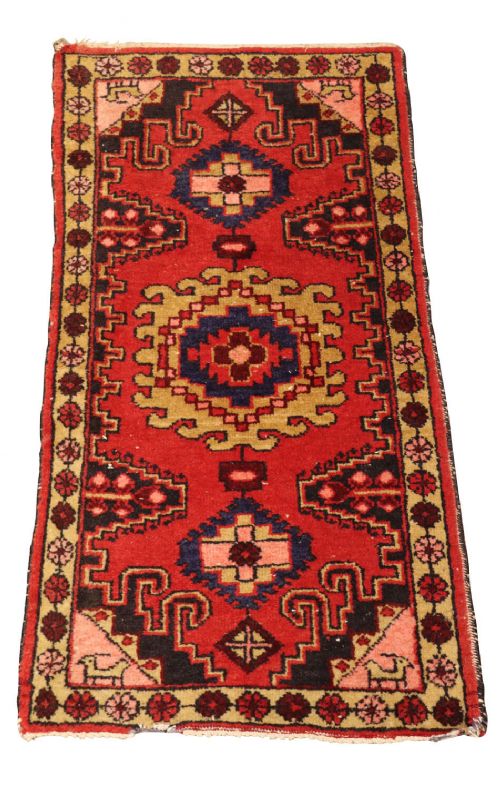
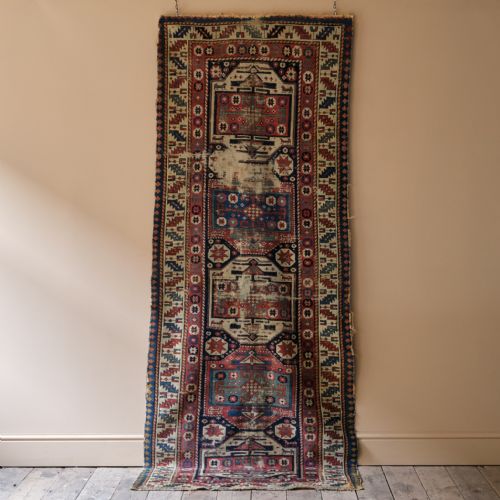
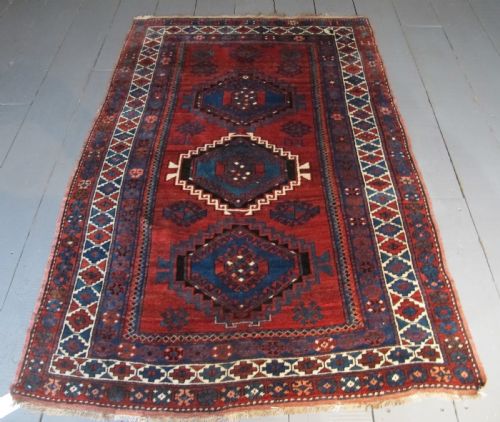
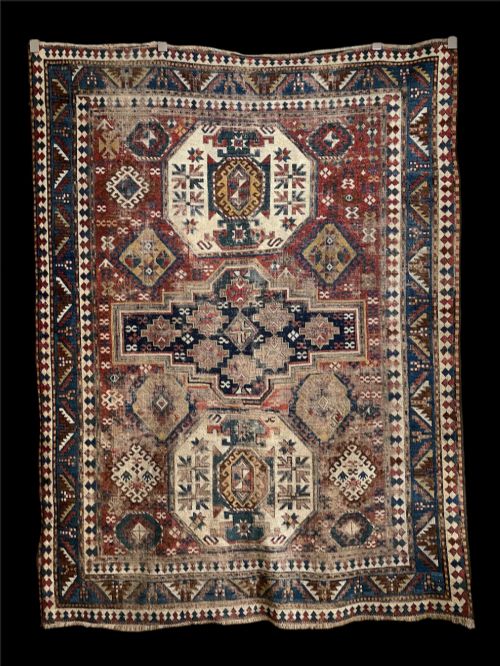
A red caucasian kazak rug is a hand-knotted village weaving originating from the Caucasus region during the nineteenth and early twentieth centuries. These textiles typically feature geometric medallions, animal motifs, and tribal patterns set against a striking red ground.
Buyers will encounter various formats on this page, ranging from standard area rugs and square prayer formats to long runners and kilim panels. Pieces date across multiple decades from the mid-nineteenth century to the 1930s, displaying regional designs such as Fachralo, Moghan, Borchalu, and Karachov.
Materials and construction
Weavers constructed these pieces utilising wool, hand-spun wool, and cotton foundations with tight hand-knotted piles. Natural dyes provided the deep reds, blues, and contrasting tones seen across the surviving examples.
The use of hand-spun wool gave the pile a resilient structure and varied texture that absorbs natural dye colours with distinct depth. Foundation materials typically combine wool and cotton depending on the specific tribal workshop and period of production.
Listings span production dates from the 1850s through to the 1930s, utilising hand-spun wool and natural dyes.
Assessing quality and character
Quality in these weavings rests upon the crispness of the geometric drawing, the saturation of the natural dyes, and the density of the knotting. Finer examples display precise control over complex medallion layouts and animal motifs.
Condition and integrity also define the upper tier of the range, where intact original borders and minimal pile loss preserve the weaver's original intent. Remnants and heavily restored runners sit lower on the scale but still demonstrate traditional village techniques.
The Red Caucasian Kazak Rug Glossary
- Prayer rug
- A small format featuring a mihrab or niche design historically used for daily devotions. These pieces often display specific regional colour combinations.
- Medallion
- A central geometric ornament set into the field of the rug. They frequently appear as hooked, octagonal, or multiple linked shapes.
- Boteh
- A stylised almond or paisley motif representing a floral shoot or cypress tree. This pattern appears frequently in runner and long rug formats.
- Kilim
- A flat-woven textile made without a pile by tightly interweaving warp and weft threads. Some examples are constructed from repurposed storage bag panels.
- Mihrab
- The arched architectural niche depicted on prayer rugs that directs the focus of the design. It forms the focal point of Fachralo and Karachov prayer formats.
Red Caucasian Kazak Rug: Frequently Asked Questions
What is a kazak rug?
A kazak rug is a traditional hand-knotted village weaving produced in the Caucasus region. These textiles are known for their bold geometric patterns and use of saturated natural dyes.
Weavers utilised wool and hand-spun materials to create durable floor coverings that often featured distinct tribal motifs, animal figures, and central medallions.
How do I date an antique kazak?
Dating relies on examining the materials, structural characteristics, and natural dye palettes used in the weaving. Pieces from the nineteenth century often show softer wool variations and specific regional drawing styles.
Later examples from the early twentieth century transition into slightly different synthetic or mixed dye usages and broader commercial sizing. Comparing medallion structures and border designs helps place a piece within its historical period.
Where were these rugs made?
These textiles were woven by village and tribal groups across the Caucasus region, which encompasses areas of modern-day Armenia, Azerbaijan, and Georgia. Specific districts like Fachralo, Borchalu, and Moghan developed distinct local designs.
Local weavers utilised available wool and traditional dyeing techniques passed down through generations to produce these regional floor coverings.
How should I care for an antique rug?
Protect antique wool floor coverings by placing them in low-traffic areas or utilising appropriate breathable underlays. Regular gentle vacuuming without a rotating brush bar prevents dirt accumulation in the pile.
Keep these textiles away from direct sunlight to preserve the natural dye colours and consult a specialist in historic textiles for professional cleaning.