





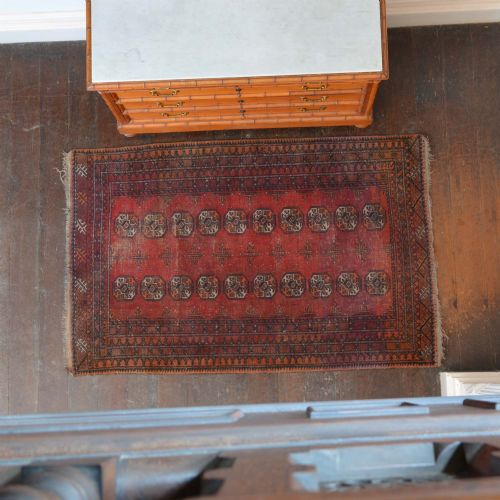


Red Bokhara Carpet
When you search for a red bokhara carpet, you seek the rich Central Asian tribal textiles traditionally woven by nomadic groups in warm red tones.
Red Bokhara Carpet
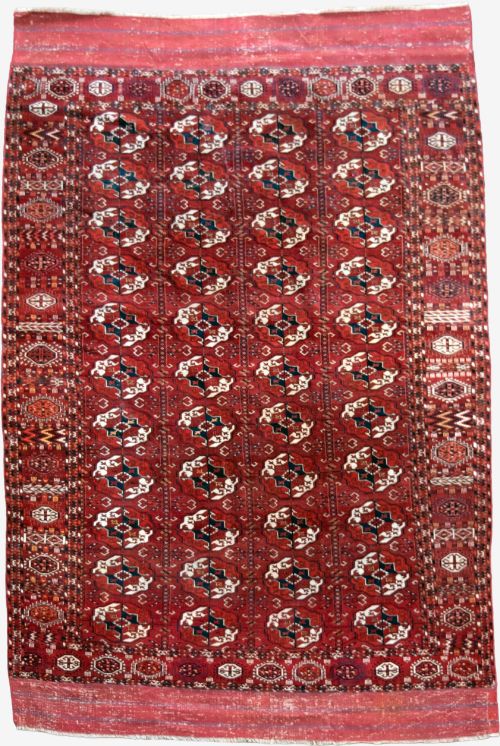
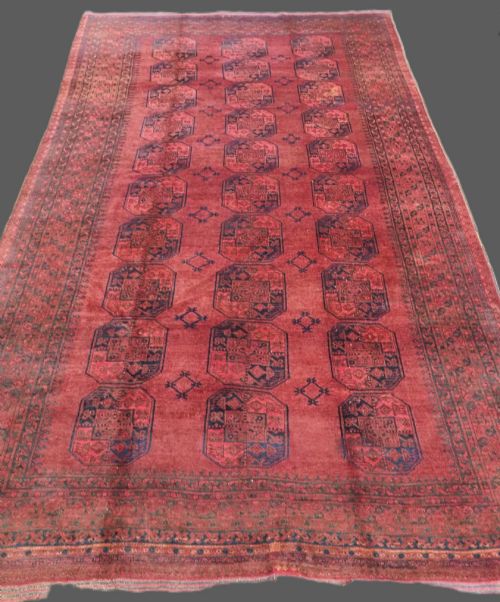
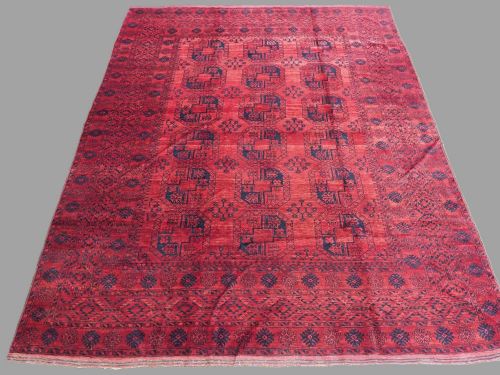
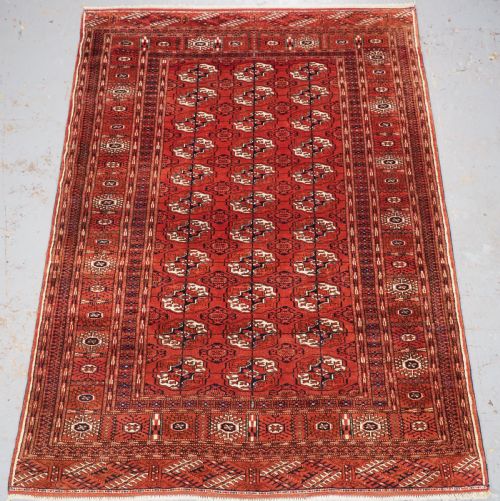
A red bokhara carpet represents the tribal weaving traditions of Central Asia, most frequently associated with Turkmen tribes such as the Tekke and Ersari. These textiles range from large main carpets to smaller dowry rugs, wedding rugs, and torba fragments produced across the nineteenth and early twentieth centuries. The pieces met on this page typically display traditional gul motifs and warm red or burgundy colourways derived from regional dyeing practices.
Makers within this tradition include specific tribal groups and village weavers operating across nineteenth-century Central Asia and Afghanistan. Their output encompasses utilitarian floor coverings alongside special ceremonial pieces created for weddings and dowries. Buyers encounter various formats, including runners, area rugs, and expansive main carpets intended for principal rooms.
Factors Distinguishing Quality
Quality in these textiles rests upon knot density, the precision of the tribal gul design, and the depth of the natural red colour. Finer weaves and intact structural integrity separate standard village examples from master-produced main carpets and wedding rugs.
Condition also plays a role, with surviving pile depth and original edge finishes distinguishing well-preserved specimens from heavily worn fragments or pieces requiring extensive conservation.
Red Bokhara Carpet Retail Price Guide 2026
Typical asking prices for red bokhara carpet among the pieces listed under this phrase on Sellingantiques today, from the lower quarter to the upper quarter. They describe what is for sale here now, not the wider market.
Several wedding rugs carry subtle ovoid guls woven by hopeful hands.
The Red Bokhara Carpet Glossary
- Gul
- A repeating octagonal medallion motif central to Turkmen and Central Asian carpet design. These primary motifs often define the specific tribal origin of the weaving.
- Torba
- A small Turkmen wall-hanging bag or storage sack produced by tribal groups. These items frequently display fine detail and compressed versions of main carpet patterns.
- Dowry Rug
- A textile created specifically for a bride's trousseau within Turkmen tradition. Such pieces often incorporate silk highlights or unusual design variations.
- Main Carpet
- A large floor covering woven for domestic or ceremonial use within a tribal household. These substantial formats typically require extensive labour and time to complete.
- Cochineal
- A natural red dye stuff yielding rich crimson or pinkish highlights on the wool pile. Its presence usually indicates careful dyeing and higher material quality.
Red Bokhara Carpet: Frequently Asked Questions
What is a red bokhara carpet?
A red bokhara carpet is a traditional Central Asian tribal rug, typically featuring repeating gul motifs woven in warm red or burgundy wool.
These pieces originate from Turkmen and Afghan groups, encompassing both large floor carpets and smaller ceremonial wedding or dowry rugs.
How do I date a Turkmen carpet?
Dating relies on stylistic markers, structure, natural dye variations, and materials like wool and silk highlights. Most antique examples date from the nineteenth to the early twentieth century.
Examining the weave density and tribal design characteristics helps place a piece within its historical production period.
Where were these carpets made?
These textiles were produced by nomadic and village weavers across Central Asia, including regions associated with the Tekke, Ersari, and Afghan tribes.
They reflect the traditional craftsmanship of nomadic and settled communities historically linked through regional trade networks.
How should I care for an antique rug?
Antique wool carpets require gentle vacuuming without rotary brushes and professional cleaning when necessary. Keeping them out of direct sunlight preserves the natural red dyes.
Using an appropriate underlay helps protect the foundation and prevents slipping on hard floors.