


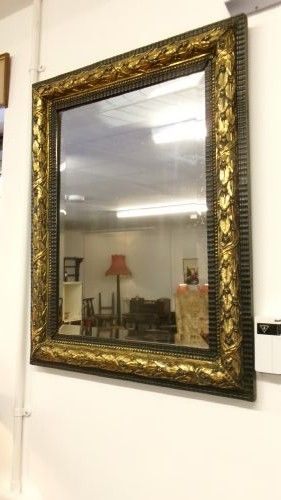
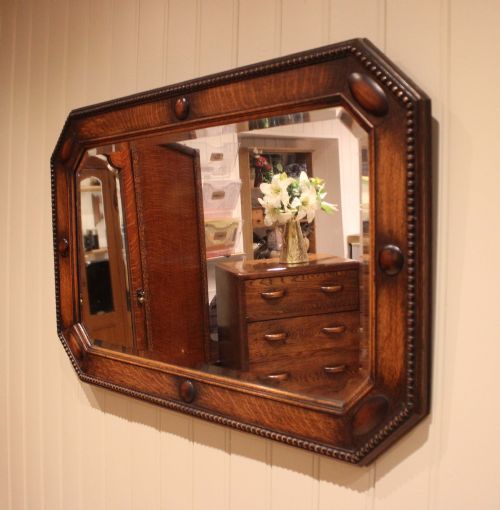
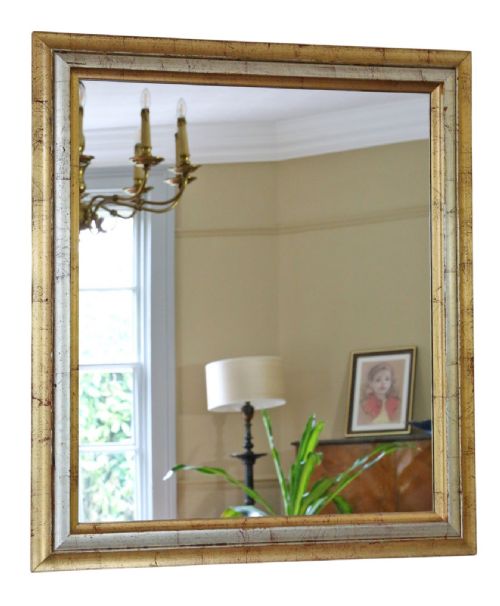
Rectangular Wooden Mirror
A rectangular wooden mirror brings warmth and functional depth to a room, drawing on centuries of cabinet-making traditions from the eighteenth to the twentieth century.
Rectangular Wooden Mirror
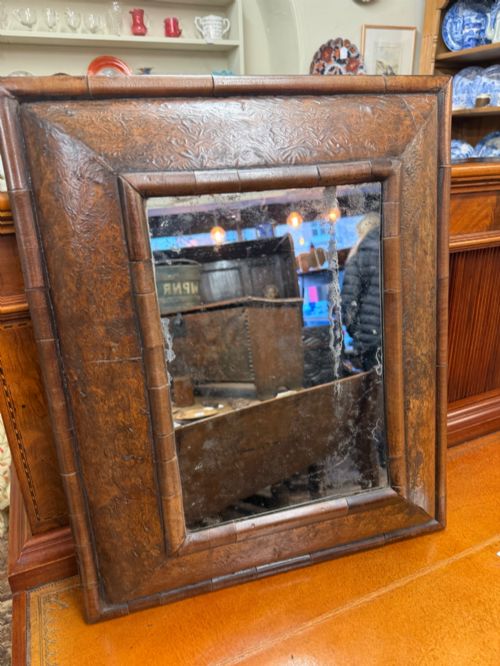
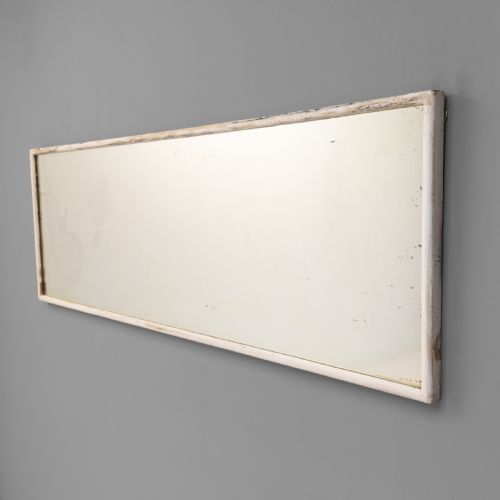
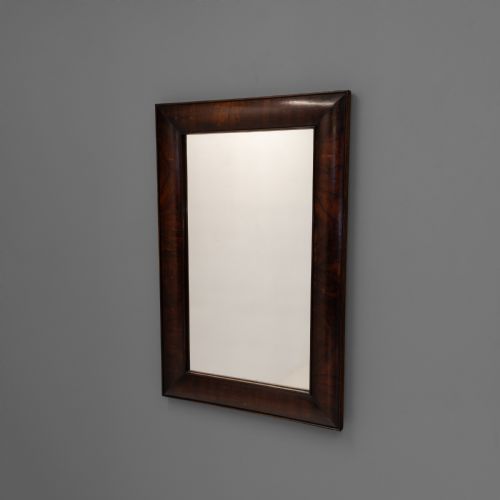
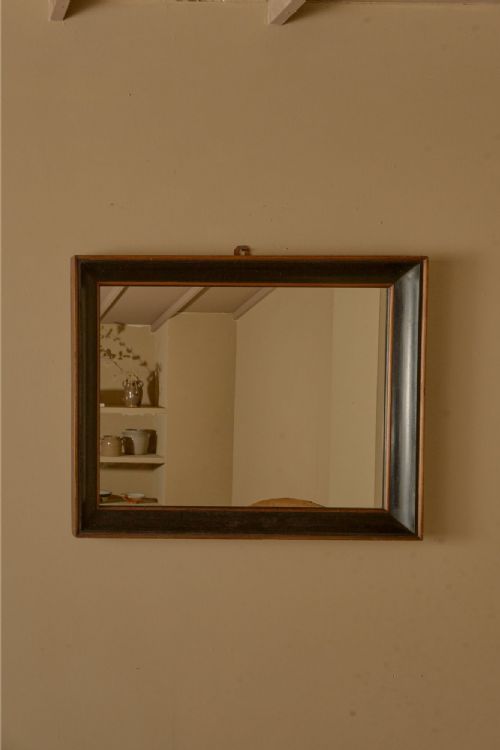
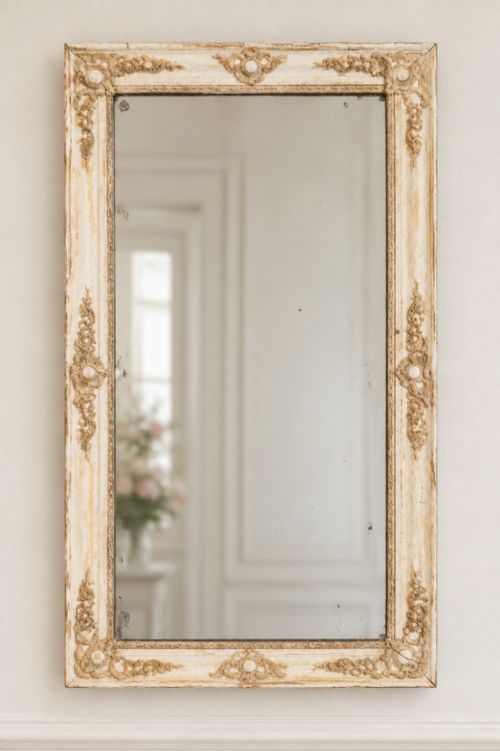
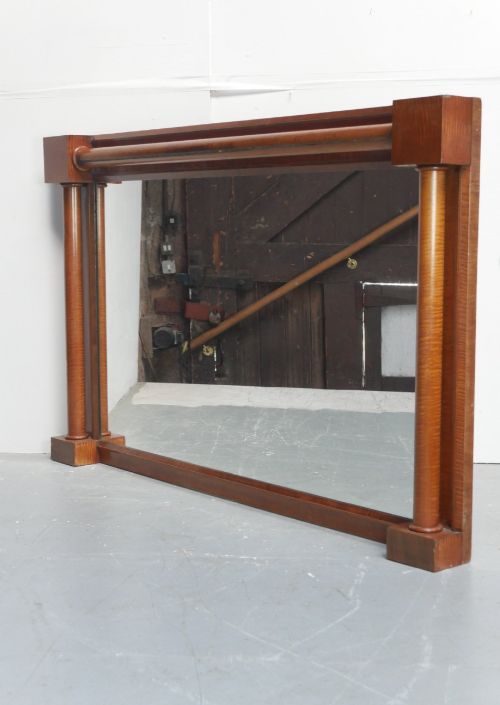
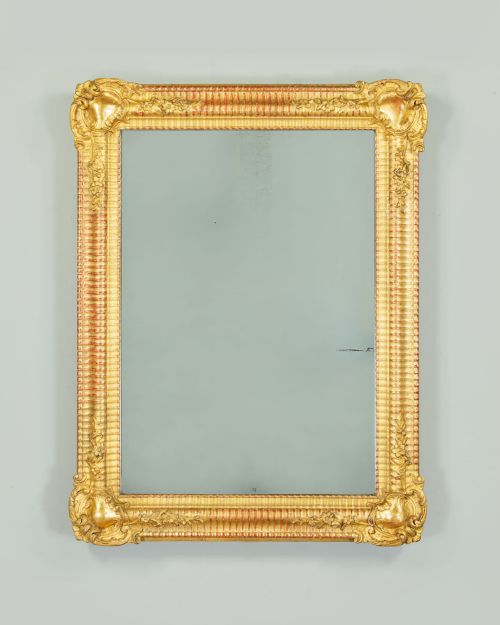
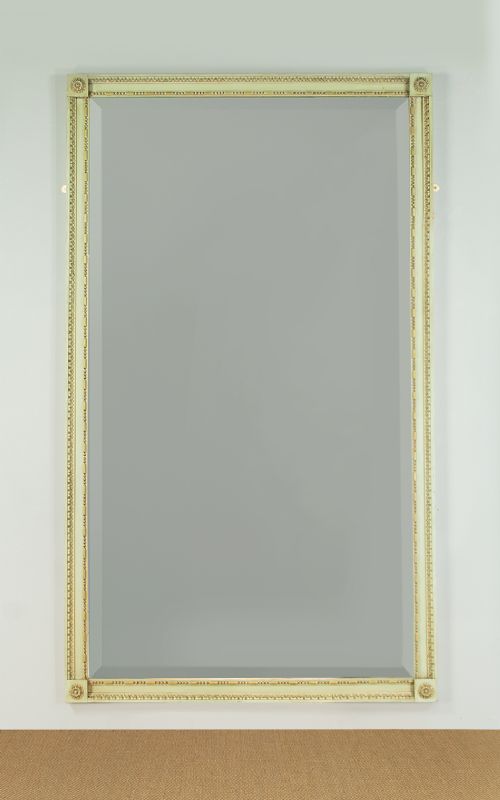
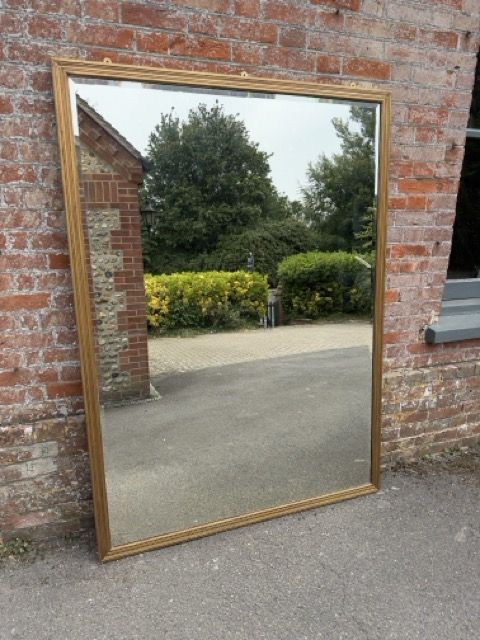
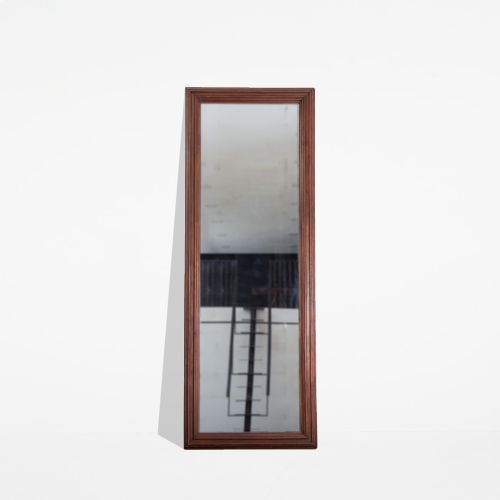
A rectangular wooden mirror spans diverse historical periods, including the Georgian, Regency, and Victorian eras, alongside styles such as French Provincial, Edwardian, and Art Deco. These pieces function primarily as wall mirrors, overmantel mirrors, and pier mirrors designed for domestic interiors and commercial spaces.
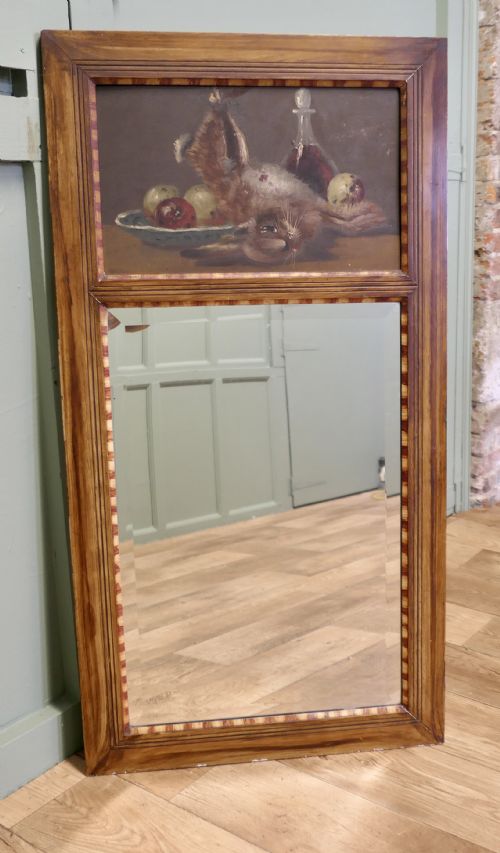
Regional variations include Italian faux marble painted frames, French trumeau pier mirrors, and Indian shisham wood structures with ivory inlay. The nineteenth century yields the highest volume of surviving examples on this page.
Materials and construction
Craftsmen built these frames using solid timbers like oak, walnut, and mahogany, often applying veneers of maple, satin birch, or birds-eye maple over secondary woods. Joinery methods relied on traditional mitred corners and reinforced lap joints to support heavy glass plates.
Surface decoration incorporated carved wood, applied gesso, gold leaf, and painted finishes, including faux marble and ebonised treatments. Mirror glass was set into the rebate and secured with wooden backs, frequently utilising original bevelled glass plates.
Rectangular Wooden Mirror Retail Price Guide 2026
Typical asking prices for rectangular wooden mirror among the pieces listed under this phrase on Sellingantiques today, from the lower quarter to the upper quarter. They describe what is for sale here now, not the wider market.
Craftsmanship and preservation
Quality rests in the precision of the timber selection and the depth of the carving, where hand-tooled details on oak or walnut display superior artistry compared to plain moulded stock. The integrity of the original surface finish, whether giltwood, ebonised wood, or painted pine, dictates the visual authority of the piece.
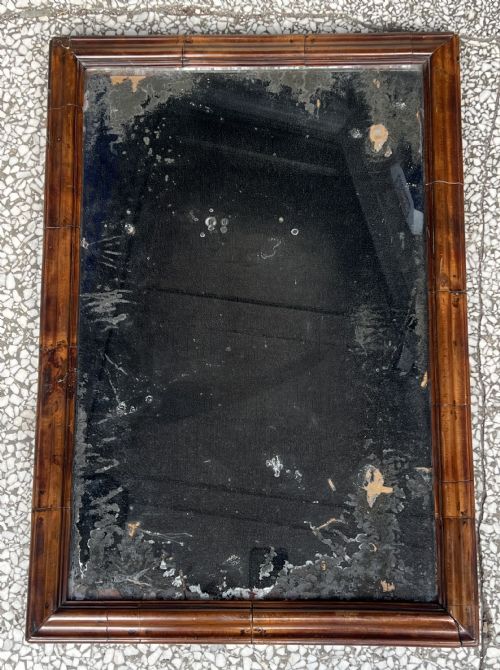
The preservation of the original mirror glass plate, complete with natural ageing and foxing, distinguishes untouched examples from later replacements. Structural rigidity in large overmantel frames also marks the difference between standard domestic joinery and exceptional workshop production.
The Rectangular Wooden Mirror Glossary
- Trumeau mirror
- A decorative mirror designed to sit within wall panelling or above a mantelpiece, frequently incorporating painted panels or carvings above the glass. These tall vertical pieces originated in eighteenth-century French interior design.
- Overmantel mirror
- A large horizontal mirror specifically scaled to hang above a fireplace mantel. They often feature giltwood or heavy timber frames.
- Ebonised wood
- Timber treated with a chemical stain or black finish to imitate expensive ebony. This technique was popular in nineteenth-century furniture and mirror frames.
- Gesso
- A plaster-like mixture applied to wooden frames as a base for gilding or painting. It allows craftsmen to carve intricate relief details before applying gold leaf.
- Cushion mirror
- A frame profile characterised by a broad, convex sweep outward toward the outer edge. This bulbous form creates a strong visual weight in walnut and oak examples.
Rectangular Wooden Mirror: Frequently Asked Questions
How do I hang a heavy wooden overmantel mirror?
Large overmantel mirrors require substantial wall anchors fixed directly into masonry or structural wall studs to support their considerable weight safely.
Professional mirror hangers typically utilise heavy-duty steel brackets or French cleats screwed securely into the frame backing.
Are the mirror plates original?
Many nineteenth-century frames retain their original glass, which often displays characteristic light oxidation, minor speckling, and silvering irregularities.
Replacement glass tends to appear noticeably flat and clear without the slight distortion found in older pulled or cast glass plates.
How do I clean an antique giltwood frame?
Giltwood and gesso surfaces require gentle dusting with a soft, dry brush to prevent damage to the delicate gold leaf layers.
Liquid cleaners and abrasive cloths must be avoided entirely, as moisture strips historical water-gilding and painted finishes from the wood.
What is a pier mirror?
A pier mirror is a tall, narrow glass designed to fit the wall space, known as a pier, situated between two windows.
These pieces frequently matched console tables placed underneath to reflect additional light into dimly lit Victorian and Georgian reception rooms.