



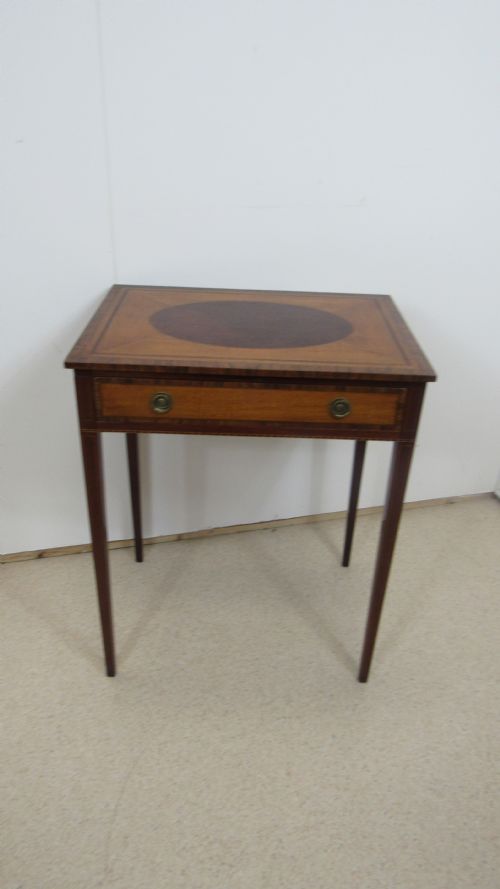


Rectangular Accent Table
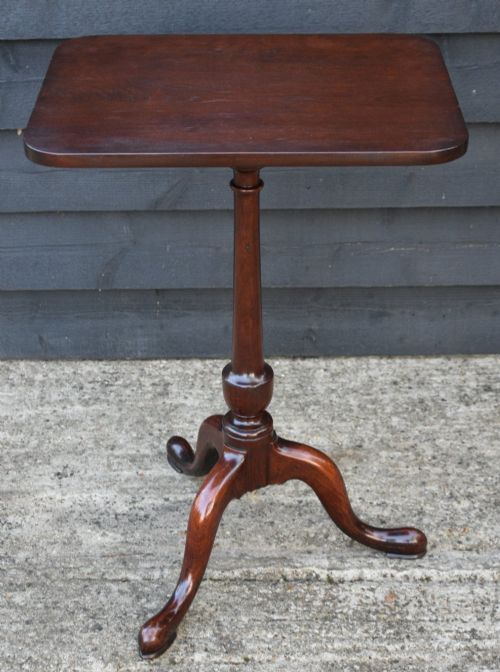
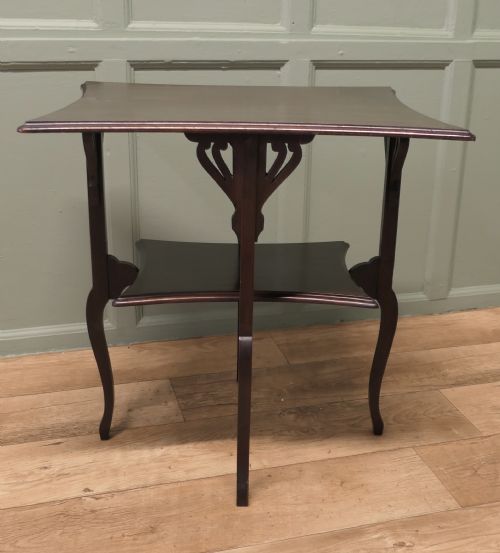
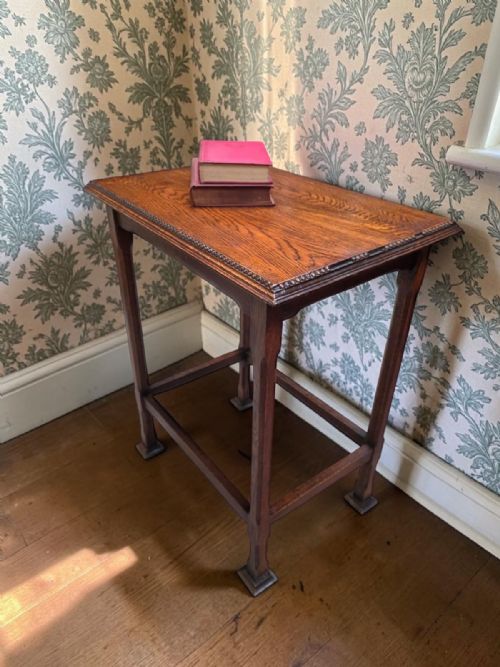
A rectangular accent table brings useful surface space and period character into a room, spanning styles from Georgian mahogany to Arts and Crafts oak.
Rectangular Accent Table
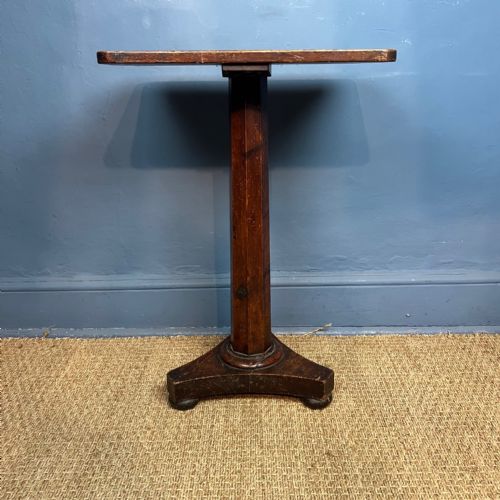
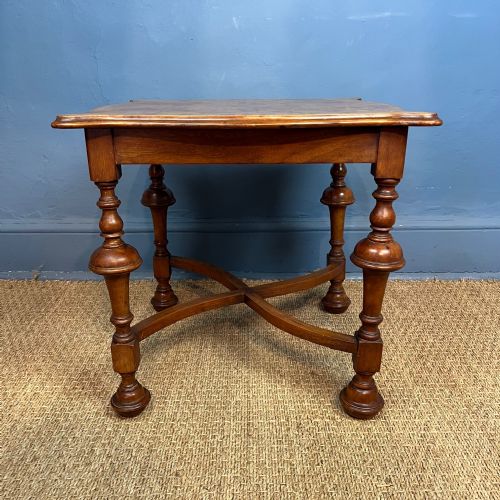
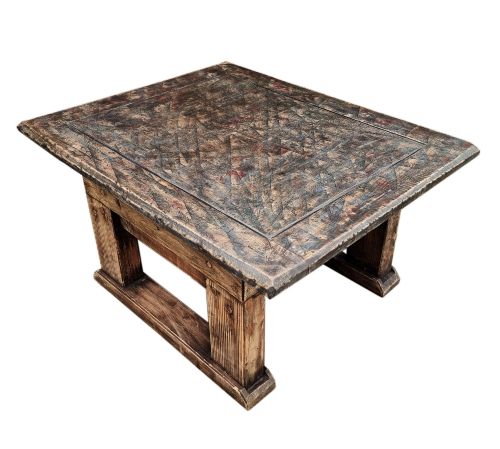
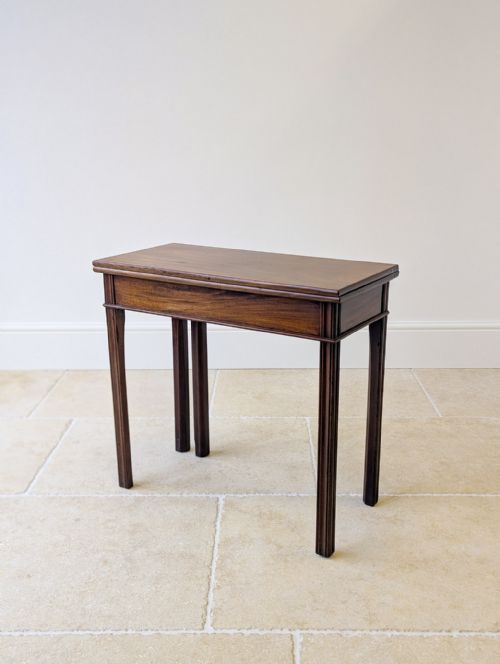
A rectangular accent table serves multiple domestic purposes, appearing in the evidence as side tables, occasional tables, wine tables, tea tables, and dumbwaiters.
The pieces on offer span the eighteenth, nineteenth, and early twentieth centuries, encompassing Georgian, Regency, Edwardian, and Art Deco periods.
Buyers will encounter diverse regional origins and design movements, including British craftsmanship, Anglo-Indian work, and Qing Dynasty Chinese pieces.
How they were made
Cabinetmakers utilised a wide variety of timbers, relying heavily on mahogany, oak, rosewood, fruitwood, and satinwood for the primary structures.
Many examples incorporate decorative details such as brass fittings, inlaid specimen woods, painted decoration, and intricate carving on hardwood frames.
Rectangular Accent Table Retail Price Guide 2026
Typical asking prices for rectangular accent table among the pieces listed under this phrase on Sellingantiques today, from the lower quarter to the upper quarter. They describe what is for sale here now, not the wider market.
Some tables double as travelling companions, featuring folding bases ready to pack away after tea.
What varies in quality
The refinement of the timber selection and the precision of inlaid details dictate the visual impact of each table.
Construction methods, from simple folding bases to complex multi-tiered drop-leaf mechanisms, reflect the original purpose and skill of the maker.
The Rectangular Accent Table Glossary
- Occasional table
- A small, movable table designed for casual use in a reception room or parlour. These versatile pieces frequently feature rectangular tops.
- Tea table
- A small table specifically manufactured to hold tea service equipment during the eighteenth century and later periods. Fold-over tops are common.
- Wine table
- A compact table originally intended for holding glasses or bottles near seating. They often stand on a central tripod base.
- Dumbwaiter
- A multi-tiered freestanding piece used for serving food or displaying items without servants present. Tiered rectangular versions appear in Georgian inventories.
- Tray top
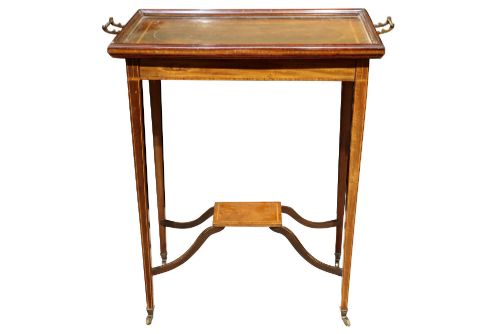
- A table top with a raised rim designed to prevent items from sliding off. This feature is frequently seen on Edwardian examples.
Rectangular Accent Table: Frequently Asked Questions
Where should I place a rectangular accent table?
These tables fit easily beside a sofa, armchair, or against a hallway wall where surface space is needed without cluttering the room.
Their compact footprints and various heights allow them to function effectively as lamp tables or occasional resting spots for books and drinks.
How do I care for antique wood tables?
Keep wooden surfaces away from direct sunlight and strong heat sources to prevent the timber from drying out or splitting.
Regular dusting with a dry cloth maintains the finish, and occasional applications of appropriate wax nourish traditional polish.
What is the difference between an occasional table and a side table?
While both terms describe smaller tables intended to complement main furniture groupings, side tables traditionally stood against walls.
Occasional tables were often moved about the room as needed for specific activities like serving tea or holding reading material.
How can I tell a Georgian table from an Edwardian one?
Georgian tables typically display heavier structural timbers like oak and mahogany with simpler, functional elegance suited to eighteenth-century domestic life.
Edwardian pieces often incorporate lighter woods, delicate inlay work, and refined tray tops characteristic of early twentieth-century decorative tastes.