





Reclaimed Wooden Doors
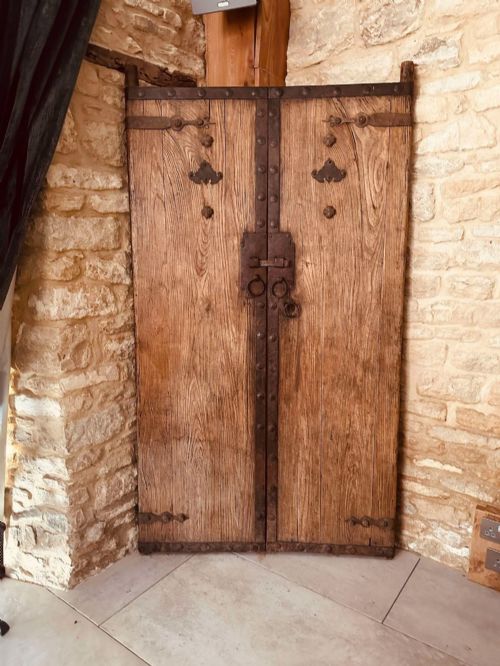
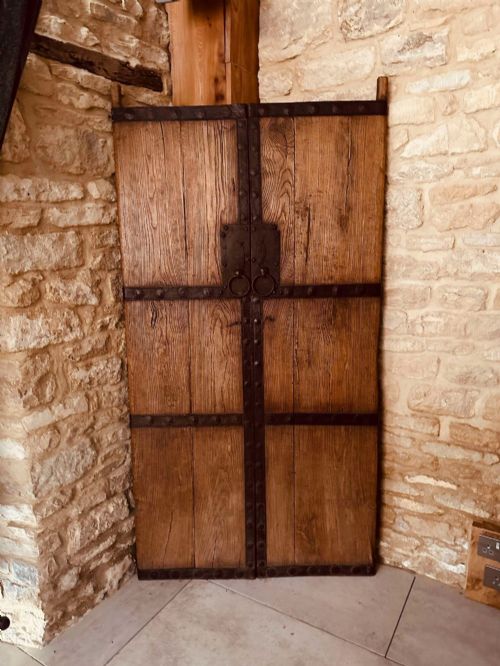
These reclaimed wooden doors offer genuine architectural character, bringing authentic period substance and heavy timber framing directly into modern interiors.
Reclaimed Wooden Doors
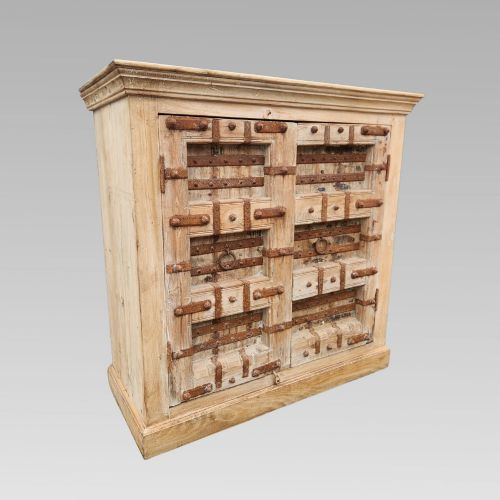
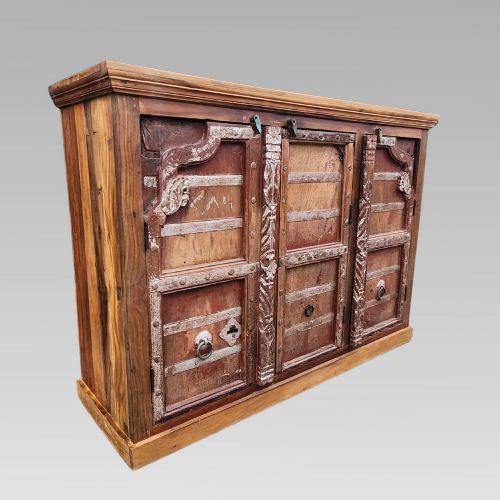
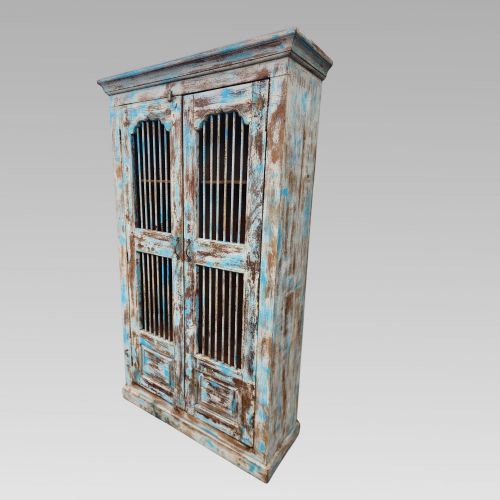
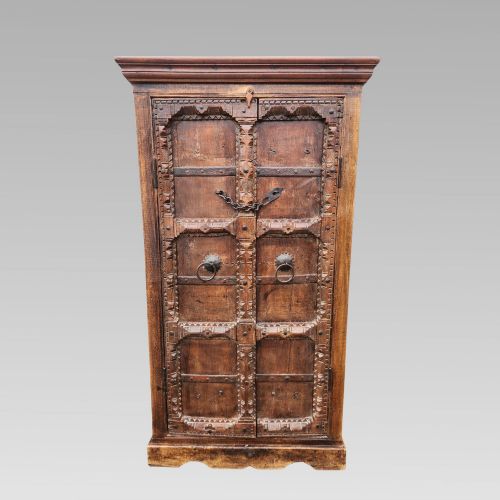
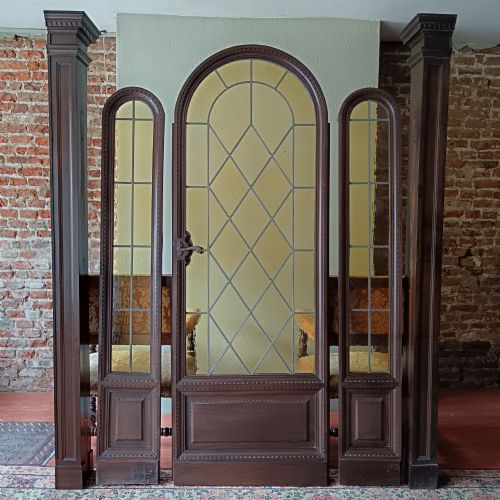
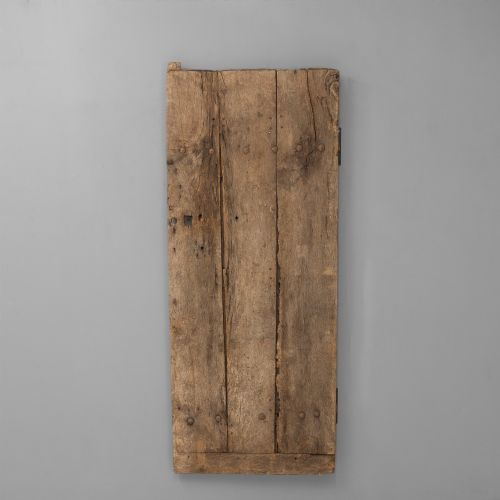
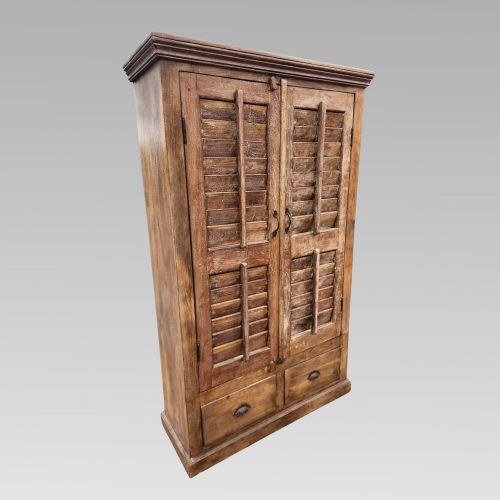
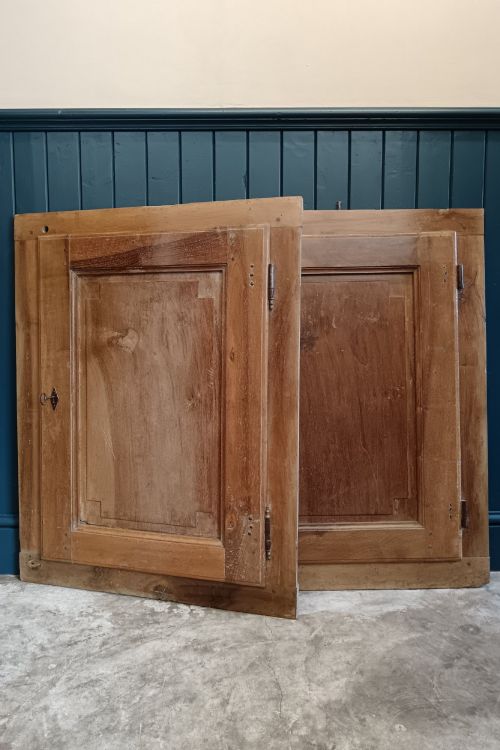
Reclaimed wooden doors encompass architectural salvage ranging from French walnut pairs and chapel entrances to Indian teak storage cupboards and Italian arched frames. Buyers examining reclaimed wooden doors will encounter heavy timber constructions spanning the nineteenth century through the early decades of the nineteen-hundreds.
Materials and construction methods
Makers utilised dense timbers including oak, pine, walnut, teak, and rosewood, often pairing the primary wood with heavy ironwork and brass hardware. These materials provided the structural integrity required for large entrance screens, chapel portals, and armoire doors.
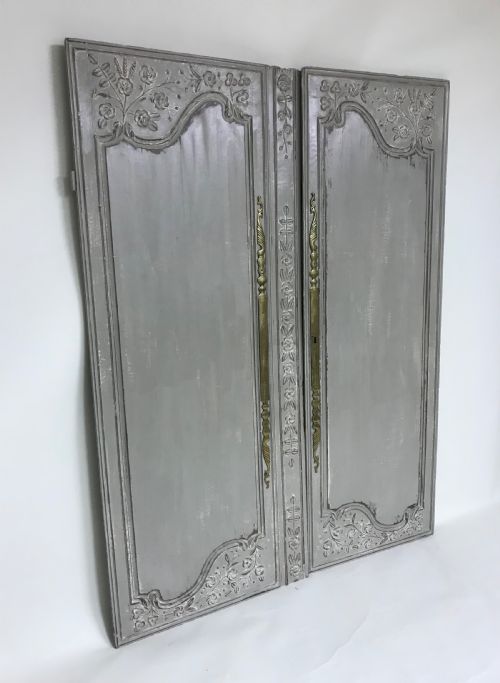
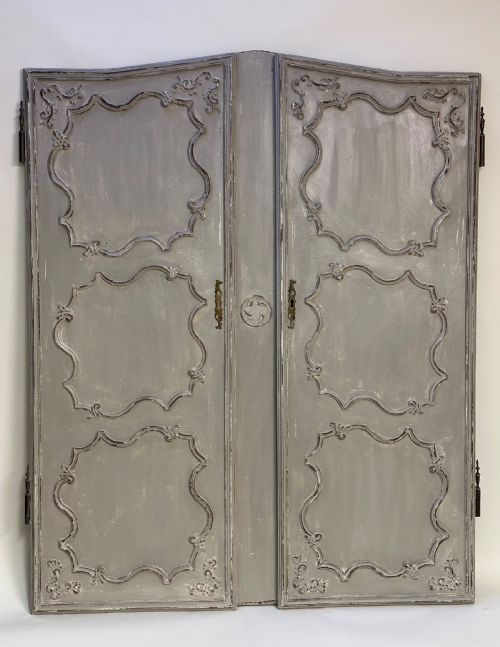
Surface treatments recorded in the evidence include historic paint finishes and natural waxed woods that highlight the grain. Hand-carved details appear on French panels, whilst Indian storage pieces utilise reclaimed timbers with weathered patinas.
Reclaimed Wooden Doors Retail Price Guide 2026
Typical asking prices for reclaimed wooden doors among the pieces listed under this phrase on Sellingantiques today, from the lower quarter to the upper quarter. They describe what is for sale here now, not the wider market.
Listings feature items built from teak, pine, oak, walnut, and cherrywood, spanning the nineteenth century to 1930.
Markers of quality
Quality in reclaimed wooden doors is determined by the integrity of the original timber framing, the weight and authenticity of the accompanying iron or brass hardware, and the depth of hand-carved detail. Superior examples retain their original structural scale and unmodified joinery.
The distinction between standard utility doors and finer architectural salvage lies in the preservation of original paint finishes, balanced proportions, and the specific density of the wood used, whether walnut, oak, or teak.
The Reclaimed Wooden Doors Glossary
- Architectural salvage
- Building materials rescued from structures scheduled for demolition or alteration. These pieces are repurposed for interior design and structural integration.
- Vestibule doorway
- An inner entrance area or screen incorporating doors and frames. They often feature glass panels or heavy timber mouldings designed for grand hallways.
- Louvre door
- A door fitted with horizontal timber slats that allow ventilation. These are frequently seen on storage cupboards and wardrobe constructions.
- French provincial
- A regional style originating from French rural areas. It typically displays simpler carved ornamentation than Parisian pieces while maintaining robust proportions.
- Wrought ironwork
- Iron shaped by heating and hammering by hand. This material provides hinges, straps, and hardware on heavier period doors.
Reclaimed Wooden Doors: Frequently Asked Questions
What periods do these doors come from?
The inventory spans the nineteenth century and the early twentieth century, encompassing Victorian pieces alongside 1800s and 1900s examples.
These dates reflect the era of original manufacture before the items were salvaged for modern architectural use.
How were reclaimed doors originally used?
Many served as grand entrance screens, chapel portals, or exterior vestibule doorways in substantial residential and public buildings.
Others functioned as armoire panels, cupboard fronts, and internal room dividers within provincial properties.
What timber types are most common?
Pine, oak, walnut, and teak appear frequently across the inventory, occasionally supplemented by rosewood and cherrywood.
Each wood dictates the weight, grain pattern, and original structural function of the piece.
Do the doors include original hardware?
Selected examples retain period elements such as wrought ironwork and brass components like centre door knobs.
The presence of original metalwork contributes significantly to the historical integrity of the salvage.