



Reclaimed Oak Carving
Reclaimed oak carving brings heavy timber history straight into modern rooms through panels, corbels and pews built to last.
Reclaimed Oak Carving
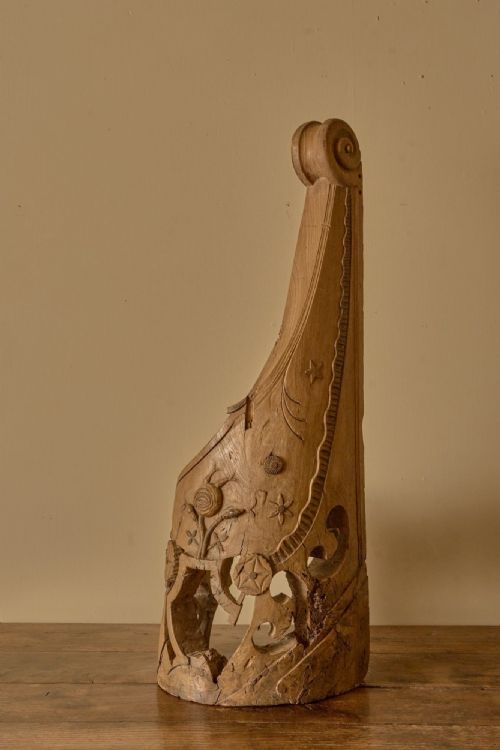
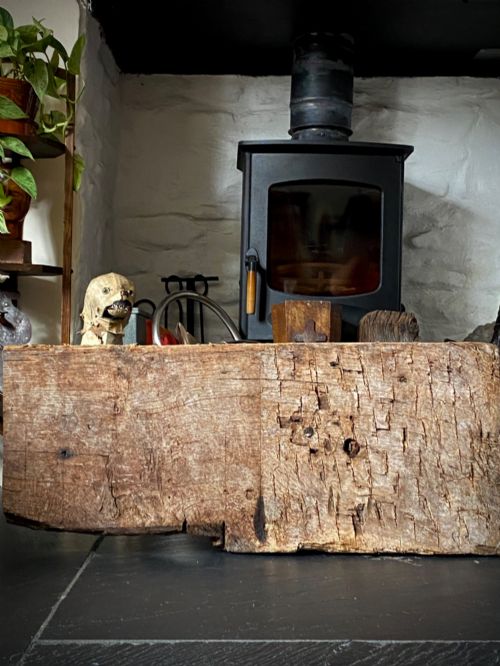
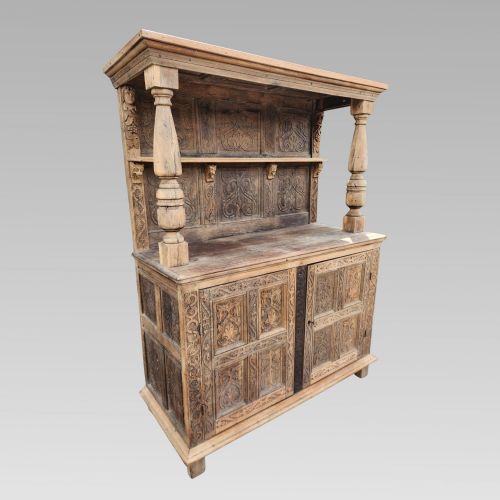
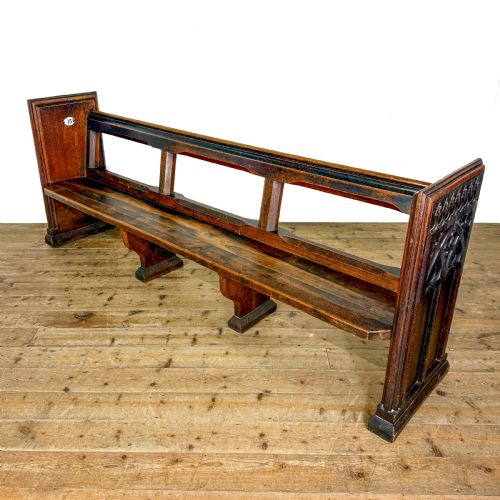
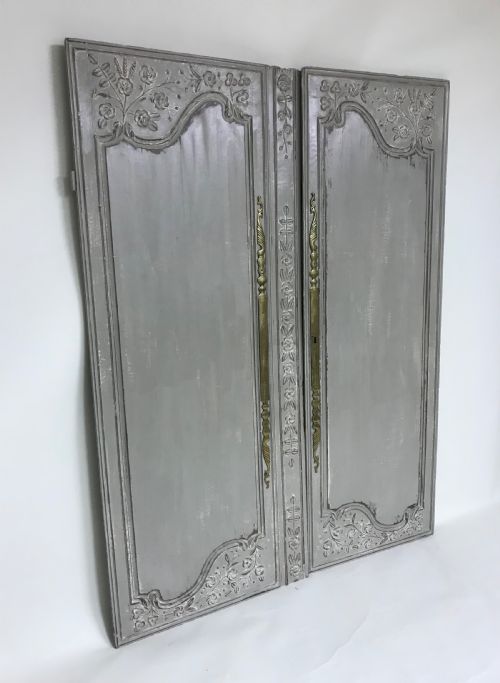
Reclaimed oak carving encompasses heavy architectural salvage and furnishings rescued from historic buildings, churches and chateaux. Buyers find sturdy structural elements like benches, doors and sideboards alongside decorative fragments.
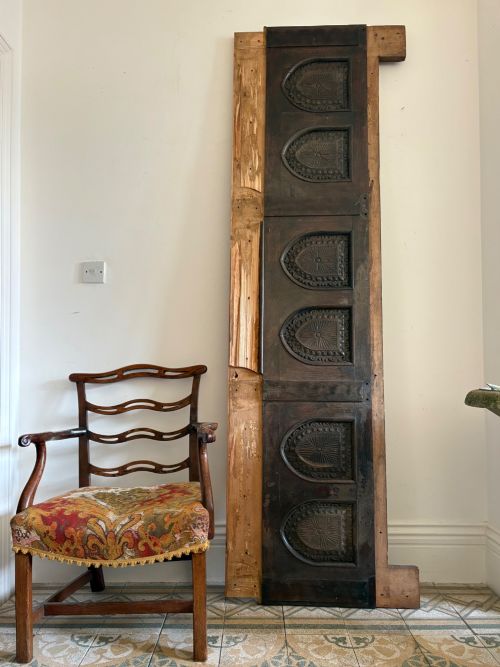
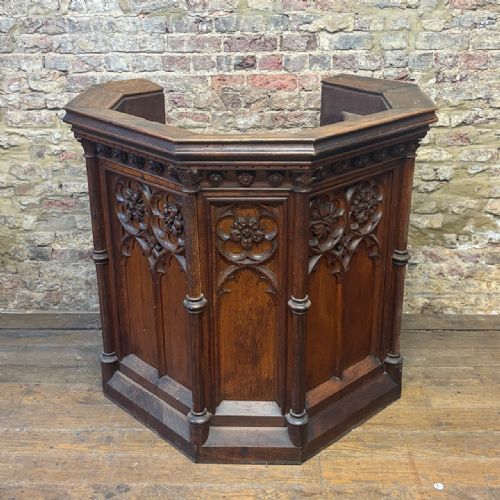
The selections available here lean heavily toward nineteenth-century revival styles and earlier vernacular forms. Pieces range from grand church pulpits and pews to carved panels featuring traditional linenfold or parchemin motifs.
Origins stretch across British and French workshops, utilising dense timber that carries the deep patina of age. These items serve both functional roles in interiors and purely decorative purposes as wall art or architectural accents.
How they were made
Craftsmen shaped these items primarily from solid oak, supplemented occasionally by walnut, utilising hand tools to cut mortise and tenon joints. Surfaces were frequently embellished with deep relief carving, linenfold patterns, or Gothic tracery.
Hardware such as iron and brass fastenings provided structural integrity to doors, benches and sideboards. Paint and timber finishes were applied to protect the wood while accentuating the natural grain and carved details.
Reclaimed Oak Carving Retail Price Guide 2026
Typical asking prices for reclaimed oak carving among the pieces listed under this phrase on Sellingantiques today, from the lower quarter to the upper quarter. They describe what is for sale here now, not the wider market.
The listings here span the seventeenth, eighteenth, and nineteenth centuries, featuring architectural salvage in oak, walnut, iron, and paint.
What varies in quality
The standard of a carved piece depends heavily on the crispness and depth of the chisel work. Sharp, well-defined relief in foliage or tracery demonstrates superior hand skill compared to softer, more mechanically rounded edges.
The integrity of the original timber and the proportion of the salvaged element dictate desirability. Pieces retaining their original structural context, such as matched pairs of doors or intact architectural friezes, command greater attention than fragmented sections.
The Reclaimed Oak Carving Glossary
- Parchemin panel
- A carved wooden panel featuring a design resembling a folded parchment scroll. This motif was popular in late medieval and revival woodwork.
- Linenfold
- A style of wood carving representing vertical folds of fabric, commonly used on fifteenth-century and later panels. It gives flat wooden surfaces a textured, textile-like appearance.
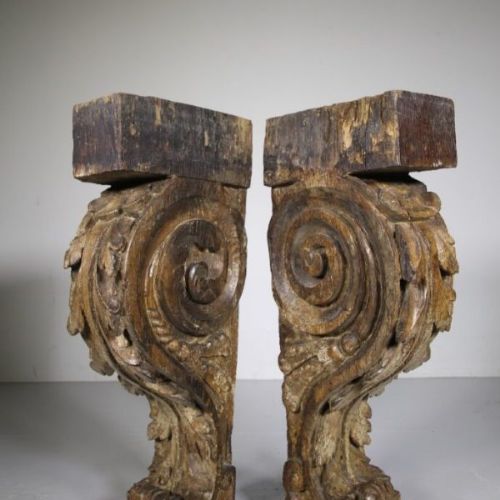
- Corbel
- A structural bracket projecting from a wall to support a weight above. In oak, these are often elaborately carved with scrolls or figures.
- Frieze
- The wide central section part of an entablature, often decorated with bas-relief carvings. In salvaged interiors, these form long decorative wooden strips.
- Gothic Revival
- An architectural and decorative movement drawing inspiration from medieval design. It frequently incorporates pointed arches, tracery, and heavy oak construction.
Reclaimed Oak Carving: Frequently Asked Questions
How do I hang a heavy carved oak panel?
Heavy architectural panels require secure mounting into masonry or direct attachment to wall studs using concealed metal brackets or heavy-duty battens.
Because solid oak carries significant weight, standard picture wire or light fixings are entirely unsuitable for safe installation.
Can I use church pews as dining seating?
Antique oak pews and benches adapt well to dining rooms when paired with a suitably proportioned rustic table. Their solid construction easily handles daily domestic use.
Buyers should measure seat heights carefully against standard table clearances before committing them to dining spaces.
How do I tell nineteenth century Gothic revival from seventeenth century work?
Seventeenth-century pieces typically exhibit tool marks, pegged joinery, and a darker, oxidised patina born from centuries of exposure. Nineteenth-century revival items often display sharper, more machine-assisted precision and steam-dried timber.
Examining the rear construction and fastener types usually clarifies the manufacturing era.
How should I clean reclaimed oak carvings?
Dust carved surfaces gently with a dry, soft-bristled brush to lift debris from deep recesses without harming the aged patina. Avoid modern liquid polishes that can build up a sticky residue within the carved details.
Microfibre cloths and occasional applications of neutral beeswax help preserve the natural timber finish.