





Reclaimed Door Hardware
Reclaimed door hardware brings functional period character to a home, offering solid brass, bronze, and iron pieces with genuine history.
Reclaimed Door Hardware
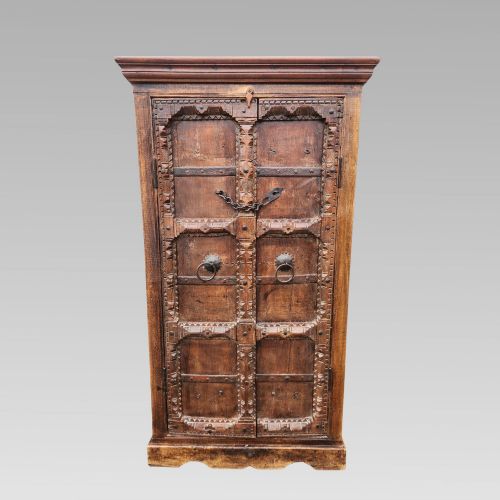
Reclaimed door hardware covers the functional metalwork and fittings salvaged from period properties, spanning the Regency, Victorian, Edwardian, and 1900 eras. These items include door handles, knobs, finger plates, hinges, pulls, and occasionally larger storage furniture constructed from reclaimed timber.
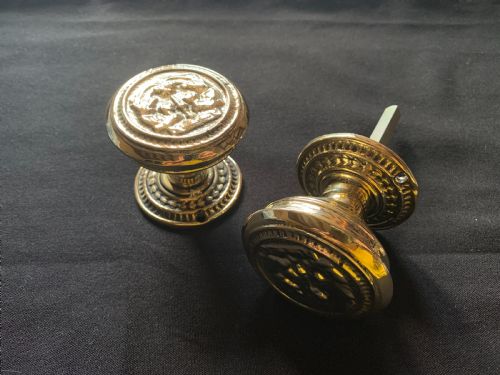
The version most commonly met on this page is the brass Victorian door knob, alongside pairs of hinges, cast bronze handles, and nickel or ceramic fittings. Pieces draw on traditional Indian, Arts and Crafts, Classical Revival, and Art Nouveau styles to suit diverse interior restoration projects.
How they were made
Makers utilised durable base metals including brass, cast bronze, iron, copper alloy, and nickel, often pairing metal elements with ceramic inserts or ebony wood. Hinges and handles frequently feature cast decorative details such as acorn or urn finials.
Storage items combine iron hardware with reclaimed teak wood, reflecting the robust construction methods of the nineteenth and early twentieth centuries. These materials ensure that salvaged fittings retain their structural integrity through decades of daily use.
Reclaimed Door Hardware Retail Price Guide 2026
Typical asking prices for reclaimed door hardware among the pieces listed under this phrase on Sellingantiques today, from the lower quarter to the upper quarter. They describe what is for sale here now, not the wider market.
Listings span multiple eras from the Regency period to the 1900s, utilising brass, bronze, iron, nickel, ceramic, teak, and ebony wood.
What varies in quality
Quality rests in the weight of the metal casting and the crispness of the decorative detail on handles, plates, and finials. Superior examples display substantial heft in brass or bronze and retain matching sets of components.
Finishes and patinas differ according to age and material, with genuine period wear adding depth to nickel, black china, and polished alloys. Complete matched pairs and sets indicate higher original manufacture and careful salvage.
The Reclaimed Door Hardware Glossary
- Finial
- A decorative terminal ornament attached to the end of a hinge or furniture piece, often shaped as an acorn or an urn.
- Finger plate
- A protective metal plate mounted on a door beside the handle to prevent fingerprints and wear on the wood surface.
- Cast bronze
- An alloy formed by pouring molten bronze into a mould, allowing for intricate surface decoration and high durability.
- Door pull
- A handle designed to be grasped to pull a door open, distinct from a rotating latch knob.
Reclaimed Door Hardware: Frequently Asked Questions
How do I match old hardware?
Examine the period style, metal composition, and screw hole placements of your existing fittings. Comparing finishes like brass, bronze, or nickel helps maintain visual consistency across a room.
Measuring spindle sizes and backplates ensures that replacement handles or hinges fit existing mortices and door preparations without requiring extensive modification.
Can I use these on modern doors?
Many reclaimed items fit standard modern internal doors with minor adjustments to spindles and latches. Checking the backset and thickness of your door ensures proper alignment.
Some older mechanisms require specific spindle dimensions or surface mounting, so assessing the technical requirements before installation prevents fitting issues.
How do I clean antique brass?
Warm soapy water and a soft cloth remove surface dirt without harming the historic patina. Avoid abrasive chemicals that strip the aged surface character.
Gentle cleaning preserves the natural darkening and tactile qualities that distinguish genuine reclaimed metalwork from modern reproductions.
What periods do these pieces span?
The selection covers items from the Regency era through the Victorian and Edwardian periods, extending into the early twentieth century. Each era brings distinct decorative movements such as Art Nouveau and Arts and Crafts.
Design details, material choices, and casting techniques shift across these decades, reflecting changing architectural fashions and manufacturing capabilities.