





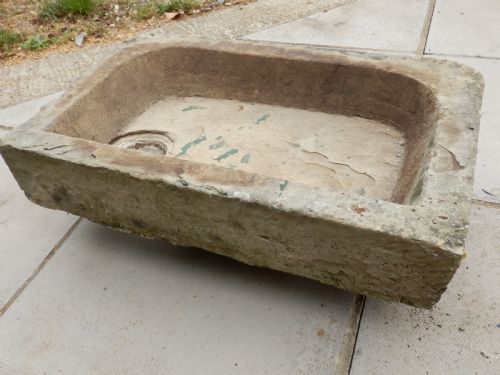

Reclaimed Architectural Stone
Reclaimed architectural stone brings the heavy substance of centuries past into modern gardens and interiors through salvaged fragments, staddle stones, and structural masonry.
Reclaimed Architectural Stone
Reclaimed architectural stone encompasses salvage pieces pulled from older buildings, chapels, and historic sites. When buyers search for reclaimed architectural stone, they encounter items shaped by centuries of weather and utility.
The objects span practical masonry and decorative salvage, including staddle stones, limestone mill stones, and granite press bases. Pieces range from Victorian pillar caps to pre-16th century Gothic pinnacles.
Form and origin vary widely across the selection, featuring Yorkshire limestone, Cornish granite, and red sandstone. Many pieces carry explicit provenance, such as fragments from civic buildings or chapels.
How they were made
Stonemasons shaped these pieces by hand using traditional chisels and quarrying tools suited to sandstone, limestone, and granite. Natural patinas accumulated over decades or centuries through exposure to moss, lichen, and the elements.
Structural elements like keystones, pilasters, and column fragments required precise geometric cutting to bear weight in historic buildings. Utility items such as grindstones and mill stones were ground and dressed for heavy industrial and agricultural labour.
Reclaimed Architectural Stone Retail Price Guide 2026
Typical asking prices for reclaimed architectural stone among the pieces listed under this phrase on Sellingantiques today, from the lower quarter to the upper quarter. They describe what is for sale here now, not the wider market.
One listed planter carries stone directly salvaged from the Houses of Parliament after damage sustained during the Blitz in World War Two.
What varies in quality
Quality rests in the integrity of the surviving material and the distinctness of the original hand-carving. Pieces retaining clear tool marks, legible dates, or documented architectural provenance command greater interest than plain utility blocks.
Weathering patterns also dictate character, where organic coverage like established moss and lichen enhances the visual depth of sandstone and limestone. The original structural scale and intact geometry determine how effectively a piece translates to a garden or interior scheme.
The Reclaimed Architectural Stone Glossary
- Staddle stone
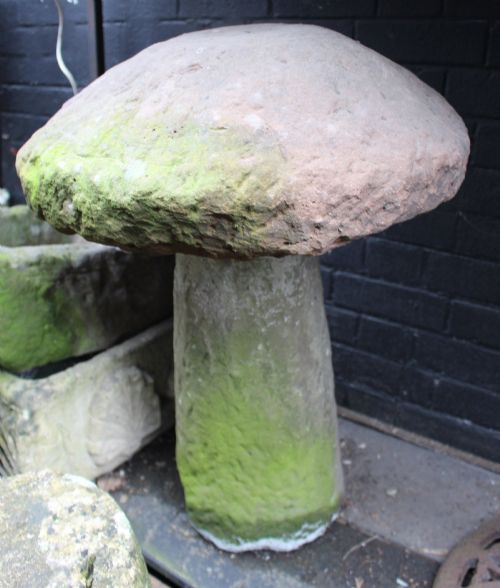
- A mushroom-shaped stone support originally used to elevate granaries and grain ricks off the damp ground. These stones feature a distinct cap and base arrangement.
- Keystone
- The central wedge-shaped stone at the apex of an arch that locks the other pieces in place. They frequently display carved dates or initials.
- Pinnacle
- A relatively small architectural ornament that tapers to a point, commonly seen in Gothic Revival design. These served both decorative and weight-distribution purposes on historic structures.
- Grindstone
- A rotating stone disc used for grinding or sharpening tools and grain. These heavy circular objects bear deep central arris holes from their machinery mounts.
- Pillar cap
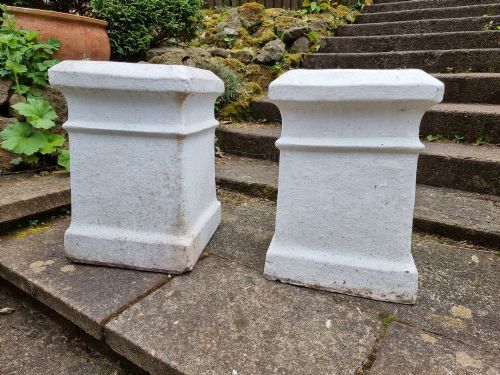
- A protective stone slab placed on top of a gatepost or pier to shed rainwater. They often display period mouldings characteristic of Victorian masonry.
Reclaimed Architectural Stone: Frequently Asked Questions
What is a staddle stone?
A staddle stone is a traditional agricultural support formed of a base and a rounded cap. They kept stored grain dry and safe from vermin.
Today these pieces serve as striking garden pedestals and landscape ornaments.
How do I date old stone?
Dating relies on tool marks, architectural style, and any inscribed dates or documented building origins. Victorian and Georgian pieces show machine or refined hand chiselling.
Earlier pre-16th century fragments display coarser hand-working techniques and distinct weathering characteristics.
Can these stones stay outside?
Sandstone, granite, and limestone naturally withstand outdoor weather conditions for centuries. Frost resistance depends on the density of the specific stone type.
Established moss and lichen thrive in exterior settings without harming the material.
How heavy are these pieces?
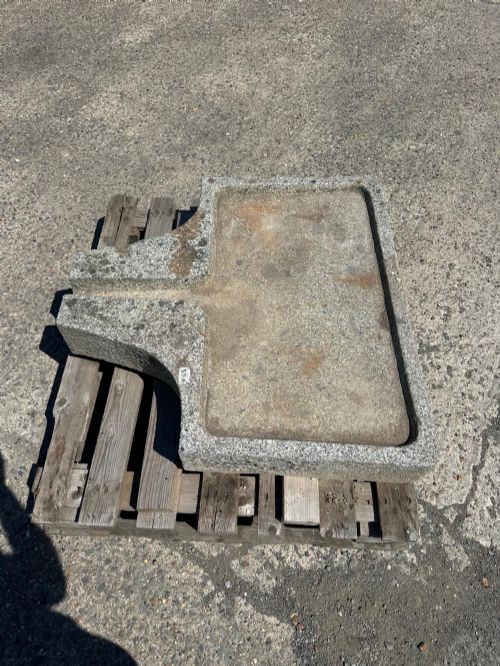
Architectural stone items are exceptionally dense and heavy, often requiring mechanical lifting equipment for placement. Granite press bases and mill stones weigh many hundreds of kilograms.
Lighter fragments like wall shelves and console brackets can be mounted with appropriate structural fixings.