


Carved Architectural Relief
Carved architectural relief brings historic depth to interiors through panels, plaques, and pediments salvaged from buildings.
Carved Architectural Relief
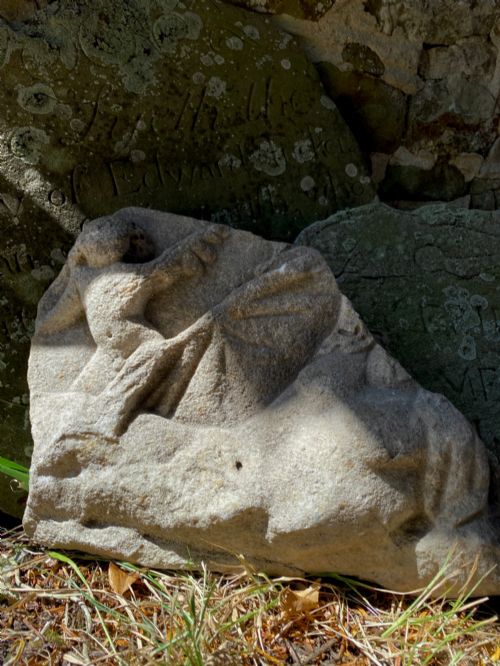
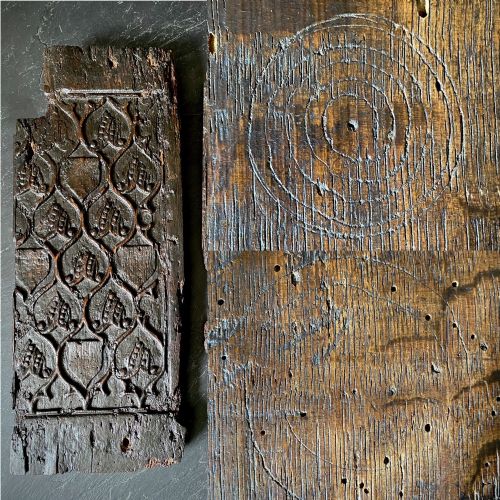
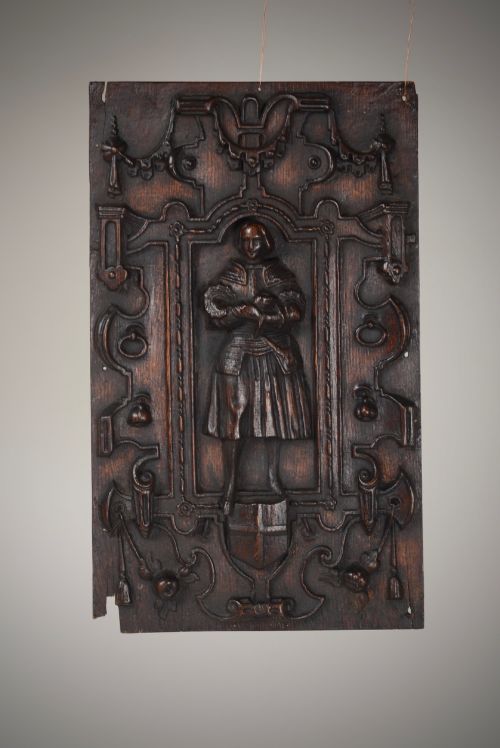
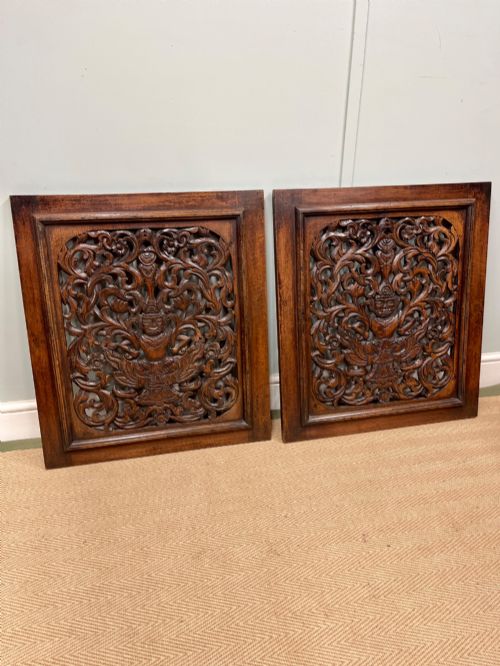
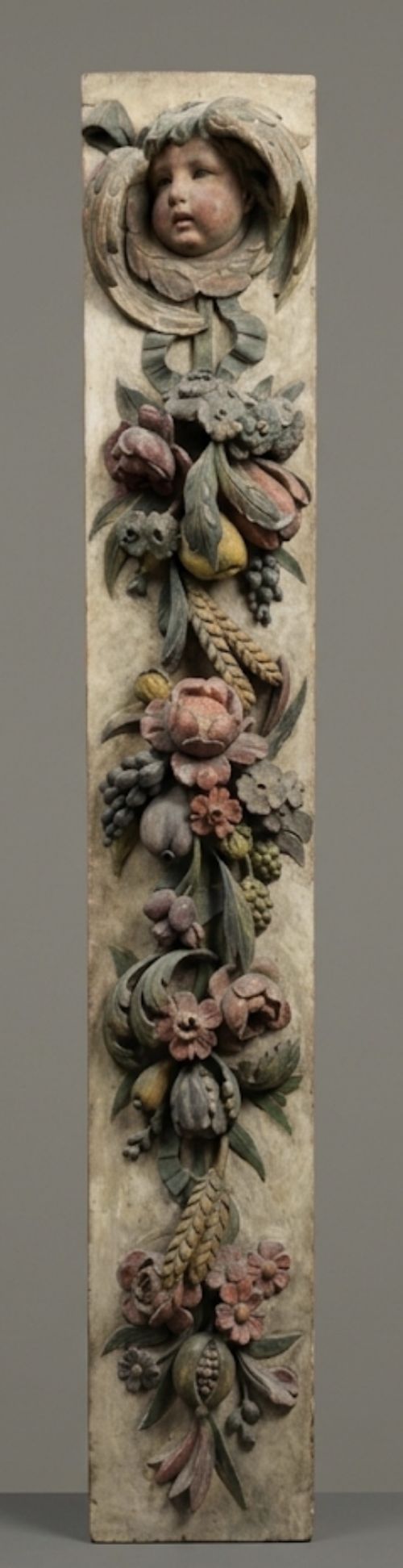
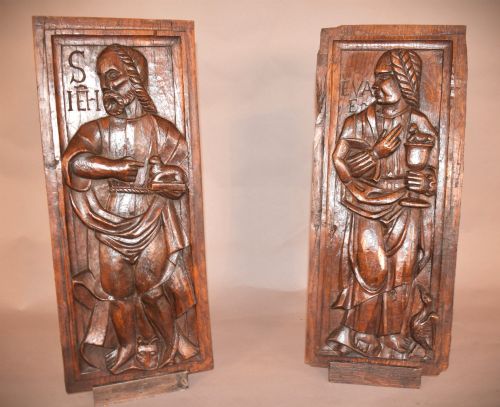
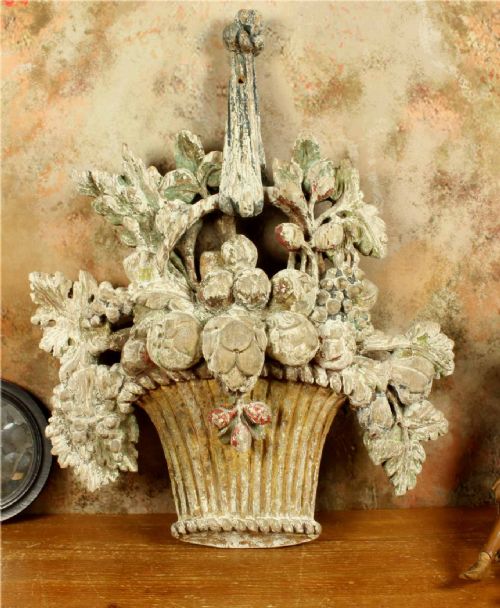
When you search for carved architectural relief, you encounter timber elements rescued from period buildings, churches, and grand houses. These objects take the form of wall panels, friezes, ceiling bosses, and pediments originating from European and Asian workshops.
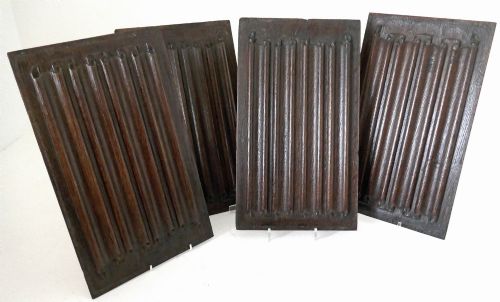
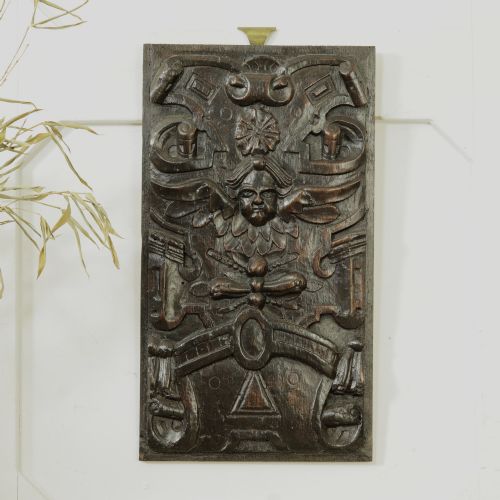
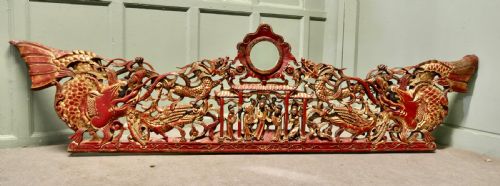
The selections span multiple centuries, ranging from sixteenth-century oak linenfold panels and seventeenth-century Baroque carvings to eighteenth-century gilt pediments and nineteenth-century Chinese temple plaques. Oak and walnut dominate the European examples, while limewood, pine, and exotic timbers appear in decorative wall sculptures.
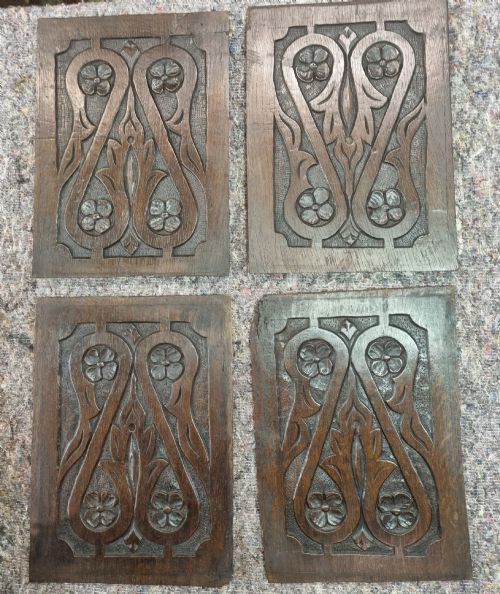
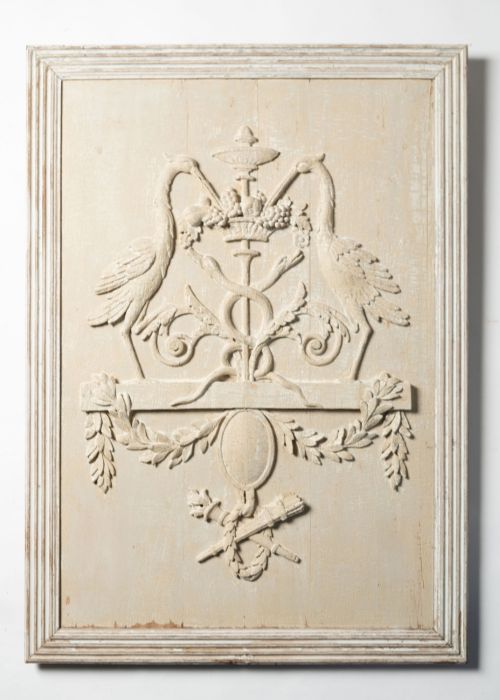
Buyers most frequently meet wooden panels and plaques configured for modern wall hanging. These pieces function as standalone artworks or architectural salvage incorporated directly into interior schemes.
How they were made
Carvers shaped these architectural elements using hand chisels and gouges on solid timber boards, employing techniques such as high relief, pierced carving, and linenfold folding. Master craftsmen worked primarily in oak, walnut, and limewood, cutting deep undercuts to create dramatic shadow play across figures, foliage, and acanthus leaves.
Surfaces often received decorative treatments including gesso preparation, polychrome paint, gold leaf gilding, and clear lacquer. Parcel gilt accents highlighted specific carved details against painted or dark wood backgrounds.
Joinery techniques matched the period of origin, utilising pegged mortise and tenon frames for larger over-door panels and ceiling roses. Structural backing often consists of secondary timber planks secured with traditional hand-cut nails.
Carved Architectural Relief Retail Price Guide 2026
Typical asking prices for carved architectural relief among the pieces listed under this phrase on Sellingantiques today, from the lower quarter to the upper quarter. They describe what is for sale here now, not the wider market.
Object types include wall plaques, temple pediments, ceiling roses, staircase panels, and framed figural sculptures from European and Asian traditions.
What varies in quality
The integrity of the original timber surface dictates quality just as much as the carving itself. Surviving seventeenth-century oak retains a rich, dry patination, whereas over-restored examples suffer from stripped timber or heavy modern coatings that obscure tool marks.
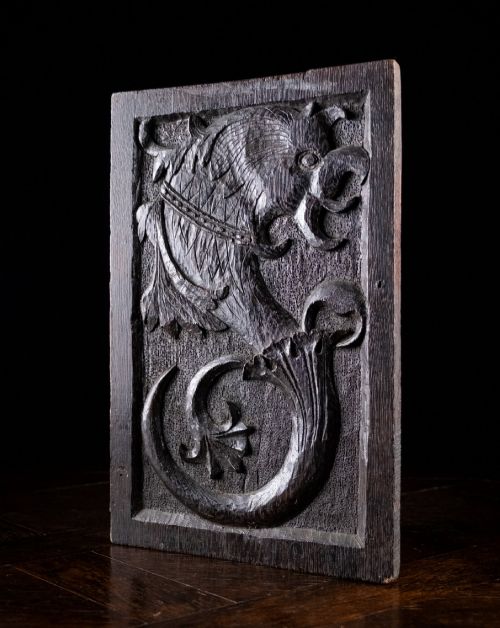
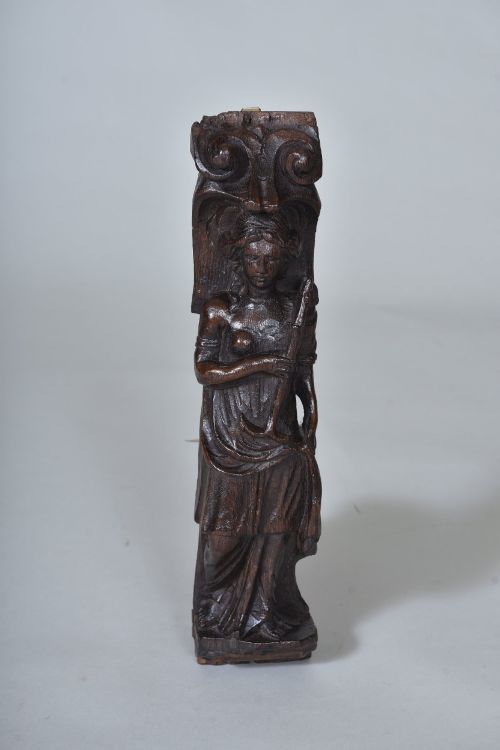
The complexity of the composition distinguishes standard decorative panels from exceptional architectural salvage. Integrated iconography, such as heraldic armorial plaques or allegorical figures, points to bespoke commissions for important interiors rather than generic production.
Thomas Chippendale·Edward Pearce
The Carved Architectural Relief Glossary
- Linenfold
- A style of relief carving imitating folded linen cloth, common on sixteenth-century panels. This technique creates vertical parallel folds that give flat timber a draped textile appearance.
- Pediment
- A triangular or segmental architectural crowning element placed above doors, windows, or mantelpieces. These decorative wooden structures often feature central carvings or floral reliefs.
- Ceiling Boss
- A projecting block of carved wood positioned at the intersection of ceiling ribs. These circular ornaments frequently depict floral motifs or figurative sculptures.
- Chinoiserie
- European artistic styles reflecting Chinese motifs and decorative techniques, popular during the eighteenth and nineteenth centuries. These works utilise intricate fretwork and relief carving.
- Boiserie
- French decorative interior wood panelling carved in relief. These large wall systems often incorporate painted finishes and symmetrical scrollwork.
Carved Architectural Relief: Frequently Asked Questions
How were architectural reliefs originally used?
These carvings served structural and decorative roles in historic buildings, functioning as over-door panels, staircase elements, friezes, and ceiling ornaments. They marked social status and added grandeur to public and private spaces.
Over time, many of these elements were salvaged from demolished structures, transforming functional building parts into portable works of art for interior display.
How do I hang a heavy wooden panel safely?
Large timber panels and pediments require secure wall fixings suited to the weight of solid oak or walnut. Professional installers typically use heavy-duty steel battens or French cleats screwed directly into wall studs.
Ensuring the mounting hardware engages the structural timber frame of the panel itself prevents any strain on old joinery or fragile decorative carvings.
How do I tell sixteenth-century oak from later copies?
Early sixteenth-century oak exhibits distinct hand-tool marks, heavy medullary rays within the timber grain, and shrinkage cracks consistent with centuries of ageing. Pegged joints and dark, dry patination further distinguish genuine period panels.
Later copies often display uniform machine milling, lighter timber weights, and artificial ageing techniques that fail to replicate natural historical wear.
How do I clean and maintain carved wooden panels?
Routine maintenance requires only gentle dusting with a soft, dry brush to prevent dirt accumulation within deep relief crevices. Avoid using wet cloths, harsh detergents, or modern furniture polishes on historic timber.
Keeping pieces away from direct sunlight and extreme humidity fluctuations protects the wood from splitting and preserves fragile gesso or gilt surfaces.