




Realistic Bronze Sculpture
A realistic bronze sculpture brings nature and human form into a room with striking fidelity, shaped from metal during the nineteenth and early twentieth centuries.
Realistic Bronze Sculpture
When you search for realistic bronze sculpture, you encounter figures and groups cast across several decades spanning the late nineteenth century into the 1920s. These works encompass human busts, wildlife subjects, and intricate animalier studies produced in European and Japanese workshops.
You are most likely to meet animalier groups, life-size representations, and orientalist okimono pieces on this page. The forms range from small-scale spiders and pheasants to large elephant groups and human portraits.
The aesthetic bridges the nineteenth-century realist tradition, Art Nouveau, and Art Deco movements alongside Meiji period Japanese metalwork. Each piece captures specific anatomical detail and movement from its respective era.
Materials and construction
These works utilise bronze as the primary medium, often finished with a dark patina or enhanced through cold painting techniques. The metallic structure provides durability while capturing minute textures of fur, skin, and fabric.
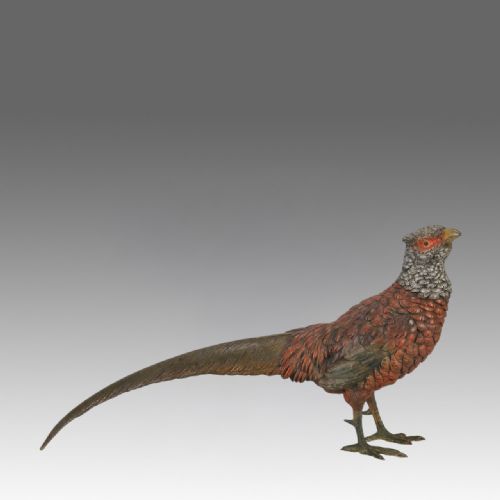
Certain figures incorporate mixed materials such as wood, bone, and timber to form mounts or complementary structural elements. Paint surfaces applied over the bronze create realistic coloration on avian subjects.
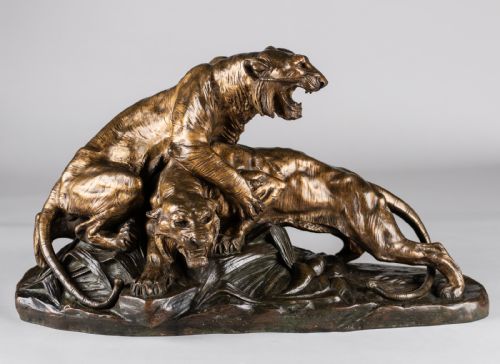
The casting methods of the nineteenth and early twentieth centuries allowed workshops to render complex multi-figure groups like tigers and elephants with high precision.
Realistic Bronze Sculpture Retail Price Guide 2026
Typical asking prices for realistic bronze sculpture among the pieces listed under this phrase on Sellingantiques today, from the lower quarter to the upper quarter. They describe what is for sale here now, not the wider market.
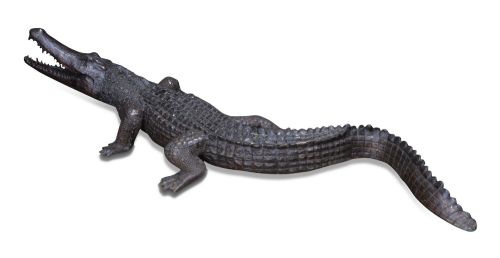
Among the bronze fauna are spiders and crocodiles waiting quietly beside golden pheasants.
Assessing quality and execution
Quality rests in the precision of the casting and the sensitivity of the finishing work across the bronze surface. Superior examples display crisp anatomical rendering and sophisticated patination that accentuate the musculature or plumage.
The distinction between standard commercial output and exceptional studio work lies in the hand-chased detail and the fidelity to the natural subject. Master founders achieved depth in fur and expression that lesser castings miss.
Franz Bergman·E Drouot
The Realistic Bronze Sculpture Glossary
- Bronze
- An alloy of copper and tin traditionally used for casting durable sculptures. It takes patination and fine detail exceptionally well.
- Patina
- The surface coloration or sheen developed naturally over time or applied chemically by the artist. It protects the metal and defines the visual tone.
- Cold painted
- A method where pigment is applied to a bronze object without high-temperature firing. This technique creates vibrant bird and animal plumage.
- Animalier
- A nineteenth-century artistic style focusing on realistic depictions of animals. Practitioners specialised in observing wild beasts in motion.
- Okimono
- A Japanese decorative figurine designed for display on a shelf or tokonoma. These pieces often depict spiders, elephants, and everyday subjects with precision.
Realistic Bronze Sculpture: Frequently Asked Questions
What is a realistic bronze sculpture?
These works are metal casts created during the nineteenth and early twentieth centuries to mirror human and animal forms accurately. They include wildlife groups, human busts, and decorative Japanese okimono.
Artists utilised traditional foundry methods and patination to capture realistic textures in bronze, wood, and bone.
How were these sculptures used?
Period interiors featured these pieces as decorative table centrepieces, cabinet displays, and focal points in studies or drawing rooms. They served as expressions of refined taste and natural history interest.
Larger scaled groups and busts stood upon timber bases or dedicated pedestals within domestic spaces.
How do I live with bronze sculptures?
Place them on stable wooden surfaces away from direct moisture and extreme temperature fluctuations to protect the metal and patina. Regular dusting with a dry cloth keeps the surface clean without harming the finish.
Positioning them where light catches the contours enhances the fine detail of the casting.
How do I tell periods apart?
Nineteenth-century works often reflect classical realism or French animalier traditions with rich patinas and human allegories. Pieces from the 1900s to the 1920s introduce Art Nouveau curves, Art Deco styling, and Austrian cold-painted coloration.
Meiji period Japanese works display distinct orientalist okimono techniques applied to spiders and elephants.