
Reading Lounge Chairs
Reading lounge chairs are substantial, upholstered seats designed for long hours of comfortable sitting with a book, spanning styles from Regency to Art Deco.
Reading Lounge Chairs
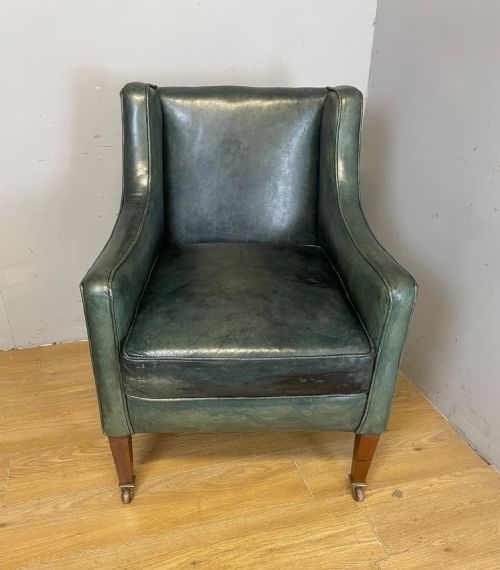
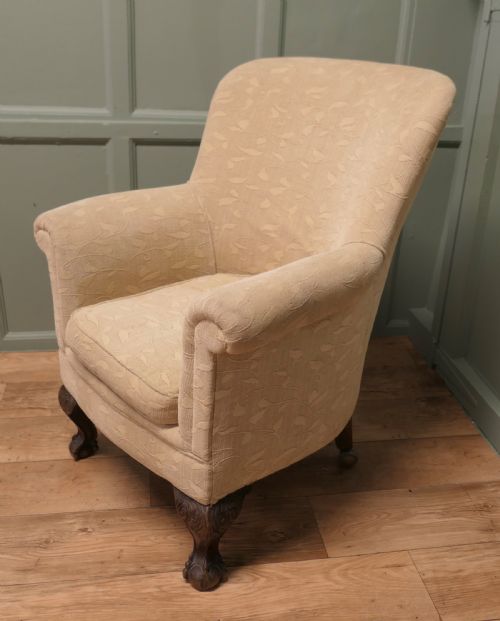
Reading lounge chairs encompass a variety of deep-seated armchairs, library chairs, and wingbacks intended for sustained comfort. When searching for reading lounge chairs, buyers encounter pieces originating from the nineteenth century through to the 1930s, reflecting periods such as the Victorian, Edwardian, and Regency eras.
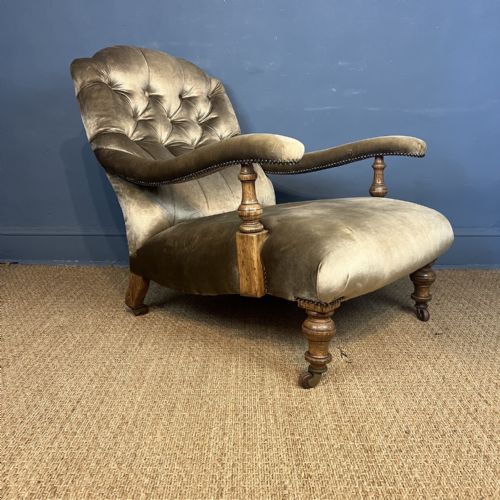
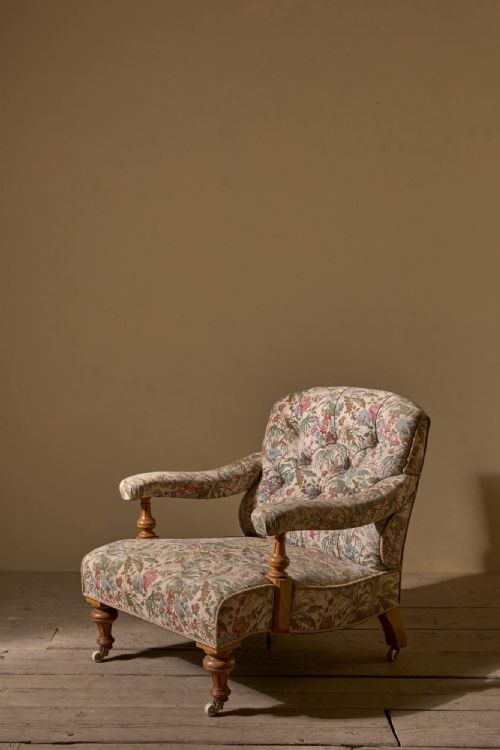
The selection ranges from robust oak open armchairs and mahogany library chairs to plush velvet club chairs and Howard and Sons style armchairs. English country house and French Renaissance revival examples also appear, offering varied aesthetic forms for domestic spaces.
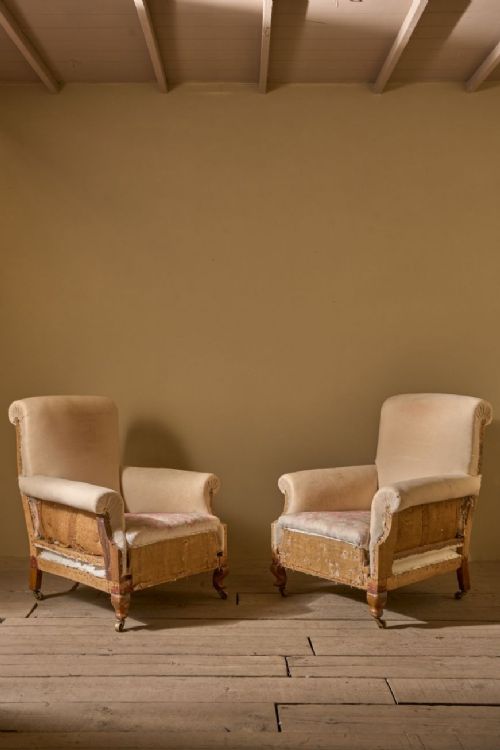
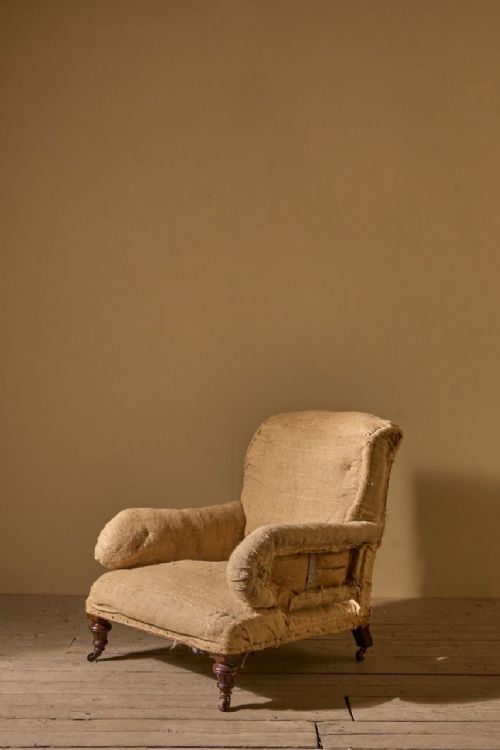
Most pieces date from the nineteenth and early twentieth centuries, constructed with generous proportions to accommodate relaxed seating postures. Upholstery materials span from original calico and hessian to modern fabric updates like plaid wool and suede.
Materials and Construction
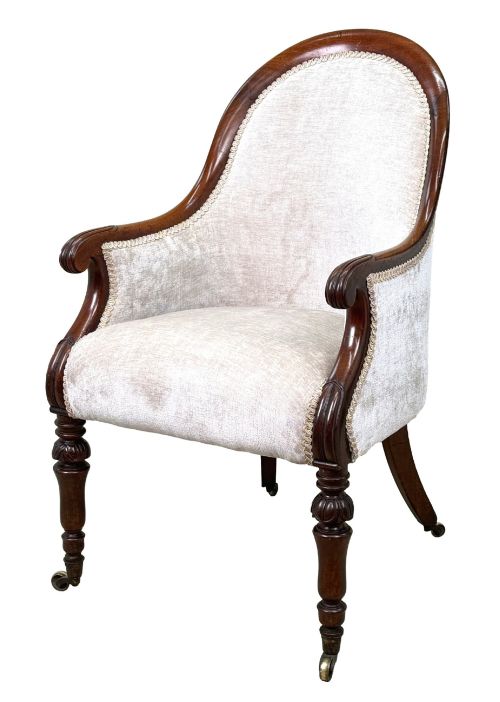
Makers utilised solid timbers such as mahogany, walnut, oak, and rosewood for the structural frames of reading lounge chairs. These hardwoods provided the necessary strength and durability for heavy, frequent use in libraries and drawing rooms.
Traditional upholstery techniques involved internal stuffing supported by materials like brass tacks, webbing, and feather fillings for deep cushioning. Outer coverings varied from supple leather and calf suede to rich velvet, calico, and hessian.
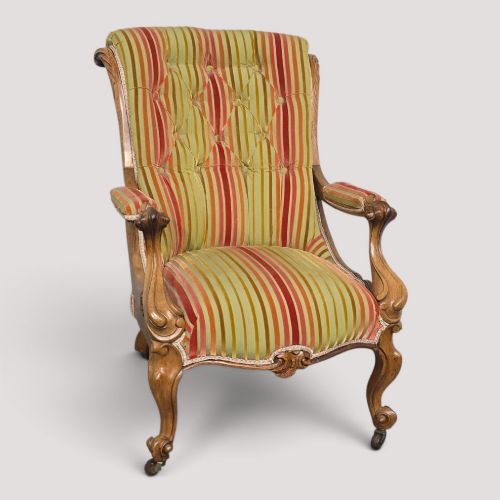
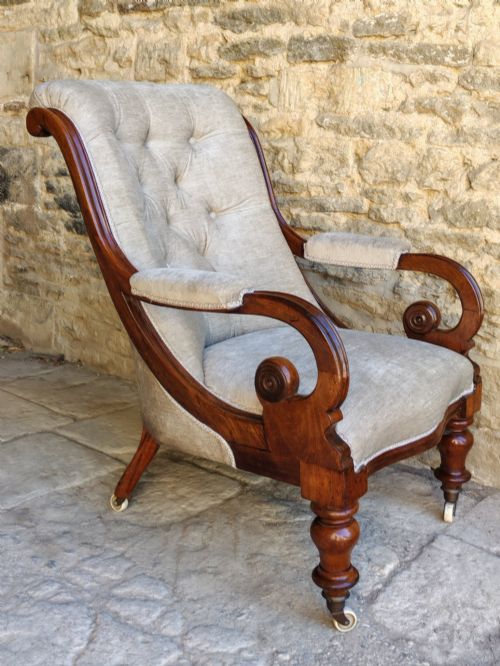
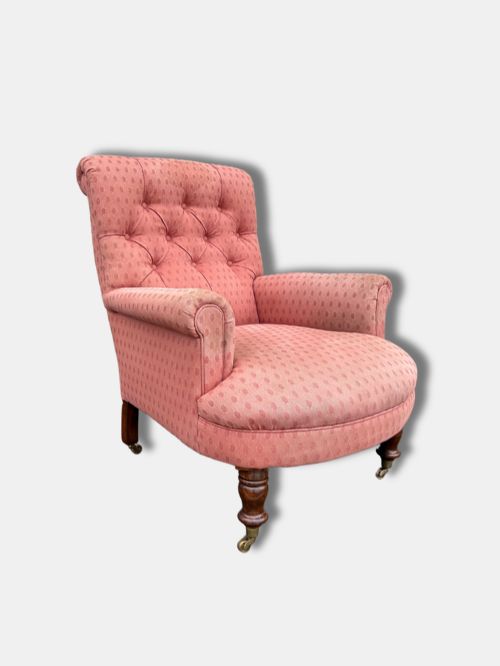
Decorative elements included carved details, inlaid woodwork, and button-backed cushioning, particularly seen in Victorian and Edwardian iterations. Bergere panels of woven cane also feature on specific wooden-framed armchairs from the early twentieth century.
Listings include sturdy oak and walnut frames alongside plush velvet, leather, and calico upholstery from the Victorian and Edwardian periods.
Evaluating Quality in Construction and Materials
Quality rests primarily on the integrity of the timber frame and the depth of the original joinery. Heavier hardwoods like mahogany and walnut indicate a superior foundation compared to lighter, less durable alternatives.
The standard of upholstery materials and internal stuffing dictates the longevity and comfort of the seat. Feather fillings and dense interior padding maintain their support far better over decades of use than cheaper, rigid fillings.
Howard and Sons·George Jack For Morris and Co·Gillows·Holland and Sons·Hindley and Sons
The Reading Lounge Chairs Glossary
- Wingback
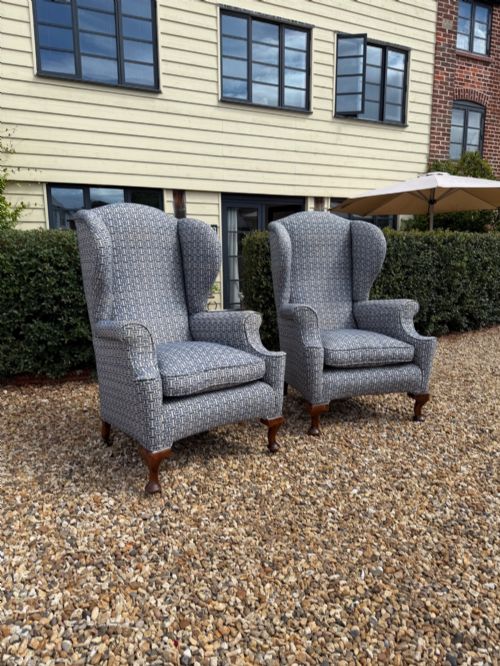
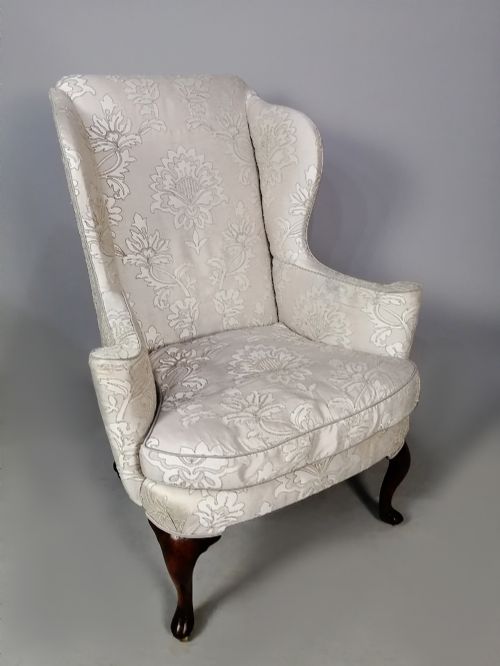
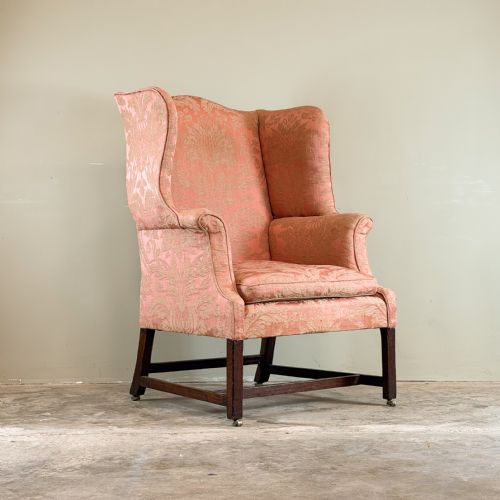
- An armchair with high back and flanking side panels designed to shield the sitter from drafts. These panels historically trapped heat from a fireplace.
- Library Chair
- A sturdy armchair designed specifically for reading rooms, often featuring upholstered armrests and mahogany or walnut frames.
- Bergere
- An enclosed upholstered armchair with a wooden frame where the sides are frequently filled with cane work. This French style gained popularity in various British periods.
- Tub Chair
- A rounded armchair where the back and arms form a single continuous curved rail. This shape offers a compact yet enveloping seat.
- Spoon Back
- An armchair style featuring a padded backrest shaped similarly to the bowl of a spoon. It is commonly associated with Victorian walnut seating.
Reading Lounge Chairs: Frequently Asked Questions
How do I identify a Victorian reading chair?
Victorian reading chairs often feature dark hardwoods like walnut or mahogany, substantial button-backed upholstery, and deep, sprung seats designed for comfort.
Look for stylistic cues such as spoon backs or heavy carved wooden frames that distinguish them from later twentieth-century designs.
What is a Howard and Sons style armchair?
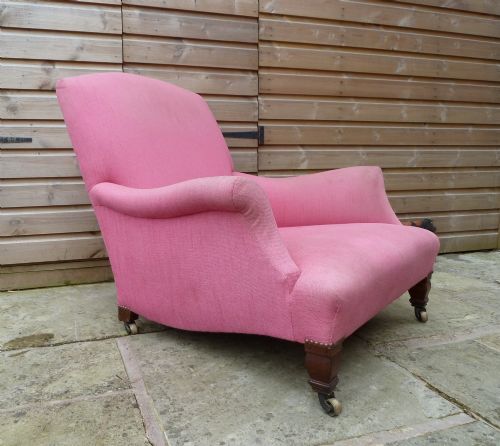
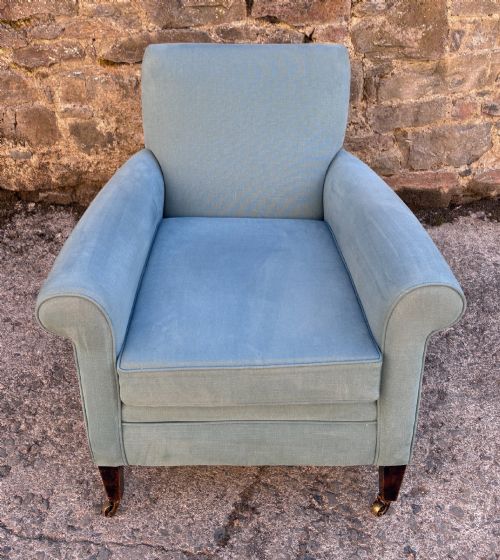
Howard and Sons style armchairs are deep-seated, exceptionally comfortable upholstered chairs known for their low profile and turned wooden legs with brass castors.
They represent a pinnacle of nineteenth-century English domestic upholstery design and craftsmanship.
Where should I place a wingback chair?
Wingback chairs suit corners of living rooms, studies, or beside bookshelves where their high backs create a private reading nook. Their enclosed sides help block ambient noise and drafts.
They also pair well near a fireplace, following their traditional historical placement.
How do I care for leather club chairs?
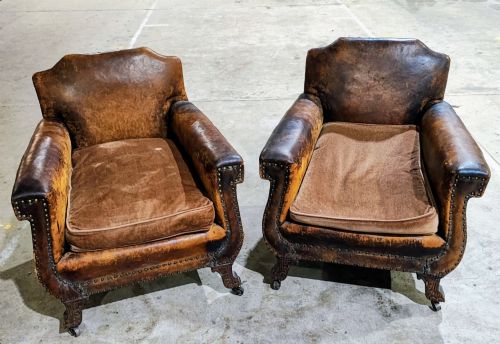
Leather club chairs require regular dusting with a soft, dry cloth and occasional treatment with suitable leather conditioners to prevent drying and cracking. Keeping them away from direct sunlight preserves the natural tone of the hide.
Gentle maintenance ensures the leather develops a desirable patina over time.