


Queen Anne Style Low Table
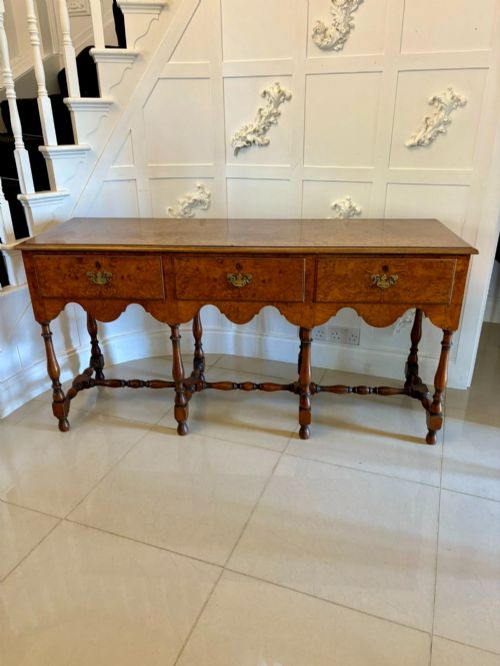
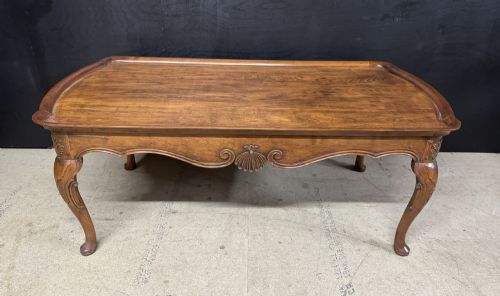
These pieces sold as queen anne style low table span revival periods and the nineteenth century, bringing distinct walnut figures to domestic rooms.
Queen Anne Style Low Table
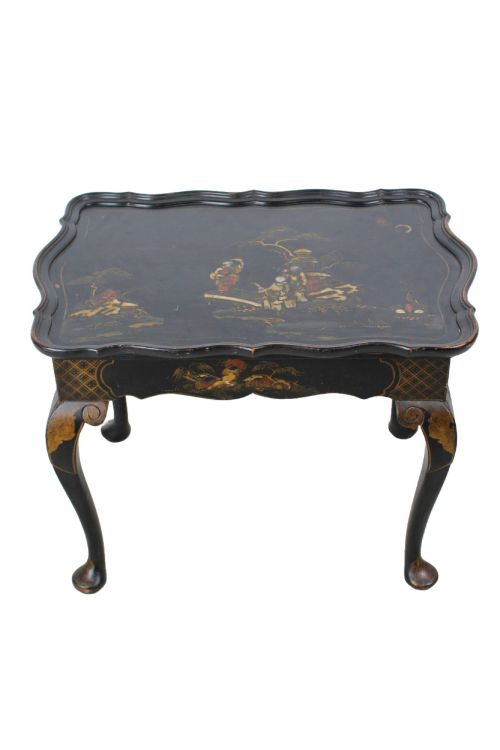
When you search for queen anne style low table, you encounter coffee tables, occasional tables, and low boy side tables originating from the early twentieth century, the Edwardian era, and the nineteenth century. These forms draw on Queen Anne revival designs, featuring characteristic cabriole legs and dark timber surfaces.
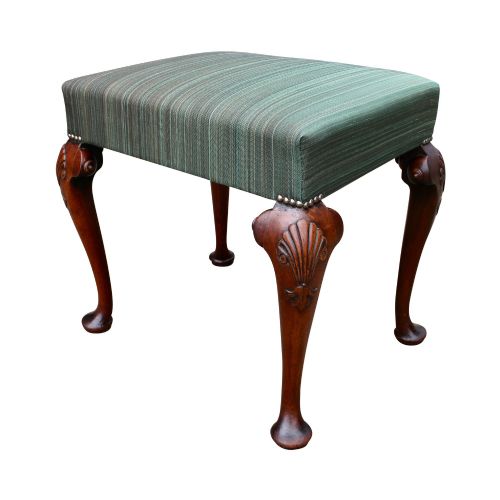
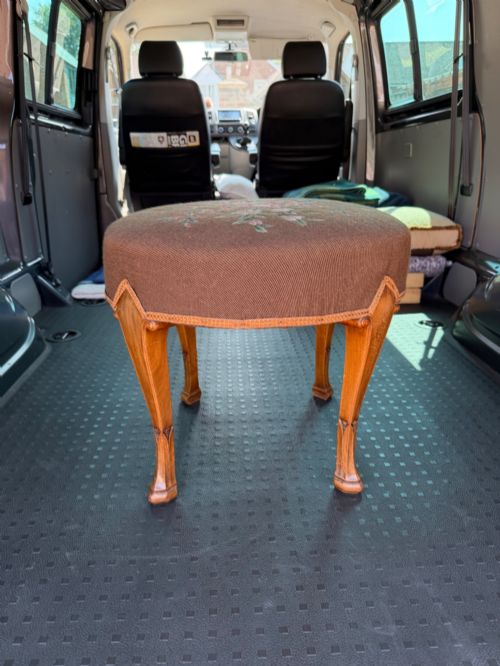
Stools and dressing stools frequently appear alongside these tables, often upholstered in textile, fabric, tapestry, or wool needlepoint. Alongside these seating pieces, the selection includes larger sideboards, dressers, and bookcases built from similar woods.
Judging the execution
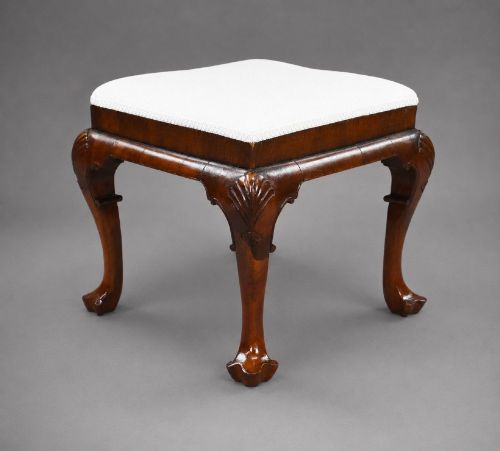
The choice of timber figure separates standard pieces from finer examples, particularly in the selection of burr and figured walnut veneers. Rich grain patterns and careful matching across table tops indicate higher workshop standards during production.
The crispness of carved details on the legs and frames distinguishes better pieces. Subtlety in the shaping of cabriole supports and the neatness of upholstery work on stools reflect the skill invested by the maker.
Some stools hide needlepoint tops worked by hands long forgotten, waiting for quiet rooms.
Hille of London
The Queen Anne Style Low Table Glossary
- Cabriole leg
- A furniture leg that curves out and then narrows inward, typical of Queen Anne design. This shape echoes animal limbs and terminates in pad or claw feet.
- Burr walnut
- A prized timber cut from walnut tree growths, showing swirling, intricate grain patterns. It is frequently applied as a veneer on tabletops and cabinet fronts.
- Low boy
- A small table with drawers, standing on relatively tall legs, often used as a side table or dressing table. The form dates back to earlier centuries but reappears in revival furniture.
- Pie crust edge
- A raised, scalloped moulding carved around the rim of a circular tabletop. This decorative detail resembles the crust of a pie.
Queen Anne Style Low Table: Frequently Asked Questions
What defines a queen anne style low table?
These tables typically feature curved cabriole legs and walnut surfaces, drawing inspiration from early eighteenth-century aesthetics. Most examples encountered date from revival periods in the nineteenth and early twentieth centuries.
They serve as functional coffee tables or occasional surfaces in modern rooms, combining historic silhouettes with domestic utility.
How do I care for walnut veneer surfaces?
Keep walnut furniture away from direct sunlight and heat sources to prevent the timber and veneer from drying out. Regular dusting with a soft, dry cloth preserves the polished finish.
Avoid using silicone-based polishes or excessive moisture, which can damage historic wooden surfaces over time.
Are stools and low tables from the same period?
Stools and tables often share revival styles, employing matching walnut frames and similar leg designs. Many were produced during the Edwardian era and the 1920s.
Upholstered pieces frequently retain textile, fabric, or wool needlepoint tops that complement the wood tones of nearby tables.
How can I tell Edwardian pieces from nineteenth-century ones?
Edwardian items often display lighter construction and specific revival characteristics like Chinoiserie decoration or burr walnut veneers. Nineteenth-century pieces may show heavier solid timber construction.
Examining the underside, secondary woods, and construction joints helps clarify the likely age of the piece.